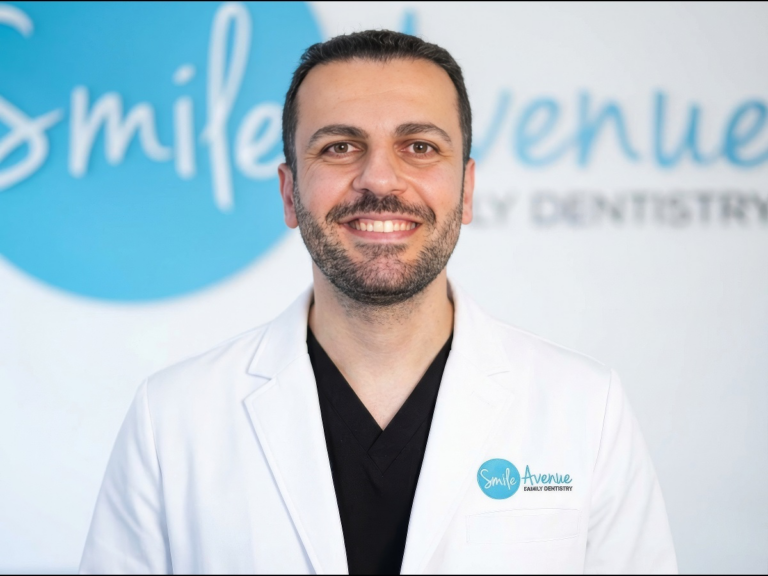
How to Overcome Dental Anxiety: 10 Proven Tips from Dentists
TL;DR — Quick Summary
Dental anxiety is extremely common and nothing to be ashamed of. Effective strategies include: choosing a compassionate dentist, communicating your fears openly, using breathing techniques, wearing headphones during treatment, starting with a simple cleaning, and exploring sedation options like nitrous oxide or IV sedation. The key is finding a practice that takes your anxiety seriously.
You’re Not Alone: Understanding Dental Anxiety
If the thought of sitting in a dental chair makes your heart race, you’re far from alone. Research shows that approximately 36% of adults experience dental anxiety, and 12% suffer from extreme dental fear that qualifies as a phobia.
The consequences are real: people with dental anxiety are more likely to skip preventive appointments, develop serious oral health problems, and end up needing more complex (and anxiety-inducing) treatments. It’s a vicious cycle — but one you can break.
10 Proven Strategies to Manage Dental Fear
1. Choose Your Dentist Carefully
Not all dental practices are created equal when it comes to anxious patients. Look for a practice that specifically mentions anxiety-friendly care, offers sedation options, and has reviews from other anxious patients who felt comfortable there.
At Smile Avenue, our team is trained in anxiety management techniques, and we never rush or judge patients who are nervous.
2. Communicate Your Fears — Before You Arrive
Call the office before your appointment and let them know about your anxiety. Good dental teams will note this in your chart and adjust their approach. Be specific about what triggers your fear: is it needles? The drill sound? Feeling out of control?
3. Establish a “Stop” Signal
Agree on a hand signal (like raising your left hand) that means “I need a break.” Knowing you have control over stopping the procedure at any time significantly reduces anxiety for most patients.
4. Practice Breathing Techniques
The 4-7-8 breathing method works well in the dental chair:
- Breathe in through your nose for 4 seconds
- Hold for 7 seconds
- Exhale slowly through your mouth for 8 seconds
- Repeat 3–4 times
This activates your parasympathetic nervous system and physically calms your body.
5. Bring Headphones and a Playlist
Music or podcasts can drown out the sounds that trigger anxiety. Noise-canceling headphones are even better. Choose something familiar and calming — this isn’t the time for an intense true-crime podcast.
6. Start Small
If you’ve been avoiding the dentist for years, don’t jump straight into complex treatment. Start with a simple consultation — just talking to the dentist and getting an exam. Then progress to a basic cleaning. Building positive experiences gradually rewires your brain’s association with dental visits.
7. Schedule Strategically
Book the first appointment of the day. You’ll have less time to build up anxiety in the waiting room, and the office will be calm and unhurried. Avoid scheduling after stressful work events.
8. Bring a Support Person
Having a trusted friend or family member in the room can provide comfort. Most dental practices welcome a companion during treatment.
9. Use Visualization
Before and during your appointment, visualize yourself somewhere calming — a beach, a forest, your couch at home. Detailed mental imagery activates the same relaxation response as actually being there.
10. Consider Professional Sedation
For moderate to severe anxiety, sedation dentistry offers medical solutions:
Nitrous oxide (laughing gas): Inhaled through a nasal mask, it creates a calm, slightly euphoric feeling. You remain conscious and responsive. Effects wear off in 5 minutes — you can drive yourself home.
Oral sedation: A prescription anti-anxiety medication taken before your appointment. You’ll feel drowsy and relaxed but remain semi-conscious. You’ll need someone to drive you.
IV sedation: Medication delivered through an IV for a deeper level of relaxation. You’ll be in a twilight state — conscious but unlikely to remember the procedure. This is ideal for longer treatments or severe phobia.
Breaking the Cycle
The most important step is simply making that first appointment. Every positive dental experience chips away at the anxiety. Most patients who commit to regular visits find that their fear decreases significantly within 2–3 appointments.
You deserve to have healthy teeth without suffering through panic attacks to get there. Schedule a judgment-free consultation at Smile Avenue, and let us show you that dental care can be comfortable.