Should You Brush Your Teeth After Using Whitening Strips?
If you’ve ever stared at your bathroom mirror wondering, do i brush my teeth after whitening strips, the answer is not as simple as “yes” or “no.” The peroxide gel needs time to work on stains, and brushing too soon can increase sensitivity and even affect how evenly the whitening shows up. The good news: with the right timing and gentle technique, you can protect your enamel while still keeping your routine simple.
Do I Brush My Teeth After Whitening Strips? (Direct Answer)
Yes—brush after whitening strips, but timing matters
In most cases, dental professionals recommend waiting before brushing after you remove whitening strips. A common safe window is at least 30 minutes, and many product instructions suggest a range of 30–60 minutes depending on the formula and how sensitive your teeth feel.
Immediate brushing is discouraged because whitening gel can temporarily make enamel more vulnerable and can leave residual peroxide on the tooth surface. Brushing right away may also increase the chance of “zingers” (sharp sensitivity) by irritating pathways that become more reactive during whitening.
- Safe window: typically wait at least 30 minutes after removing strips.
- Why not immediately: sensitivity risk + enamel vulnerability during the whitening process.
- Follow the label: product instructions can override general guidance.
What to do right after you remove the strips
Right after removal, the priority is to remove residual gel without adding friction. A simple water rinse helps wash away leftover whitening solution and reduces the chance of gel contacting gums or lingering on the tooth surface.
After rinsing, it’s best to avoid brushing until the recommended buffer time passes. If discomfort starts right away, gentle rinsing is usually the safest step—scrubbing or aggressive brushing can make irritation worse.
- Rinse with water to remove residual gel.
- Avoid brushing until the 30–60 minute buffer (or label guidance) is reached.
- If you feel discomfort, prioritize gentle rinsing over brushing.
How Whitening Strips Work (Why Your Teeth Need a Buffer)
Peroxide chemistry: hydrogen peroxide vs. carbamide peroxide
Most whitening strips use peroxide-based ingredients that break down stain molecules. Depending on the product, the active ingredient may be hydrogen peroxide or carbamide peroxide (which breaks down into hydrogen peroxide and other components).
Peroxide works by penetrating tooth enamel and reaching discoloration within the outer layers of the tooth. Studies and manufacturer testing suggest that these agents can help lift both surface and deeper discoloration, but the process depends on contact time and the gel staying in place.
Different strip formulas vary in strength and duration, which is why the waiting period can differ slightly. Even when general guidance is “wait 30 minutes,” the safest approach is to follow the specific instructions provided with the strips.
- Peroxide breaks down stain molecules to reduce discoloration.
- These agents can penetrate enamel to reach discoloration within tooth structure.
- Strip strength and contact time vary, so instructions matter.
Temporary enamel “softening” and increased sensitivity
Whitening can temporarily change how enamel behaves at the microscopic level. Many dental professionals describe this as a short-lived increase in porosity or mineral vulnerability, which can make teeth feel more reactive.
When enamel is more sensitive, abrasives and friction from brushing can feel harsher. Saliva plays an important role afterward by supporting remineralization—a natural process that helps restore mineral balance and calm sensitivity over time.
For many people, sensitivity improves within a few days. However, the first 24–72 hours after whitening can be the most noticeable, especially if teeth were already prone to sensitivity.
- Whitening may temporarily increase enamel porosity and reactivity.
- That’s why abrasives and vigorous brushing can feel more irritating.
- Saliva helps remineralize and stabilize teeth after treatment.
Residual gel/peroxide on teeth and why brushing too soon can interfere
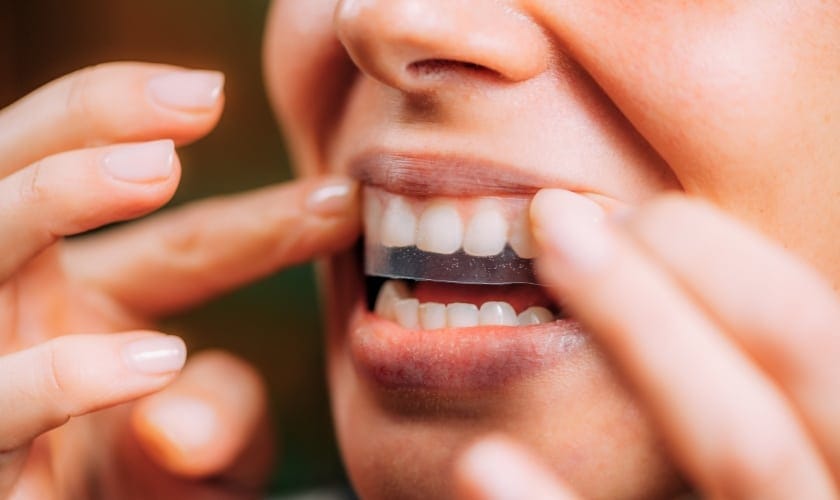
After you remove strips, some residual gel may remain on the tooth surface. Brushing immediately can physically remove that leftover gel before it finishes its intended contact time, which may reduce the consistency of whitening.
Early brushing can also contribute to uneven results. If some areas lose gel sooner than others, whitening may appear patchier—especially if strip placement was slightly off, if teeth have different stain patterns, or if brushing pressure varies.
Rinsing is a safer immediate step than brushing because it removes residue without adding friction. Once the recommended buffer time passes, gentle brushing supports overall plaque control and comfort.
- Brushing can remove leftover gel before it fully finishes working.
- Early brushing may contribute to uneven or patchy whitening.
- Rinse first—it’s the gentler way to clear residue.
What Happens If You Brush Immediately After Whitening Strips?
Increased tooth sensitivity (“zingers”) and discomfort
Brushing right after whitening strips can increase sensitivity for many people. The likely reason is that peroxide can temporarily affect tooth structure and nerve responsiveness, and brushing adds friction that may irritate sensitive dentin pathways.
Sensitivity often shows up as sharp, brief twinges—sometimes triggered by cold water, hot coffee, acidic drinks, or even air hitting exposed areas. Vigorous brushing can make these sensations more likely because it increases pressure and abrasion.
If “zingers” start, it’s usually best to pause whitening sessions and adjust your routine rather than pushing through. Your dentist may recommend a sensitivity-focused toothpaste or a different schedule if symptoms persist.
- Sharp twinges can occur due to irritated pathways after whitening.
- Triggers include cold/hot foods, acidic drinks, and vigorous brushing.
- Watch for brief “zingers,” not just general soreness.
Potential enamel wear or irritation from abrasives
Although whitening strips do not “erase” enamel in a single session, softened enamel can be more susceptible to abrasion during the whitening window. If you brush too soon—especially with a hard-bristled brush or an abrasive toothpaste—the risk of irritation increases.
Risk factors include using a hard-bristled toothbrush, brushing aggressively, or using a whitening or tartar-control toothpaste immediately after strips. Many whitening toothpastes contain higher-abrasive ingredients, which can feel rough when teeth are temporarily more vulnerable.
Waiting for the buffer time and using gentle technique typically minimizes these risks. If sensitivity is already present, switching to a sensitive-care fluoride toothpaste for a few days may help.
- Softened enamel may be more prone to irritation from abrasion.
- Hard brushes and abrasive toothpastes can worsen discomfort.
- Waiting + gentle brushing reduces risk significantly.
Gum irritation if gel touched the gum line
Whitening gel can sometimes contact the gum line, especially if strips shift during wear. Chemical irritation at the gingival margin can cause redness, tenderness, or a burning sensation.
Brushing immediately after removal can add friction to already-tender tissue. That combination—chemical irritation plus mechanical rubbing—can prolong discomfort and may increase the chance of gum bleeding in sensitive areas.
If gel touched the gums, the safest first step is usually to rinse gently with water and delay brushing until comfortable. If irritation is severe or persists beyond a day or two, dental guidance is recommended.
- Gel contact can irritate the gum line chemically.
- Immediate brushing may add friction to tender tissue.
- Rinse gently; delay brushing until gums feel calm.
The Best Time to Brush After Whitening Strips (30-Minute Rule + Variations)
The standard recommendation: wait at least 30 minutes
The most common dental guidance is to wait at least 30 minutes after removing whitening strips before brushing. Many products also recommend a similar window, often 30–60 minutes, to allow saliva to help stabilize the tooth surface.
This waiting period supports comfort and reduces the chance of sensitivity. It also gives your teeth time to re-balance mineral content naturally, which can make brushing feel less “sharp” or irritating.
Even if general advice is helpful, the product label is the final authority. If the label says to wait longer, follow it—especially if you have a history of sensitivity.
- Common window: 30–60 minutes before brushing.
- Saliva and remineralization need time to settle.
- Always follow the strip’s specific instructions.
When to wait longer (higher sensitivity or stronger formulas)
Some people need a longer buffer, particularly if they already have sensitive teeth or if they notice discomfort during whitening sessions. If sensitivity builds quickly, waiting 60 minutes (or more) before brushing can be a reasonable adjustment.
Stronger formulas or longer wear times can also increase the likelihood of sensitivity. For example, if a product uses a higher peroxide concentration or you’re whitening more frequently than recommended, your teeth may need additional recovery time between sessions.
During the whitening period, a sensitive-care routine can help. Dental professionals often suggest using a soft-bristled brush and a fluoride toothpaste for sensitive teeth temporarily.
- Wait longer if sensitivity occurs or worsens.
- Higher peroxide concentration may require a bigger buffer (e.g., 60 minutes).
- Use a sensitive-care toothpaste and soft brushing technique.
If you must clean sooner: safer alternatives than brushing
If you feel uncomfortable or want to remove gel right away, rinsing is usually the best immediate option. A plain water rinse can clear residue without the abrasiveness or friction that brushing adds.
Some people tolerate an alcohol-free mouthwash after rinsing, but it’s important to keep it gentle. Avoid harsh mouthwashes that can sting or increase sensitivity, especially during the first few hours after whitening.
The goal is simple: remove gel, don’t scrub. Once the buffer time passes, brushing gently with fluoride toothpaste supports long-term oral health and plaque control.
- Rinse with water immediately after removal.
- Optionally use an alcohol-free gentle mouthwash if tolerated.
- Avoid abrasive brushing or whitening/tartar toothpaste until the buffer time passes.
Should You Brush Before Using Whitening Strips?
Why brushing right before can backfire
Brushing immediately before applying strips can sometimes increase gum irritation, especially if brushing is aggressive or if gums are already inflamed. Peroxide contact plus mechanical irritation can make the overall experience more uncomfortable.
Another concern is that hard scrubbing can leave gums tender. If strips shift slightly during wear, tender tissue may be more likely to react to gel contact.
Dental professionals often recommend cleaning the teeth earlier rather than right at the application moment. That way, plaque and debris are reduced without adding fresh irritation to the gum line.
- Aggressive pre-brushing can irritate gums.
- Irritated gums + peroxide contact may increase discomfort.
- Avoid hard scrubbing immediately before application.
How to prep teeth for even whitening without over-brushing
Even whitening depends on good contact between gel and tooth surface. Plaque, food debris, and heavy surface staining can act like barriers, preventing the gel from working as effectively.
To prep without over-brushing, many people do best by brushing 30–60 minutes earlier and rinsing thoroughly. Flossing can also help remove debris between teeth, but it’s often better to do it earlier in the routine rather than right before application if gums are sensitive.
For best comfort, use gentle strokes with a soft brush. Thorough rinsing after brushing can also help remove any lingering toothpaste residue that might affect strip contact.
- Brush gently 30–60 minutes prior to application.
- Rinse thoroughly to clear toothpaste residue.
- Consider flossing earlier to reduce barriers without irritating gums.
Plaque as a barrier: why “clean teeth” still matters
Even if teeth look clean, plaque and film can prevent whitening gel from contacting enamel evenly. This can lead to patchy results where some areas whiten more than others.
Debris can also trap staining, making it harder for peroxide to reach discoloration. While whitening strips can improve appearance, they work best when the tooth surface is free of barriers.
A practical approach is to brush earlier, rinse well, and avoid staining foods and drinks in the hours leading up to whitening. That combination supports more consistent results and reduces the chance of uneven whitening.
- Debris can block gel-to-enamel contact.
- Barriers can contribute to patchy or uneven whitening.
- Prep: brush earlier + rinse + avoid staining foods beforehand.
How to Brush After Whitening Strips (Technique + Products)
Use the right tools: soft-bristled brush and gentle pressure
Once the buffer time passes, brushing should be gentle and consistent. A soft-bristled toothbrush is typically the best choice because it cleans without adding unnecessary abrasion.
Use light pressure and small, controlled strokes. Aggressive scrubbing can increase sensitivity—especially after whitening when teeth may still be adjusting.
Brushing also helps clean areas not covered by strips. Even if whitening targets specific zones, plaque control across the full mouth supports healthier enamel and gums.
- Choose a soft-bristled toothbrush.
- Use gentle pressure and small strokes—no scrubbing.
- Brush also helps clean uncovered areas for overall oral health.
Choose toothpaste wisely (sensitive vs. whitening formulas)
Toothpaste choice can make a noticeable difference in comfort after whitening. Many dental professionals recommend using a fluoride toothpaste designed for sensitive teeth during the whitening period.
Whitening or tartar-control toothpastes may contain more abrasive ingredients. When enamel is temporarily more reactive, those abrasives can increase discomfort and prolong sensitivity.
After a few days, if sensitivity has settled, some people return to their usual toothpaste. If sensitivity persists, staying with a sensitive-care fluoride formula is often the safer option.
- Use a gentle fluoride toothpaste for sensitive teeth.
- Avoid whitening/tartar-control formulas right after treatment.
- Abrasiveness can worsen sensitivity when enamel is vulnerable.
Step-by-step post-whitening brushing routine
A simple routine helps protect results and comfort. Start with a rinse after strip removal, then wait the recommended buffer time before brushing.
When brushing, focus on gentle technique and thorough coverage. After brushing, an alcohol-free mouthwash can be optional if tolerated, but it’s not required—plain water is often enough.
Consistency matters more than intensity. A steady, gentle routine supports plaque control and helps your teeth recover between sessions.
- After removing strips, rinse with water to remove residue.
- Wait 30–60 minutes (or follow the product label).
- Brush gently with a soft brush and sensitive-care fluoride toothpaste.
- Optional: use an alcohol-free mouthwash after brushing if comfortable.
Alternatives to Brushing Immediately After Whitening Strips
Rinsing strategies to remove residual gel
If the main goal is to clear gel, rinsing is usually the best immediate step. A plain water rinse right after removal can remove much of the leftover peroxide gel without adding friction.
Use a gentle swish rather than vigorous “spitting and scrubbing.” If gel residue seems to remain, repeating a water rinse after a short moment can help, but avoid aggressive movements that could irritate gums.
These rinsing strategies are especially helpful if sensitivity is already present. Once the buffer time passes, brushing can resume as part of your normal routine.
- Rinse with plain water immediately after removal.
- Use a gentle swish—avoid scrubbing motions.
- Repeat rinsing if residue remains, but don’t rush to brush.
Mouthwash options (what to use and what to avoid)
Some people prefer mouthwash instead of brushing right away. If used, choose an alcohol-free option that feels gentle and doesn’t sting.
Harsh mouthwashes—especially those with strong alcohol content or intense flavoring—can increase sensitivity. During whitening, the mouth may already feel more reactive, so calmer products are typically better tolerated.
Even when mouthwash is used, it should complement rinsing—not replace the recommended waiting period before brushing. If mouthwash triggers discomfort, stop using it and stick with water rinses until brushing is safe.
- Prefer alcohol-free, gentle fluoride mouthwash options.
- Avoid harsh/irritating mouthwashes that can increase sensitivity.
- Use mouthwash only if tolerated; water rinses are the simplest choice.
Waiting until the next scheduled brushing time
Delaying brushing is often acceptable if you rinsed right after strip removal. Many whitening routines are designed around short wear periods, and your teeth can recover while you wait for the next brush time.
A practical schedule example: if strips are used in the morning, rinse immediately and wait at least 30 minutes before brushing. If strips are used in the evening, rinsing after removal and waiting until bedtime brushing (or the next morning) can work well for comfort.
Comfort should guide decisions. If teeth feel sensitive, extending the wait slightly and using a sensitive-care toothpaste can help your mouth adjust.
- Delaying brushing is often fine if you rinsed after removal.
- Example: morning strips → rinse → wait 30+ minutes → brush; evening strips → rinse → wait until bedtime/next morning.
- Prioritize comfort and enamel recovery over strict timing.
Preventing Sensitivity and Uneven Results During Whitening
Reduce sensitivity triggers during the whitening period
Sensitivity is common during at-home whitening, affecting a meaningful portion of people who use peroxide products. While exact numbers vary by study and product, dental professionals commonly see sensitivity as one of the most frequent side effects.
To reduce triggers, use a sensitive toothpaste and a soft brush. Avoid hot and cold foods right after sessions, and consider spacing strip sessions farther apart if sensitivity builds.
Many people notice sensitivity peaks within the first 1–3 days and then improves as enamel stabilizes. If sensitivity becomes sharp or persistent, it may be time to pause and get personalized guidance.
- Use sensitive toothpaste and soft brushing during whitening.
- Avoid hot/cold and acidic foods right after sessions.
- Consider spacing sessions if sensitivity builds.
Avoid stain-causing foods and drinks after whitening
Teeth can be more prone to staining immediately after whitening because the surface may be more reactive. Common culprits include coffee, tea, red wine, soda, and deeply colored berries or sauces.
Stains don’t always “stick instantly,” but the first few hours to day after whitening is often when discoloration can be more noticeable. Hydration and rinsing after meals can help reduce the chance of new stains settling.
Practical tip: if staining foods are unavoidable, use a straw for drinks when appropriate and rinse with water afterward. Consistent gentle oral hygiene will help maintain the brighter shade.
- Avoid coffee, tea, red wine, soda, berries, and similar staining foods/drinks.
- Staining risk can be higher right after whitening.
- Hydrate and rinse after meals to reduce surface staining.
Maintain results with good oral hygiene habits
Whitening results are not permanent, and they can fade as new plaque and stains accumulate. The best way to maintain brightness is to keep up with regular brushing and flossing—gently and consistently.
Dental check-ups also matter. Your dentist can monitor enamel health, check for gum irritation, and evaluate whether discoloration is extrinsic (surface) or intrinsic (within the tooth).
Realistic expectations help too: many people see results lasting for months, but the timeline depends on diet, smoking, oral hygiene, and the type of stains. Whitening is best viewed as a maintenance routine rather than a one-time fix.
- Brush and floss regularly with gentle technique.
- Schedule dental check-ups to monitor enamel and gum health.
- Expect gradual fading; maintain with consistent habits.
When to Stop and See a Dentist (Safety Red Flags)
Sensitivity or pain that doesn’t improve
Some sensitivity is expected, but pain that doesn’t improve should not be ignored. Sharp pain, prolonged sensitivity, or worsening discomfort may indicate an issue beyond typical whitening irritation.
Potential causes can include enamel defects, gum recession, or irritation from gel contact. If symptoms last beyond a few days or interfere with eating and drinking, your dentist may recommend adjusting the whitening approach or addressing underlying problems first.
In many cases, a professional can also confirm whether the whitening product is appropriate for your enamel and gum health. Getting help early can prevent unnecessary discomfort and protect tooth structure.
- Stop and seek advice if sensitivity is sharp or persistent.
- Worsening discomfort may signal enamel or gum issues.
- Professional evaluation is safer than “pushing through.”
Gum irritation, bleeding, or chemical burn concerns
Redness, swelling, bleeding at the gum line, or a burning sensation can indicate gel irritation. Whitening gel contact can be irritating, and brushing immediately afterward can sometimes add friction that prolongs the problem.
If gum irritation is mild, gentle rinsing and pausing whitening may be enough. However, if bleeding continues, tissue looks severely inflamed, or discomfort is intense, stopping the product and contacting a dental professional is recommended.
Dental professionals may suggest a different fit, shorter wear time, or a product designed for sensitive gums. In some cases, they may also check for pre-existing gum inflammation that needs treatment first.
- Signs include redness, swelling, and bleeding at the gum line.
- Gel contact may require technique or product adjustments.
- Seek guidance if irritation is severe or doesn’t improve.
Uneven whitening or no visible results
Uneven whitening can happen when plaque barriers, strip placement, or differences in stain type affect gel contact. Some teeth may whiten faster, while others look duller if stains are intrinsic or if there’s a barrier on the enamel surface.
If there are no visible results after consistent use, it may be because the discoloration type doesn’t respond well to peroxide strips. Intrinsic stains, certain dental restorations, or enamel conditions can limit how much whitening is possible.
Your dentist can assess stain type and recommend safer, more effective options. Sometimes professional whitening, different concentrations, or alternative approaches provide better outcomes with less sensitivity.
- Uneven results may reflect plaque barriers or restoration differences.
- No results may indicate intrinsic staining or product mismatch.
- Dentists can evaluate stain type and recommend safer alternatives.
Comparison: Brushing Before vs. After Whitening Strips (Quick Decision Guide)
Before strips: what’s recommended vs. what to avoid
Before applying whitening strips, the goal is to start with a clean surface without irritating gums. Many people do best by brushing earlier—around 30–60 minutes before application—using gentle technique.
What to avoid is hard scrubbing immediately before strips. If gums are tender from aggressive brushing, gel contact can be more uncomfortable and may increase the chance of irritation.
- Recommended: brush earlier (30–60 minutes prior) with gentle technique.
- Avoid: aggressive brushing right before application.
- Goal: clean surface without fresh gum irritation.
After strips: timing + method checklist
After strips, the key decision is timing. The most common approach is to rinse immediately and then wait 30+ minutes before brushing to reduce sensitivity and protect enamel comfort.
Brushing too soon can remove residual gel and increase irritation. It’s also wise to avoid whitening or tartar-control toothpaste right away, since those formulas can be more abrasive during the vulnerable post-whitening window.
- Recommended: rinse immediately, then wait 30+ minutes before brushing.
- Avoid: immediate brushing and whitening/tartar toothpaste right away.
- Goal: remove residue without increasing sensitivity or reducing effectiveness.
“If you’re unsure” fallback plan
If timing feels confusing, a simple fallback plan can keep whitening safe and comfortable. Rinse with water right after removing strips, wait the buffer time, then brush gently with a sensitive fluoride toothpaste.
If pain persists or gums become irritated, it’s best to stop and consult a dentist rather than continuing to experiment. Following the product label is always the final authority, but professional guidance can help tailor the routine to your enamel and sensitivity level.
- Rinse with water → wait → brush gently with sensitive fluoride toothpaste.
- If pain persists, stop and consult a dentist.
- Follow the product label instructions as the final authority.
Frequently Asked Questions
Do I brush my teeth after whitening strips, or should I just rinse?
Rinsing is the immediate step right after removing whitening strips. Brushing is usually recommended after waiting at least 30 minutes (often up to 60 minutes) to reduce sensitivity and protect enamel comfort.
If the strip label specifies a different waiting time, follow that guidance. When in doubt, choose water rinsing first and delay brushing until the buffer window is reached.
Can I brush immediately after removing whitening strips if I’m trying to get rid of the gel?
It’s generally not recommended to brush immediately, even if the goal is to remove gel. Brushing too soon can increase sensitivity and may interfere with how the peroxide gel completes its intended contact time.
A safer approach is to rinse with water right away, then wait the recommended buffer period before brushing gently.
Is it safe to brush before applying whitening strips?
Brushing before strips can be safe, but timing and technique matter. Dental professionals often suggest brushing 30–60 minutes prior and using gentle pressure to avoid irritating gums right before peroxide contact.
Avoid hard scrubbing immediately before application, especially if gums are already tender.
What toothpaste should I use after whitening strips?
After whitening strips, a fluoride toothpaste for sensitive teeth is usually the best choice. Whitening or tartar-control toothpastes can be more abrasive, which may worsen sensitivity when enamel is temporarily more reactive.
If sensitivity is noticeable, sticking with sensitive-care toothpaste for a few days can improve comfort.
What if my teeth feel sensitive after whitening—should I still brush?
Sensitivity doesn’t always mean brushing should stop forever, but it does mean brushing should be gentler and delayed longer. Waiting longer than 30 minutes and using a soft brush with sensitive toothpaste can help.
If sensitivity is severe, sharp, or doesn’t improve within a few days, stop whitening and contact a dentist for guidance.
Will brushing too soon make my whitening results uneven?
Yes, brushing too soon can contribute to uneven results. Early brushing may remove residual gel before it finishes working and can lead to differences in how whitening agents contact enamel across the tooth surface.
Rinsing first and waiting the buffer time supports more consistent whitening.
Can I use mouthwash instead of brushing right after whitening strips?
In many cases, mouthwash can be used instead of brushing right away, as long as it’s gentle. An alcohol-free, non-stinging mouthwash can help clear residue without the abrasiveness of brushing.
Water rinsing is still the simplest option, especially if mouthwash triggers sensitivity.
When should I see a dentist about whitening strips?
Seek dental advice if sensitivity or pain is sharp, persistent, or worsening, or if gum irritation/bleeding occurs. Uneven whitening that doesn’t improve or no visible results after consistent use can also be reasons to consult a professional.
Your dentist can assess enamel and gum health and recommend safer alternatives tailored to your situation—our team at Smile Avenue Family Dentistry can help guide the next steps if needed.
If you’re planning to use whitening strips soon—or you’ve already started and want to protect your enamel—scheduling a consultation can help personalize timing, product choice, and sensitivity management. A dental professional can also check for gum irritation or enamel vulnerability so your whitening experience is as comfortable and effective as possible.