All About Vaping: Is It Bad For Your Teeth
If you’ve been wondering does vaping cause cavities, the short answer is: vaping is associated with a higher risk of tooth decay for many people. While it’s not a guarantee that every vape user will develop cavities, the ingredients and habits involved can create conditions that favor plaque buildup, acid exposure, and dry mouth—three major drivers of caries. Understanding how vaping affects teeth and gums can help you protect your smile, whether you vape occasionally or more frequently.
Quick Answer: Does Vaping Cause Cavities?
What the evidence suggests (vaping vs. non-vaping)
Studies and literature reviews comparing vape users with non-vapers generally find that vaping is linked with more oral problems, including caries (cavities). For example, a narrative review in the medical literature concluded that vape use is associated with an increased risk of both periodontitis and caries, even though the overall severity may be lower than with traditional smoking.
It’s important to clarify what “risk” means. A higher risk does not mean vaping automatically causes cavities in everyone; your baseline oral health, diet, saliva flow, and hygiene habits strongly influence whether decay develops.
- Non-vapers typically show lower rates of cavity development.
- Vape users often show higher rates of caries and gum inflammation in observational studies.
- Individual factors (dry mouth, brushing frequency, fluoride exposure, orthodontics) can outweigh product type in some cases.
The main pathways that can lead to cavities
Vaping can contribute to cavities through several overlapping mechanisms. The most significant pathways involve saliva reduction, increased plaque retention, and an oral environment that may support acid-producing bacteria.
First, many people experience dry mouth from vaping habits and ingredients. Saliva normally protects teeth by neutralizing acids and washing away food debris and bacteria.
Second, vape aerosol may leave behind a sticky residue and flavor-related components that can increase plaque attachment. When plaque stays on teeth longer, bacteria have more time to produce acids that weaken enamel.
- Dry mouth → less saliva protection
- Acid/irritant exposure + sticky residue → more plaque retention
- Flavors/additives → may support bacterial activity and acid production
Who is most at risk
Not all vape users face the same level of cavity risk. Your likelihood of developing decay is often higher if you already struggle with dry mouth, have a history of cavities, or don’t consistently remove plaque.
Risk also tends to increase with frequency and duration of vaping. Frequent “puffing” can keep the mouth in a more vulnerable state—especially if vaping replaces regular hydration or disrupts normal saliva flow.
- Teens/young adults (often vaping more frequently and may have developing habits)
- Frequent users or those who vape throughout the day
- People with poor oral hygiene or irregular flossing
- People with existing gum disease (inflammation and altered oral microbiome)
- Orthodontic patients (brackets and attachments trap plaque)
What Is Vaping (and What’s in Vape Aerosol) That Affects Teeth?
Vape aerosol basics (e-liquid → aerosol → mouth contact)
Vaping involves heating e-liquid (also called vape juice) so it becomes an aerosol mist that is inhaled. Even though it’s not smoke, the aerosol still contacts the mouth and can deposit components on teeth, gums, and soft tissues.
When aerosol particles settle, they may interact with saliva and oral bacteria. Over time, this can influence plaque behavior, mouth comfort, and the balance between protective and harmful conditions in the mouth.
It’s also worth noting that nicotine and non-nicotine products can still contain ingredients that affect oral tissues. “Nicotine-free” does not automatically mean “harmless to teeth,” because other components can contribute to dry mouth, irritation, or residue.
Common ingredients linked to oral effects
Many vape liquids contain propylene glycol (PG) and vegetable glycerin (VG). These ingredients help create the vapor/aerosol experience, but they can also contribute to reduced moisture and a sticky mouth feel for some users.
Flavorings are another major factor. Sweet or aromatic flavor compounds can change the oral environment and may encourage bacterial activity, especially when combined with residue that remains on tooth surfaces.
Some products may also include additional additives and contaminants depending on manufacturing quality and storage. Dental professionals generally focus on the practical outcomes—dry mouth, plaque retention, and gum irritation—rather than trying to identify every possible chemical in each brand.
- PG/VG: may contribute to dry mouth and sticky residue
- Flavorings: may support conditions that favor acid production
- Additives: can irritate tissues and affect oral comfort
Nicotine vs “nicotine-free” vaping
Nicotine is a well-known contributor to dry mouth and can affect gum tissue health. It may also influence blood flow and the body’s ability to maintain or heal oral tissues, which matters for gum health and long-term stability.
However, nicotine-free vaping is not risk-free. Even without nicotine, vape aerosol can still contain PG/VG, flavorings, and other chemicals that may promote dry mouth, irritation, or residue—conditions that can indirectly increase cavity risk.
In practice, dental professionals often treat “nicotine-free” as a potential reduction in one risk factor, not a complete elimination of cavity and gum disease pathways.
How Vaping Causes Cavities: Dry Mouth, Acids, and Plaque
Dry mouth (xerostomia) and cavity risk
Dry mouth (xerostomia) is one of the strongest links between vaping and increased cavity risk. Saliva acts like a natural protective system: it neutralizes acids, buffers pH, and helps wash away food particles and bacteria.
When saliva flow decreases, acids produced by plaque bacteria can linger longer. This creates more time for enamel to demineralize, which can progress from early white spot lesions to actual cavities.
Vaping habits and ingredients may contribute to reduced saliva and a mouth that feels dry or “tacky.” Over weeks and months, that change can raise decay risk—especially if fluoride exposure is inconsistent.
- Saliva neutralizes acids after meals and between snacks.
- Less saliva = longer acid contact time with enamel.
- Dry mouth also reduces the natural cleansing effect of saliva.
Sticky residue and faster plaque buildup
Another pathway involves plaque retention. Vape aerosol can deposit components on teeth, and flavor-related residues may make the mouth feel sticky. Sticky surfaces can help bacteria and plaque adhere more effectively to enamel and along the gumline.
Once plaque builds up, bacteria metabolize carbohydrates and other available compounds to produce acids. Even if vaping does not add sugar the way soda does, plaque bacteria can still create an acidic environment that weakens enamel.
Additionally, plaque that is not removed promptly through brushing and interdental cleaning can mature and become harder to control. This is why people with inconsistent oral hygiene often see faster progression from early decay to cavities.
- Residue may increase bacterial attachment to tooth surfaces.
- More plaque = more acid production over time.
- Longer plaque retention increases the chance of enamel breakdown.
Acid/erosion mechanism (enamel weakening)
Some vape components and aerosol byproducts may contribute to acid exposure and irritation. Acidic conditions can weaken enamel, making teeth more susceptible to decay and sensitivity.
It’s helpful to distinguish tooth erosion from cavities. Erosion refers to the loss of mineral from the tooth surface due to acids, while cavities involve bacterial activity that creates a hole in the tooth. In real life, erosion and cavities often overlap because weakened enamel is easier for decay to start.
When enamel becomes thinner or rougher, plaque can cling more easily and acids can penetrate more effectively. That combination can accelerate the transition from early demineralization to visible decay.
- Erosion: acid weakens enamel (often without immediate pain).
- Cavities: bacteria-driven demineralization creates a defect.
- Overlap: eroded enamel increases cavity risk and sensitivity.
Vaping and Gum Disease: How Periodontal Problems Raise Cavity Risk
Gum inflammation and progression (gingivitis → periodontitis)
Gum disease is not just a separate issue from cavities—it can raise overall decay risk. Vaping is associated with higher rates of gingivitis and periodontitis in many studies, likely due to irritation, dry mouth, and changes in the oral environment.
Inflamed gums can bleed, look red, and feel tender. Over time, if inflammation progresses, the supporting structures around teeth can weaken, which makes it harder to maintain a healthy, clean oral environment.
Common signs include chronic bad breath, gum recession, and gums that bleed during brushing or flossing. These symptoms often signal that the mouth’s balance has shifted away from protection.
Reduced blood flow and tissue vulnerability
Nicotine can affect blood vessels and tissue health, which may reduce the gum tissues’ resilience. When gums are less able to respond effectively to irritation, inflammation can persist and healing may be slower.
Even in nicotine-free vaping, dry mouth and irritation can still contribute to a less stable oral environment. When saliva protection is reduced, gums and teeth are both exposed to a longer-lasting bacterial challenge.
Compromised gum health can also make it easier for plaque to accumulate along the gumline, where cavities can develop near the root surfaces—especially if recession is present.
Tooth loss and long-term oral support
Advanced periodontal disease can lead to tooth mobility and, in some cases, tooth loss. When teeth are lost, chewing patterns change and remaining teeth may experience increased stress and plaque retention in hard-to-clean areas.
Tooth loss can also complicate hygiene routines. People may struggle to clean around remaining teeth effectively, particularly if there are gaps or changes in bite mechanics.
While vaping may not be the only cause of tooth loss, it can worsen gum health and accelerate the timeline for problems in susceptible individuals.
- Periodontitis can loosen teeth over time.
- Tooth loss changes oral mechanics and cleaning challenges.
- Weaker support increases vulnerability to further decay and sensitivity.
Vaping Symptoms to Watch For (Cavities, Dry Mouth, and Mouth Changes)
Early warning signs of cavities
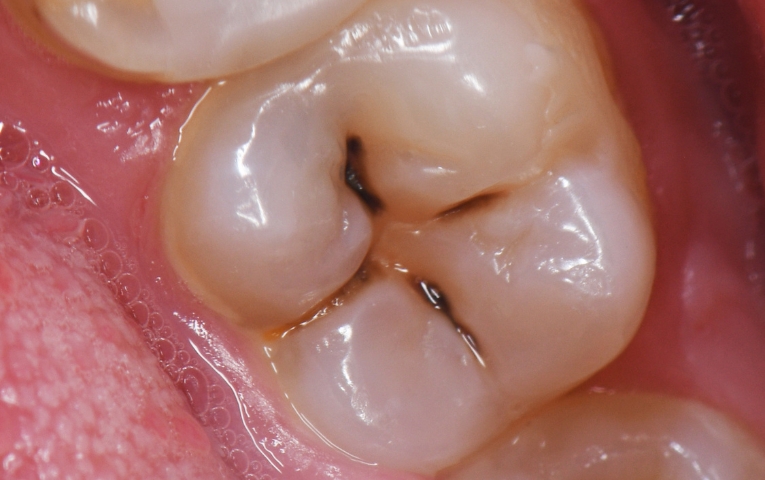
Cavities often start quietly. Early signs can include mild tooth sensitivity to cold, sweet foods, or brushing pressure, especially in areas that are hard to reach with a toothbrush.
Some people notice visible white spots or faint discoloration near the gumline or between teeth. Persistent bad breath can also be a clue that plaque is building up and oral bacteria are thriving.
If a cavity progresses, pain may become more noticeable, and chewing can feel uncomfortable. Dental professionals recommend scheduling an exam promptly if symptoms persist for more than a couple of weeks.
- Tooth sensitivity (cold/sweet)
- Visible spots (white or brownish areas)
- Persistent bad breath
- Pain that worsens with time
Dry mouth and taste changes
Dry mouth symptoms can include a sticky feeling in the mouth, frequent thirst, and a dry or “coated” tongue. Taste changes may occur, such as food tasting muted or different than usual.
Some people also notice thicker saliva or a need to sip water frequently. These changes matter because saliva is central to cavity prevention.
If dry mouth is persistent, it can also increase the risk of gum irritation and mouth sores. Your dentist may recommend saliva-support strategies and check for other causes of xerostomia as well.
Gum and soft-tissue red flags
Gum-related red flags include bleeding when brushing or flossing, gum recession, and gums that look red or swollen. Chronic inflammation can create a cycle where plaque becomes harder to control.
Soft-tissue symptoms can include mouth sores or aphthous ulcers. While ulcers can have many causes, persistent sores should be evaluated to rule out other conditions.
Some people report whitening of soft tissue (sometimes described as smoker’s keratosis) or other texture changes. These are possible signs and should be assessed by a dental professional, especially if they don’t resolve.
- Bleeding gums
- Gum recession
- Mouth sores or ulcers that linger
- Possible white patches or keratosis-like changes
Does Vaping Affect Orthodontic Treatment and Braces/Aligners?
Increased risk during orthodontic care
Orthodontic treatment increases cavity risk because brackets, bands, and attachments create more surfaces where plaque can hide. When vaping contributes to dry mouth and sticky residue, the risk can rise further.
Gum inflammation can also complicate orthodontic care. Inflamed tissues may be more sensitive, and healing around orthodontic hardware may be less comfortable.
Dental professionals often see more white spot lesions around brackets in high-risk patients. Vaping doesn’t guarantee these outcomes, but it can make them more likely—especially with frequent use.
Periodontal check-up before treatment
Before starting braces or aligners, your dentist may recommend a periodontal evaluation if there is existing gum disease, bleeding, or sensitivity. Treating gum inflammation first can improve comfort and reduce the chance of complications during orthodontic therapy.
If you already have early decay or enamel erosion, addressing those issues before active orthodontic work can help protect the teeth while treatment is underway.
For orthodontic patients, a personalized prevention plan—often including professional fluoride and more frequent cleanings—may be recommended.
Relapse and support issues
After orthodontic treatment, teeth can shift back toward their original positions if the supporting tissues and habits don’t support stability. Compromised gum health may contribute to a less favorable environment for long-term support.
Vaping may also affect healing and tissue resilience, which can matter during and after treatment. Even if orthodontic results are achieved, relapse risk and gum discomfort can be higher in some patients.
Reducing or stopping vaping during orthodontics is often encouraged because it supports healthier gums and better plaque control while teeth are being moved.
Treatment: What Dentists Do If Vaping Has Already Damaged Your Teeth
Diagnosis and monitoring
If vaping has affected your oral health, dental professionals typically start with a thorough exam. This includes checking for cavities, enamel erosion signs, gum inflammation, and indicators of dry mouth.
To confirm decay and evaluate risk, your dentist may use X-rays, periodontal probing, and a caries risk assessment. These tools help identify problems that aren’t visible to the naked eye.
Because vaping-related issues can involve both teeth and gums, monitoring may include tracking sensitivity, changes in gumline health, and the presence of white spot lesions.
Cavity and enamel protection options
Treatment depends on what’s found. If cavities are present, your dentist may recommend fillings to restore the tooth structure and stop further decay.
For early enamel demineralization, fluoride varnish or fluoride gels may be used to support remineralization. In higher-risk patients, sealants can protect vulnerable grooves and areas that are difficult to clean.
Orthodontic patients may benefit from extra protective strategies around brackets and attachments, since plaque tends to accumulate there.
- Fillings for active cavities
- Fluoride varnish/gel for remineralization support
- Sealants for high-risk surfaces
Gum disease management and healing support
If gum disease is present, your dentist may recommend periodontal therapy such as scaling and root planing, depending on severity. Periodontal maintenance visits can help control inflammation and reduce the bacterial load associated with gum pockets.
Because vaping can contribute to dry mouth and tissue vulnerability, your dentist may also suggest saliva-support measures and improved at-home cleaning techniques.
Sensitivity management can be part of the plan too. Treating gum recession and protecting exposed root surfaces can reduce discomfort and improve daily brushing tolerance.
Prevention: How to Reduce Cavity Risk If You Vape (or Are Trying to Quit)
Best prevention step: quit or reduce vaping
The most effective harm-reduction strategy is to quit vaping or reduce use as much as possible. While the body’s protection systems may not reset overnight, many people see improvements in mouth comfort and oral stability over time.
Quitting doesn’t erase risk instantly, especially if you already have dry mouth or active plaque buildup. However, reducing exposure can lower the frequency and duration of the conditions that promote decay.
If quitting right now feels difficult, focusing on safer behaviors can still make a meaningful difference. Your dentist can also connect you with evidence-based cessation resources.
Oral hygiene and fluoride strategy
Fluoride is one of the most reliable tools for preventing cavities. Brush twice daily with a fluoride toothpaste, and clean between teeth with floss or interdental brushes at least once a day.
For high-risk patients—such as those with frequent vaping, orthodontic appliances, or a history of cavities—your dentist may recommend fluoride rinses or professional fluoride applications. These can strengthen enamel and support remineralization.
Consistency matters more than intensity. A gentle, thorough routine performed daily is usually more effective than occasional “deep cleaning” that misses plaque buildup.
- Brush 2x/day with fluoride toothpaste
- Floss or use interdental cleaning daily
- Ask about fluoride rinses or professional applications if high-risk
Dry mouth countermeasures
Hydration is a practical first step. Drinking water regularly and avoiding long stretches without saliva support can help reduce the dry mouth effect.
Sugar-free gum or lozenges may help stimulate saliva. Xylitol-containing products are often considered because they can support oral health in some patients, but suitability varies—your dentist can advise based on your medical history.
If dry mouth persists, saliva substitutes or prescription options may be discussed. Because xerostomia can have multiple causes, dental professionals may also check for medications or medical conditions that contribute to it.
Vape-related behavior changes (harm reduction)
Even if quitting isn’t immediate, behavior changes can reduce how long your teeth are exposed to potentially harmful conditions. Avoid “constant puffing” and try not to vape continuously throughout the day.
Choosing products with fewer added sugars or less intense flavoring may reduce some risk factors, though it does not eliminate them. Unflavored or no-added-sugar options may be a lower-risk choice, but dry mouth and residue can still occur.
Finally, keep your dental visits regular. Risk-based checkups and cleanings can catch early decay before it becomes painful or expensive to treat.
- Avoid frequent sipping/constant use to reduce exposure time
- Consider unflavored/no-added-sugar options as a lower-risk choice
- Schedule regular dental exams for early detection
Vaping vs Smoking: Is Vaping Safer for Teeth?
Similar oral outcomes despite different exposures
Vaping and smoking can both affect oral health, and the outcomes can look similar. Many of the same issues—dry mouth, gum inflammation, and increased decay risk—may appear in people who vape or smoke.
However, “less harmful than smoking” does not mean “safe.” Vaping may avoid some toxins found in cigarette smoke, but it still exposes the mouth to aerosol components that can irritate tissues and alter saliva and plaque behavior.
In most cases, non-vaping remains the lowest-risk option for cavities and gum disease. Dental professionals generally encourage complete avoidance of nicotine and vaping products when possible.
Why vaping can still be worse than expected
Some people assume that because vaping doesn’t involve burning tobacco, it must be harmless to teeth. In reality, flavorings, aerosol residue, and dry mouth can still create conditions that favor cavities and gum inflammation.
Nicotine-containing products may add an extra layer of risk by contributing to dry mouth and affecting gum tissue health. Even nicotine-free vaping can still leave residue and contribute to a less protective oral environment.
That combination—dry mouth plus plaque retention—helps explain why dentists still warn about vaping’s impact on oral health.
Long-term uncertainty and why dentists still warn
Long-term oral effects are still being studied. Because vaping became widely popular relatively recently, researchers are still working to understand how risks evolve over many years.
Emerging evidence continues to suggest associations between vaping and caries and periodontitis. While the exact magnitude of risk can vary by product type and individual habits, the direction of the findings is consistent enough to warrant caution.
For patients, the practical takeaway is straightforward: if vaping is increasing dry mouth or plaque retention for you, your cavity risk can rise. That’s enough reason for proactive prevention and regular dental monitoring.
When to See a Dentist (and What to Tell Them)
Urgent vs routine visit triggers
Some symptoms should be addressed urgently. Seek prompt dental care if there is toothache, swelling, loose teeth, significant bleeding, or mouth sores that do not heal.
Routine visits are appropriate for earlier concerns such as mild sensitivity, persistent dry mouth, or early signs of decay like white spots. If symptoms last more than a couple of weeks, it’s wise to schedule an exam rather than waiting.
Early detection often leads to simpler treatment. Catching demineralization early can sometimes prevent a cavity from forming.
- Urgent: toothache, swelling, loose teeth, significant bleeding, non-healing sores
- Routine: sensitivity, persistent dry mouth, early decay signs
What to disclose at your appointment
Dental professionals can tailor prevention plans only if they know your risk factors. Be sure to disclose how often you vape, what type of device you use, and whether your e-liquid contains nicotine.
Also mention flavor use and any orthodontic status (braces or aligners). If you have a history of gum disease or frequent cavities, that information helps your dentist estimate your caries risk more accurately.
Sharing this information supports better decisions about fluoride, sealants, and gum therapy if needed.
What to expect at the visit
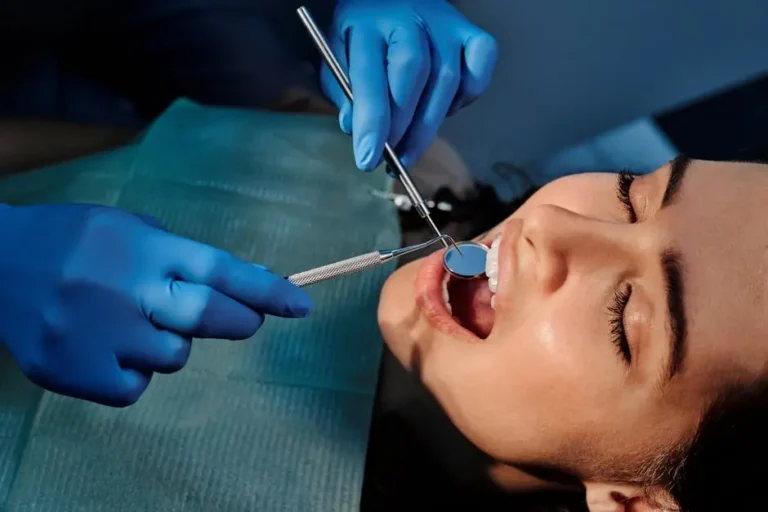
Your dentist will typically perform a comprehensive oral exam, including checking teeth surfaces for early decay and assessing gum health. If relevant, an oral cancer screening may be included as part of routine evaluation.
Caries risk evaluation may involve X-rays, periodontal probing, and discussion of your daily routine. Your dentist may also ask about dry mouth symptoms and hydration habits.
After the assessment, a personalized prevention plan is usually recommended—often including fluoride strategy, cleaning guidance, and follow-up timing based on your risk level.
Frequently Asked Questions
Does vaping cause cavities even if the vape is nicotine-free?
Nicotine-free vaping can still contribute to cavity risk. Even without nicotine, vape aerosol may contain ingredients and flavorings that can promote dry mouth, sticky residue, and a mouth environment that supports plaque and acid production. Risk may be lower than with nicotine-containing products, but it is not zero.
Can vaping damage enamel or cause tooth erosion?
Yes. Vape aerosol components and acidic or irritating byproducts can contribute to enamel weakening and erosion in some people, which may increase sensitivity and make cavities more likely. Erosion and cavities are different processes, but they often overlap because weakened enamel is easier for decay to start.
How long after quitting vaping will cavity risk improve?
Saliva flow and oral conditions may improve over time after quitting, but the timeline varies by person. Some people notice reduced dry mouth within weeks, while cavity risk may take a few months to fully reflect improved habits and oral environment. Our team at Smile Avenue Family Dentistry can reassess your caries risk after a few months and adjust prevention as needed.
Are flavored vapes worse for teeth than unflavored?
Flavored vapes may be worse for teeth than unflavored options because flavorings can increase bacterial activity and leave more residue. That said, unflavored vaping can still cause dry mouth and deposit aerosol components on teeth. Choosing less intense options may reduce some risk factors, but it doesn’t eliminate the overall concern.
Does vaping cause dry mouth, and is dry mouth the main reason for cavities?
Vaping can cause dry mouth, and dry mouth is a major reason cavities become more likely. Saliva helps neutralize acids and washes away food debris and bacteria, so reduced saliva increases the time acids stay in contact with enamel. While other factors like plaque retention also matter, dry mouth is one of the strongest mechanisms.
Can vaping make gum disease worse?
Yes. Vaping is associated with increased risk of gingivitis and periodontitis through irritation, dry mouth, and nicotine-related effects on gum tissue health. Gum inflammation can also create conditions that make plaque harder to control, indirectly raising cavity risk.
What’s the best way to prevent cavities if I can’t quit vaping right now?
Use fluoride toothpaste twice daily and clean between teeth every day. Stay hydrated and consider saliva-support strategies such as sugar-free gum or lozenges (xylitol if appropriate). Schedule regular dental cleanings and ask about professional fluoride or sealants if you’re high-risk.
Should I tell my dentist if I vape?
Yes. Telling your dentist how often you vape and whether it contains nicotine helps tailor your cavity and gum prevention plan. It also improves orthodontic planning and treatment decisions if you have braces, aligners, or gum disease.
Comparison: Vaping vs Smoking vs Non-Vaping for Cavities and Gum Health
Side-by-side risk factors (dry mouth, plaque, gum inflammation)
Different habits can affect the mouth through similar pathways. Dry mouth, plaque retention, and gum inflammation are common themes that influence both cavities and periodontal health.
| Habit | Dry mouth risk | Plaque/acid environment | Gum inflammation risk | Overall cavity/gum risk |
|---|---|---|---|---|
| Non-vaping | Lower | More stable | Lower | Lowest |
| Vaping | Often higher | May increase residue/plaque retention | Higher | Moderate to higher (varies by user) |
| Smoking | Often high | More damaging oral exposure | Highest | Highest |
Practical takeaway for patients
The clearest takeaway is that non-vaping is the lowest-risk option for cavities and gum disease. Vaping is not “safe,” even if it may be less harmful than smoking cigarettes for some outcomes.
If vaping is part of your routine, focusing on prevention—fluoride, consistent cleaning, hydration, and dry mouth management—can reduce the chance that early enamel changes progress into cavities.
What dentists recommend regardless of product
Regardless of whether someone vapes, smokes, or does neither, dental professionals emphasize the same core prevention strategies. Fluoride exposure, regular exams and cleanings, and early treatment of gum inflammation are key.
For people who vape, additional attention to dry mouth symptoms and plaque control can make a meaningful difference. If you’re experiencing sensitivity, persistent bad breath, or gum bleeding, an exam can identify problems early and help protect your teeth.
If you’re concerned about does vaping cause cavities in your own mouth—or you’ve noticed sensitivity, dry mouth, or gum changes—schedule a consultation with your dentist. A personalized caries and gum risk plan can help protect your enamel, reduce future decay, and keep your smile healthier long-term.