Emergency Dentist in Katy, TX: What to Do and Where to Go for Urgent Dental Care
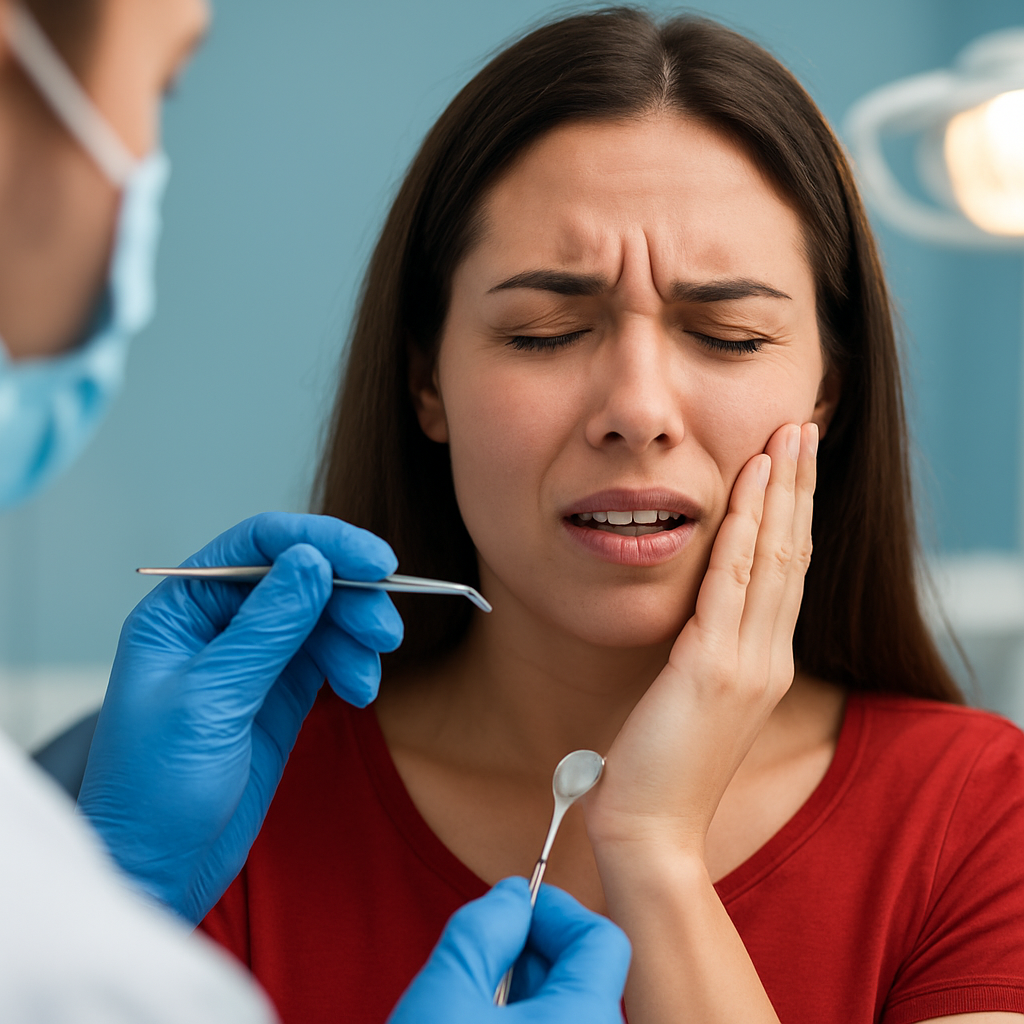
When a tooth injury or severe toothache happens, you need quick, practical decisions, not panic. This guide tells you exactly what to do first, how to triage common dental emergencies, and when to contact an emergency dentist katy tx or head to the hospital. It also lists verified local resources and same day appointment options, so families in Katy, Cinco Ranch, and Fort Bend can act fast and confidently.
Immediate actions for the most common dental emergencies
Act fast and stay practical. The first minutes determine whether a tooth can be saved or an infection contained. Below are precise, low-noise actions for the six problems you will actually face.
Knocked-out permanent tooth
- Handle by the crown. Avoid touching the root; rinse gently with tap water if dirty, do not scrub.
- Try reinsertion if the person is cooperative. Gently push the tooth into the socket and hold in place with a clean cloth or gauze.
- If reinsertion is impossible, keep the tooth moist. Place it in milk, saline, or the person’s saliva; Hank's Balanced Salt Solution is best if available.
- Move quickly to an emergency dentist. Aim for treatment within 60 minutes for the highest chance of saving the tooth; call an emergency dentist katy tx like Smile Avenue Family Dentistry in Katy en route.
Severe toothache or suspected infection
- Control immediate pain. Use acetaminophen or ibuprofen at recommended doses for adults; follow pediatric dosing for children and avoid topical aspirin on gums.
- Rinse with warm salt water. Mix one teaspoon salt in 8 ounces of warm water and swish gently to reduce bacterial load.
- Call for same day care. If pain is severe, persistent, or there is facial swelling or fever, request a same day appointment with an emergency dentist katy tx or go to the hospital if breathing or swallowing is affected.
Fractured or broken tooth
Preserve fragments and protect soft tissue. Rinse the mouth and collect fragments in milk if possible. Cover sharp edges with sugar free gum or orthodontic wax and see an emergency dentist for bonding or more definitive work.
Lost crown or filling
- Save the crown. It may be recemented temporarily.
- Use temporary dental cement or sugar free gum to cover exposed tooth if sharp or sensitive, then call for a same day visit for recementation or replacement.
Soft tissue cuts and bleeding
Direct pressure and cold reduce bleeding and swelling. Apply clean gauze with firm pressure for 15 to 20 minutes. If bleeding persists beyond that, or if the wound is deep, seek urgent care where suturing may be needed.
Dental abscess
Do not lance at home. Rinse, manage pain with approved meds, and call your dentist right away. If swelling progresses toward the eye or neck, or you develop fever and difficulty breathing, go to the hospital.
Practical insight: Reimplanting a tooth helps only if done quickly and gently. If the patient gags, is uncooperative, or there is any airway risk, do not force insertion. Preserve the tooth, control bleeding, and get to an emergency dentist or ER depending on stability.
Concrete Example: A 10 year old is knocked down during a soccer game and a permanent incisor is out. Rinse the tooth briefly, try to reinsert if the child will allow it, or place the tooth in milk. Call an emergency dentist katy tx such as Smile Avenue Family Dentistry in Katy and get there within the hour for the best chance to save the tooth.
Next consideration: if you live in Katy, save the office and ER numbers in your phone now and assemble a small kit with gauze, a sealed container, and milk. That reduces decision friction when seconds count.
Triage rules: when to go to an emergency department versus an emergency dentist
Quick test to decide: is this a threat to breathing, circulation, or the airway, or is it limited to the tooth and mouth? That single distinction should drive whether you head to an emergency department or call an emergency dentist katy tx. Hospitals stabilize medical emergencies; dental clinics fix teeth and save teeth when conditions allow.
A simple decision framework
- Go to the emergency department when the problem includes obvious medical danger: trouble breathing or swallowing, unconsciousness or confusion, major facial fracture, severe uncontrollable bleeding despite pressure, or rapidly spreading swelling with systemic illness. Hospitals manage airway and severe trauma and will arrange surgical care if needed (see Houston Methodist West and Memorial Hermann Katy).
- Call an emergency dentist katy tx for tooth-specific emergencies that do not threaten overall medical stability: severe localized tooth pain without systemic signs, a knocked-out permanent tooth where the person is stable and cooperative, fractured teeth with sharp edges, lost crowns or fillings, or a dental abscess that is contained and not causing breathing problems. Emergency dentists can perform reimplantation, extractions, temporary restorations, and targeted root canal work.
- Use urgent home measures or same-day dental scheduling when symptoms are tolerable and controlled: over-the-counter pain management, cold compress, and contacting a local clinic for a same day appointment or walk-in dentist katy tx. After-hours or weekend options (search for 24 hour dentist katy tx, after hours dentist katy tx, or weekend dentist katy tx) are worth checking before defaulting to the ER.
Practical trade-off: the ER will stabilize and prescribe antibiotics or pain meds but often cannot perform definitive dental repairs; that leads to higher bills and a likely second visit to a dentist. An emergency dental clinic can usually provide targeted, tooth-saving treatments faster and cheaper — but only if the patient is medically stable and there is no airway or major facial trauma.
Common misstep: people go to the ER expecting a tooth to be fixed on the spot. In practice you will frequently leave the ER with medication and a referral. If swelling, breathing, or bleeding are not life-threatening, call a local emergency dental office first — for Katy area families start with Smile Avenue Family Dentistry in Katy to ask about same day or next day slots, after hours protocols, and whether they accept walk-ins.
Concrete example: A teenager falls on pavement and has a fractured jaw and heavy facial swelling. Because swallowing is difficult and the swelling is increasing, the parent takes them to the hospital ER where airway assessment and imaging happen immediately and oral surgery is consulted. By contrast, when a neighbor's adult has a single painful fractured molar with no fever or breathing trouble, a quick call to an emergency dentist katy tx secured a same-day appointment and a temporary restoration that relieved pain and avoided hospitalization.
If you are unsure and the person shows any breathing difficulty, altered alertness, or rapidly worsening swelling, choose the emergency department — that decision preserves life and options.
Where to go in Katy, TX for urgent dental care
If the problem is dental-only and the patient is stable, call an emergency dentist katy tx first. Most tooth emergencies are best solved by a dental clinic that can perform targeted repairs, reimplant teeth, or extract damaged teeth — faster and with lower cost than an ER visit when there is no medical complication.
Local options and practical trade-offs
Choose based on stability, time, and complexity. For knocked-out teeth within the hour, same day dental care matters. For uncontrolled bleeding, trouble breathing, rapidly spreading swelling, or head and neck trauma, the hospital is the right call because they stabilize airway and do imaging. If you are deciding between a weekend dentist katy tx, an after hours dentist katy tx, or the ER, weigh speed and scope: dental clinics fix teeth; ERs stabilize medical risk.
| Provider | Best for | Notes & how to reach |
|---|---|---|
| Smile Avenue Family Dentistry (Katy) | Same day dental appointments, pediatric emergency dentist katy tx, tooth-sparing repairs | Smile Avenue Family Dentistry – Katy — check their emergency dentistry page for same-day and after hours protocols |
| Houston Methodist West (ER) | Severe facial trauma, airway compromise, uncontrolled bleeding | Houston Methodist West ER info |
| Memorial Hermann Katy (ER) | Complex medical-dental emergencies, imaging, oral surgery consults | Memorial Hermann Katy ER info |
Practical limitation: many dental practices do not operate 24/7. Searching for a 24 hour dentist katy tx or after hours dentist katy tx will turn up on-call networks and weekend dentist katy tx options, but those often mean a referral phone line rather than an in-office overnight service. Expect to be triaged by phone and possibly directed to a partner clinic or the ER depending on severity.
- What to bring: insurance card, list of current medications, a sealed container with the tooth if available, and photos of the injury — these speed triage and treatment.
- Payment trade-off: ER visits address life threats but are billed as medical care and are typically more expensive; calling an emergency dental clinic first can save money and avoid a second visit when the issue is dental-only.
- Walk-ins and same-day care: some clinics accept walk-in dentist katy tx patients, but calling ahead for same day dental appointments katy tx reduces waiting and ensures staff prepared for urgent treatment.
Concrete example: Saturday evening, a woman breaks a front tooth at a family dinner but has no increased swelling or breathing trouble. She calls an emergency dentist katy tx, confirms the office can take same day appointments, and gets a temporary bonding to protect the tooth until a permanent crown can be scheduled. The ER would have given pain meds and a referral, adding cost and delay for the restoration.
For immediate next steps, check availability at Smile Avenue Family Dentistry – Katy or save nearby ER contacts now so you can move without delay if the situation changes.
What to expect at the emergency dental visit
Straight answer: an emergency dental visit is typically short, focused, and rarely finishes all definitive work in one trip. The goal for most urgent visits is to stop pain or infection, stabilize the tooth or mouth, and create a safe plan for definitive treatment.
Arrival and triage — the quick timeline
What happens first: most clinics perform a brief phone triage, then a quick intake when you arrive: medical history, current medications, and a targeted exam. Expect vitals if there is swelling, fever, or signs of infection; that helps the team decide whether the case stays in-office or needs hospital transfer.
Diagnostics and decision point: the dentist will usually take a focused X-ray or two and inspect soft tissues. Based on those findings you will be offered either an immediate, tooth-preserving procedure (reimplantation, recementation, temporary bonding) or a temporizing measure (packing, drainage, or extraction) with a clear next-step plan.
Common immediate treatments and realistic limits
Likely interventions: expect one of the following in most urgent visits: temporary restoration to stop pain, simple extraction, reimplantation for a fresh avulsed permanent tooth, incision and drainage for a localized abscess, or a prescription for antibiotics and analgesics. Full root canal therapy or permanent crowns are often scheduled later — emergencies buy you time and safety, not always a final fix.
Practical trade-off: an in-office quick fix reduces pain and prevents spread of infection but can increase total number of visits. Choosing a same-day extraction ends the problem now but sacrifices a tooth; conserving the tooth may need multiple follow-ups and higher costs.
Cost and paperwork: expect an emergency visit fee in addition to procedure charges. Bring insurance and a list of medications; if uninsured, ask about cash pricing, in-house plans, or financing like CareCredit. Offices in Katy often give a verbal estimate up front if you call before coming in.
What to bring and how to prepare (practical tips)
Bring the essentials: a photo ID, your insurance card or policy number, a current medication list, and the tooth or fragments in a sealed container with milk or saline if applicable. For kids, bring a comfort item and any recent dental X-rays if you have them — that can speed decisions.
Expect communication: the dentist should explain why they chose the immediate treatment, outline risks and benefits, and schedule definitive care or a surgical referral if needed. If you leave with antibiotics, understand they are adjunctive — not a cure for a tooth that needs drainage or removal.
Concrete Example: A 42-year-old arrives with a painful lower molar and localized swelling. After intake and an X-ray the dentist performs incision and drainage, places a temporary dressing, prescribes antibiotics and ibuprofen, and books a pulpectomy or extraction within 72 hours depending on response. Pain drops substantially the same day; definitive treatment follows once infection is controlled.
If preserving a tooth is the priority, speed is the single biggest factor. For avulsed permanent teeth and recent fractures, immediate in-office action improves outcomes substantially.
How families can prepare for dental emergencies
Prepare once, act faster. A compact plan and a few items stored where your family actually uses them cut anxiety and preserve options when a tooth injury or severe pain happens.
Assign a point person and a staging place. Decide who calls, who drives, and where the kit lives (car glove box, sports bag, or kitchen drawer). Save an ICE contact called Emergency Dental with the phone and directions to Smile Avenue Family Dentistry – Katy and your nearest ER so you do not fumble under stress.
Build a compact emergency dental kit
| Item | Purpose and quick use |
|---|---|
| Small sealed container (snap lid) | Store an avulsed tooth in milk or saline; keeps it clean and transportable. |
| Single‑use saline ampoules or small bottled milk | Shelf-stable options to keep a tooth moist; saline lasts longer than open milk and avoids spoilage. |
| Temporary dental cement/Dentemp or sugar‑free gum | Cover exposed dentin or a lost crown until you reach an emergency dentist. |
| Sterile gauze, disposable gloves, small flashlight | Control bleeding, protect the rescuer, and inspect the mouth quickly. |
| Instant cold pack and compact pain‑medicine card | Reduce swelling and have dosing reminders for adults and children — store dosing info so you do not guess under stress. |
| Printed contact card with: dentist, pediatrician, nearest ER, insurance phone | Phones die; a paper card in the kit or wallet prevents scrambling. |
Practical trade-off: a full preservation kit like Hank's Balanced Salt Solution is ideal but uncommon for most families. Carrying saline ampoules or a small sealed milk carton is an effective, low-cost compromise that keeps options open without excessive fuss.
Maintenance matters more than completeness. Check the kit twice a year, replace expired meds and milk, and refresh the printed contact card. Rehearse the plan with children so everyone knows who calls and where to meet — that rehearsal saves real time during a panic.
Concrete Example: At a weekend soccer tournament a parent kept a small kit in the sideline bag with a sealed milk carton and a container. When a 9 year old’s permanent incisor was knocked out, the parent stored the tooth in milk, called an emergency dentist katy tx and drove directly to Smile Avenue Family Dentistry – Katy. The rapid actions and pre-saved contact reduced delay and improved the tooth’s salvage chances.
Judgment call: most families overprepare bulky kits or underprepare with nothing. Aim for a small, checked kit plus a clear plan to call for same day dental appointments katy tx or an after hours referral — speed and a known local provider matter more than having every specialty item.
Next consideration: save the dentist and hospital numbers now, check your insurance phone number, and place a tiny kit where you actually move — then you will be able to act decisively, not react frantically.
Special considerations for children and older adults
Different priorities, different risks. For children the urgency is often about preserving a developing permanent tooth and managing fear; for older adults the focus is on medication interactions, healing capacity, and prosthetic stability. In practice that means you change how you approach the same emergency depending on age — not just the treatment, but consent, transport, and whether you call a pediatric or adult emergency dentist first.
What changes in the field response
Children require behavior-aware triage. If a child will not cooperate, forced reinsertion of a knocked-out tooth is a bad idea; preserve the tooth in milk or saline and prioritize a calm, same day pediatric appointment. Nitrous oxide and parental presence are realistic tools most family dentists use to get safe, quick work done — but sedation is not appropriate if the child has airway swelling or unstable vitals.
| Population | Top practical priority | Critical information to bring or communicate |
|---|---|---|
| Children | Protect growth and avoid root damage; manage fear so treatment is possible | Age, tooth type (primary vs permanent), last tetanus if wound, recent meds, willingness to cooperate |
| Older adults | Prevent bleeding/complications and preserve prosthetics; coordinate with medical team | Full medication list (anticoagulants, diabetes meds), recent labs (INR if on warfarin), denture status |
Medication and medical coordination is the real constraint for elders. Antibiotics and analgesics are routine in dental emergencies but can interact with blood thinners or diabetic drugs. Do not stop anticoagulants without medical advice — instead bring medication details and arrange a quick call between the dentist and the prescribing physician so treatment can proceed safely without unnecessary hospitalization.
Concrete example: An 80 year old on apixaban slips at home, chips a tooth and has a gum laceration with steady oozing. The family brings a current medication list and the apixaban bottle; the clinic arranges phone clearance with the primary care doctor, uses local hemostatic measures and sutures under local anesthesia, and schedules close follow up rather than sending the patient to the ER where anticoagulation management would complicate care.
Common misjudgment: Parents sometimes insist on reimplanting a baby tooth — do not. Reimplantation is for permanent teeth. Likewise, families assume stopping anticoagulants is required for every extraction; that decision must be individualized. These two mistakes cost time and create avoidable complications.
Next consideration: If your household includes both school-age children and older adults, keep two ready items in your kit — a child comfort item and a printed medication list — so your single response plan actually works for both populations.
Post emergency care and follow up
Immediate aftercare matters more than most people realize. Pain control or a temporary fix is only the first step; what you do in the next days determines infection risk, the chance of saving a tooth, and whether you will need more invasive treatment later. Keep clear records of what was done, who treated you, and any prescriptions given.
Key follow up actions and timing
- Keep and follow medication instructions. Finish antibiotics exactly as prescribed; they assist healing but do not replace drainage, extraction, or root canal when those are required.
- Obey dietary limits. Soft foods and avoiding chewing on the treated side for at least 48 to 72 hours reduce the risk of dislodging a temporary restoration or clot.
- Attend the scheduled restorative visit. Temporary restorations, splints, and dressings need definitive care — plan for a follow up within 1 to 4 weeks depending on the procedure.
- Watch for red flags. Worsening pain, fever, spreading swelling, numbness, or drainage are reasons to return immediately rather than wait for a scheduled appointment.
- Get written details and costs. Ask for a written treatment plan and estimate for definitive care so insurance and out of pocket decisions are clear.
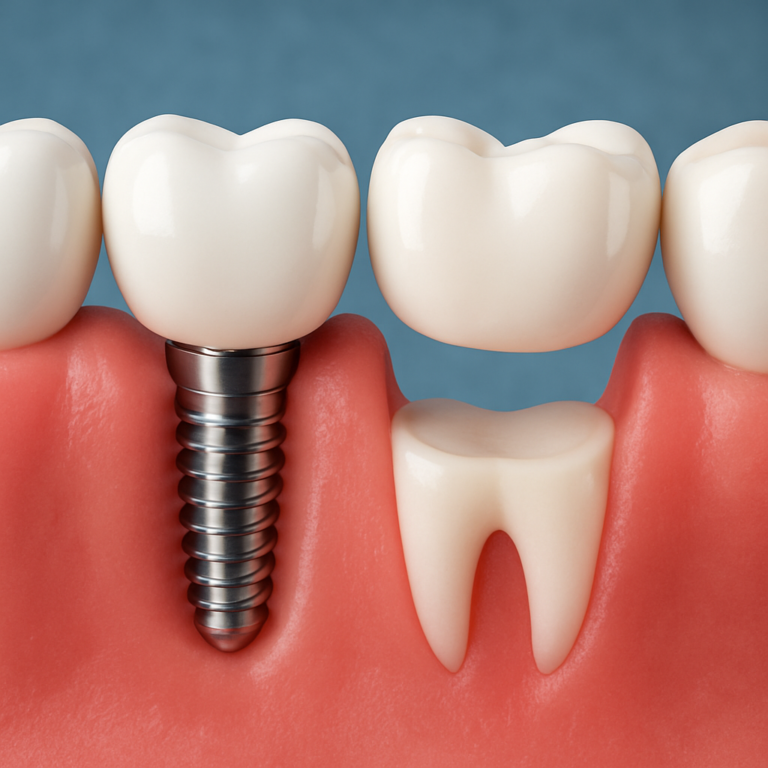
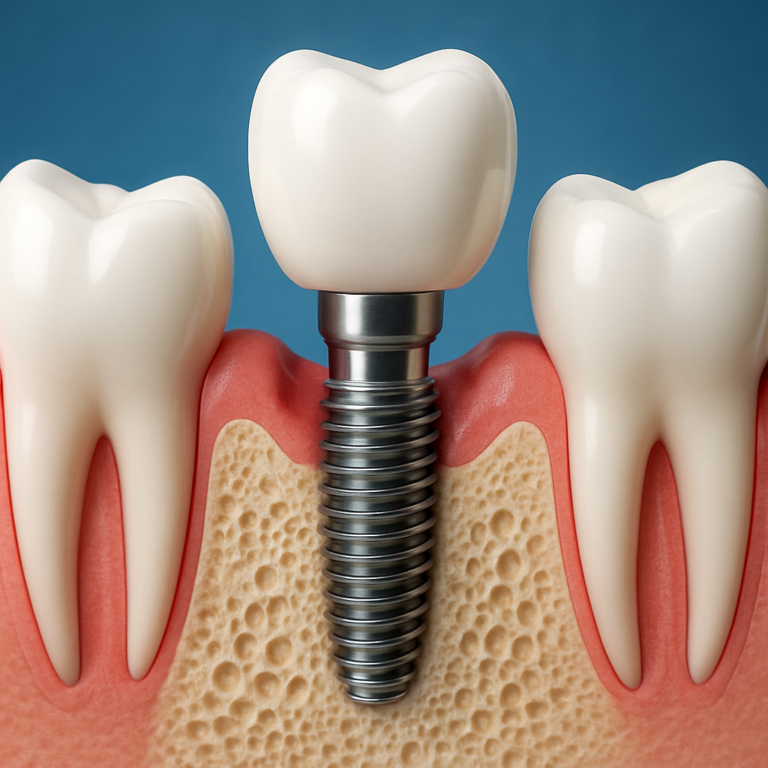
Practical limitation: emergency repairs are often provisional. Choosing tooth preservation can require multiple appointments and higher cumulative cost; choosing extraction stops the problem quickly but sacrifices the tooth and may lead to implant or bridge costs later. Make the tradeoff with a clear written plan from your dentist.
Concrete Example: After a Saturday reimplantation, a patient returned to a Katy clinic for a flexible splint removal at 10 days, began root canal therapy in week two to reduce reabsorption risk, and then scheduled a final crown months later once the tooth was stable. That sequence reduced immediate infection risk and preserved the tooth, but required coordinated follow up and multiple visits.
Coordination matters for vulnerable patients. For children monitor root development and growth; for older adults coordinate with the primary care physician if anticoagulants or complex medicines are involved. Ask your emergency dentist to place notes in the record for other providers and to communicate directly when restraint or medical clearance is needed.
Insurance and billing judgment: do not assume an ER bill covers the dental definitive care. If a hospital stabilized you, request documentation and a direct referral to an emergency dental clinic. Call your insurer with the diagnosis code and anticipated procedures, and contact the clinic about payment options like in house plans or CareCredit if you lack coverage.
If pain or swelling recurs after initial improvement, return immediately. Early escalation preserves options.