Dental Emergency in Cypress, TX? Step-by-Step Guide to Immediate Care, Costs, and When to Seek Emergency Treatment
When a dental emergency hits in Cypress, every minute counts. This practical guide tells you exactly what to do at the scene, how to decide between 911, the ER, or an emergency dentist cypress tx, realistic cost ranges and payment options, and what to expect during a same-day visit to Smile Avenue Family Dentistry – Cypress. Follow the step-by-step triage, checklists, and local contacts to control pain, protect teeth, and get prompt care.
Immediate Step-by-Step First Aid for Common Dental Emergencies
Start simple and prioritized: first preserve life and airway, then control bleeding, reduce pain, and protect the tooth or tissue until you reach professional care. These steps are practical, low-risk, and focused on preserving options – especially for a knocked-out permanent tooth where time is the critical variable.
Knocked-out tooth (avulsion)
- Handle by the crown only. Do not touch the root – rinse gently with water if dirty, do not scrub or use soap.
- Keep it moist. Best short-term storage is cold milk or a tooth preservation kit. If nothing else is available, hold the tooth between cheek and gum – only for adults who are alert and can safely hold it.
- Time matters. Aim to see an emergency dentist within 60 minutes for the best chance of saving a permanent tooth. Do not replant primary (baby) teeth.
- If comfortable, reinsert gently. Only attempt replantation if you understand the risk and the person is cooperative; otherwise transport the tooth in milk and get to an emergency dentist immediately.
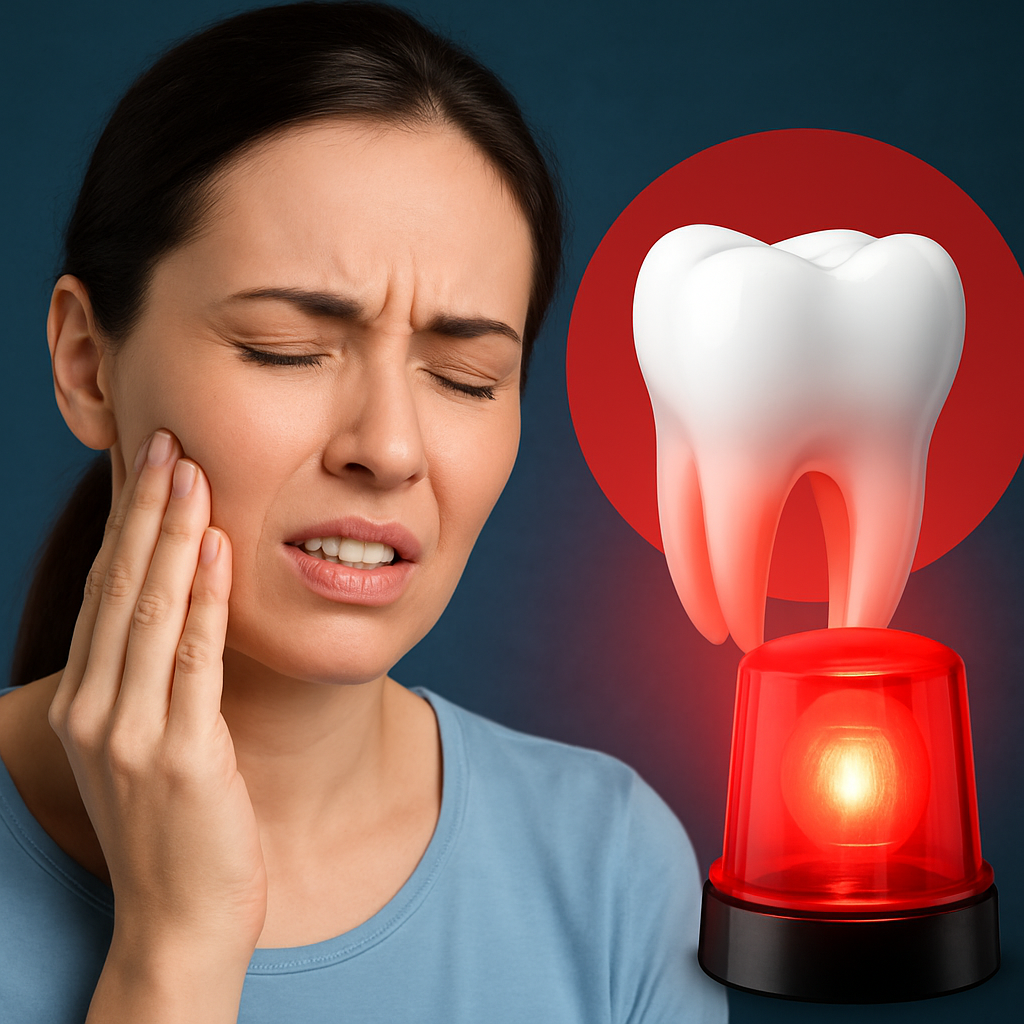
Severe tooth pain or swelling
Pain control first, then triage. For adults use ibuprofen 200-400 mg every 4-6 hours (do not exceed 1200 mg OTC per day) or acetaminophen 325-650 mg every 4-6 hours (do not exceed 3000 mg per day). Never place aspirin directly on the gum.
- Cold compress. Apply to the cheek 10 minutes on, 10 minutes off to reduce swelling and pain.
- Watch for red flags. Fever, spreading facial swelling, difficulty breathing or swallowing – go to the nearest emergency department or call 911.
- Antibiotics require a clinician. Don’t rely on leftover pills; a dentist will decide if antibiotics are necessary and which drug is appropriate.
Chipped or fractured tooth
Preserve fragments and protect soft tissue. Rinse any fragments and bring them. Cover sharp edges with dental wax or sugarless gum and avoid chewing on that side.
Uncontrolled oral bleeding
- Apply firm pressure. Use sterile gauze or a clean cloth directly over the site for 15-20 minutes without checking frequently.
- Keep the head elevated. Sit upright and avoid heavy exertion. If bleeding does not slow after 20-30 minutes or is accompanied by dizziness, seek emergency department care.
- Consider anticoagulants. If the patient is on blood thinners, notify the treating clinician immediately – this changes where and how they get treated.
Lost crown or filling
Short-term protection matters. Pharmacy temporary dental cement works for a night or two; sugarless gum can cover an exposed tooth in a pinch. Avoid chewing on that side and arrange urgent dental care to restore function.
Practical trade-off and judgment: people often choose ER for severe tooth pain; that is reasonable for airway or trauma concerns but not for definitive dental repair. An emergency dentist cypress tx will usually provide more appropriate, faster, and cost-effective treatment for tooth-specific problems.
Concrete Example: A 12-year-old in a soccer game knocks out a permanent front tooth. Parents rinse the tooth, store it in cold milk, and get to an emergency dentist within 30 minutes. The quick actions preserved the tooth for replantation – a result that would have been unlikely after several hours.
What not to do: avoid home lancing, avoid placing topical aspirin on gums, and do not delay seeking a dentist because you think the ER will fix the tooth. ER care often only provides temporary relief – definitive treatment is dental, not emergency-room, care. For local same-day options see Smile Avenue Family Dentistry – Cypress emergency services or general guidance from the ADA.
Triage Guide: Emergency Dentist, Emergency Department, or Schedule Next Business Day
Bottom line: pick the location that can deliver the right procedure, not just immediate pain relief. For tooth-specific problems a dentist with instruments and radiographs is usually the correct choice; for rapidly worsening systemic illness or major facial trauma, a hospital is the right place.
Triage at a glance
- Hospital / 911: When the person shows signs of a spreading infection or unstable vitals – high fever with sweats, trouble breathing or swallowing, collapse, or severe facial injury with bone instability. Hospitals stabilize life- and airway-threats, order CT or IV antibiotics, and coordinate surgical teams if needed. See ACEP guidance for examples where emergency department care is appropriate.
- Emergency dentist (same-day): For severe localized tooth pain, displaced permanent teeth that can potentially be saved, sharp fractured edges, or an abscess limited to the jaw without systemic symptoms. A dentist can provide imaging, definitive procedures (splinting, extraction, root canal referral), and targeted antibiotics. If it is after-hours or weekend, ask for after-hours dentist cypress tx or weekend dentist cypress tx options—many practices maintain on-call coverage or partner with local urgent dental care centers.
- Schedule next business day: Minor chips that do not bite the lip, lost temporary restorations with minimal pain, or settled discomfort after over-the-counter medication. Delaying a day is reasonable when there are no signs of spreading infection, uncontrolled bleeding, or escalating pain. For routine timing and bookings, check Smile Avenue emergency services or call the office.
Practical trade-off: Emergency departments will usually control severe pain and start IV antibiotics if needed, but they rarely complete dental repairs. That means higher cost, longer stays, and an additional dental appointment later. Conversely, an after-hours or same-day dentist provides definitive, tooth-focused care but may have limited ability to manage life-threatening complications.
Phone triage works. Call your dentist first, describe symptoms, and text photos if possible. A short exchange often prevents an unnecessary ER visit and speeds you to the right clinic. If the dentist requests you come in, tell them about any blood thinners, diabetes, or immune suppression up front — those conditions change urgency and where you should be treated.
Concrete example: A 38-year-old with a throbbing lower molar and no fever calls the clinic in the morning and is offered a same-day emergency dentist cypress tx appointment. The dentist performs an exam and radiograph, gives local anesthesia and a temporary restoration, and schedules a follow-up root canal the next day. By contrast, a different patient with rapidly expanding cheek swelling and difficulty swallowing was directed to the hospital immediately for IV antibiotics and airway monitoring.
If symptoms are limited to the tooth and soft tissues without systemic signs, a same-day dentist in Cypress is usually faster, cheaper, and more likely to fix the problem on the spot than an ER visit.
What Happens During an Emergency Visit to Smile Avenue Family Dentistry – Cypress
Arrival and quick intake: When you arrive the team confirms identity, medications, and the exact time symptoms or injury began. Expect a short pain and medical screening up front – if you are on blood thinners, have diabetes, or recent cardiac issues, the clinician needs that immediately because it changes treatment options and timing.
Assessment and immediate actions
Focused exam and targeted imaging: The dentist performs a focused oral exam and takes targeted X-rays or a limited CBCT if the situation needs it. The goal is not a full treatment plan right away but a precise diagnosis so the team can pick the least invasive, fastest path to stop pain and preserve options.
Common on-the-spot treatments: Local anesthesia for pain control, temporary restorations or protective smoothing for sharp fractures, splinting for displaced teeth, incision and drainage for localized abscesses, and simple extractions when a tooth is non-restorable. Some cases allow same-day root canal therapy, but that depends on infection severity and available endodontic resources.
Decision trade-offs you will see
Practical insight: The clinical team constantly balances speed against long-term outcomes. For example, placing a temporary restoration today protects the tooth and buys time for a planned root canal and crown later. Trying to complete a definitive crown or extensive prosthetic work during an emergency visit almost always leads to extra visits and higher overall cost.
Real-world constraint: Patients on anticoagulants, with poorly controlled diabetes, or with active systemic infection often cannot have definitive extractions or complex surgery in a general practice setting the same day. In those cases Smile Avenue coordinates with medical providers or refers to an oral surgeon to reduce bleeding and infection risks.
Concrete example: A 67 year old with a fractured lower molar arrives in severe pain and is on warfarin. The dentist controls pain with local anesthesia, places a temporarily protective restoration, calls the patients primary care doctor to confirm INR status, and schedules a surgical extraction with an oral surgeon the next day. That pathway avoids dangerous bleeding while resolving pain promptly.
Transparent Cost Breakdown and Payment Options for Emergency Dental Care in Cypress
Straightforward reality: emergency dental bills vary widely by procedure and medical context, and the fastest route to avoid a surprise bill is to ask for an estimated range before treatment. If you call an emergency dentist cypress tx for same-day care, tell the scheduler whether you have dental insurance, any medical insurance for trauma, and if you plan to pay cash — that immediately narrows realistic options.
Local price ranges and what drives them
Why prices move: complexity (root anatomy, infection), need for sedation or surgery, and urgent after-hours staffing all push costs up. Emergency-room care routinely costs more because hospitals charge facility and imaging fees and rarely complete definitive dental repair — they usually provide temporary pain control and antibiotics.
| Procedure / Service | Typical self-pay range in Cypress | Notes on coverage and comparative ER cost |
|---|---|---|
| Emergency exam + limited X-ray | $75 – $200 | Often covered by dental plans; ER visit for same symptom usually costs several hundred more and may not include dental radiographs. |
| Simple extraction (single tooth) | $150 – $450 | Covered variably by dental insurance; medical coverage possible for trauma-related extractions. |
| Surgical extraction (impacted or fractured) | $300 – $900 | Higher due to surgical time and anesthesia; referral to oral surgeon increases cost. |
| Root canal therapy (anterior / premolar / molar) | $300 – $900 / $400 – $1,000 / $700 – $1,800 | Insurance limits and need for follow-up crown affect total cost; same-day RCT availability varies by practice. |
| Temporary restoration or protective dressing | $50 – $300 | Low-cost stabilization to control pain and protect the tooth until definitive work. |
| Emergency department visit for dental pain | $300+ (often higher) | Typically higher total cost and usually results in temporary relief only. |
Practical trade-off: paying a dentist for same-day definitive or near-definitive care is often cheaper than an ER visit followed by a separate dental appointment. However, if there is airway compromise, spreading infection, or severe trauma, the ER is the right and necessary choice despite higher cost.
Payment paths you should expect
Common options: most Cypress dental offices accept major credit cards and cash, and many will file dental insurance claims directly for you. Ask the front desk for a verification of benefits — it takes minutes to check what part of an emergency exam or procedure your carrier will pay.
- Dental insurance: usually covers emergency exams and a portion of urgent procedures; confirm co-pays and deductibles.
- Medical insurance: may cover treatment when dental trauma is part of a medical emergency; bring ER paperwork if applicable.
- Third-party financing: CareCredit or similar plans can spread payments; ask about approval timeline for same-day procedures.
- In-house or short-term payment plans: some practices offer split payments for urgent work — verify before treatment to avoid surprises.
- Cash or debit: some clinics give a modest discount for full cash payment.
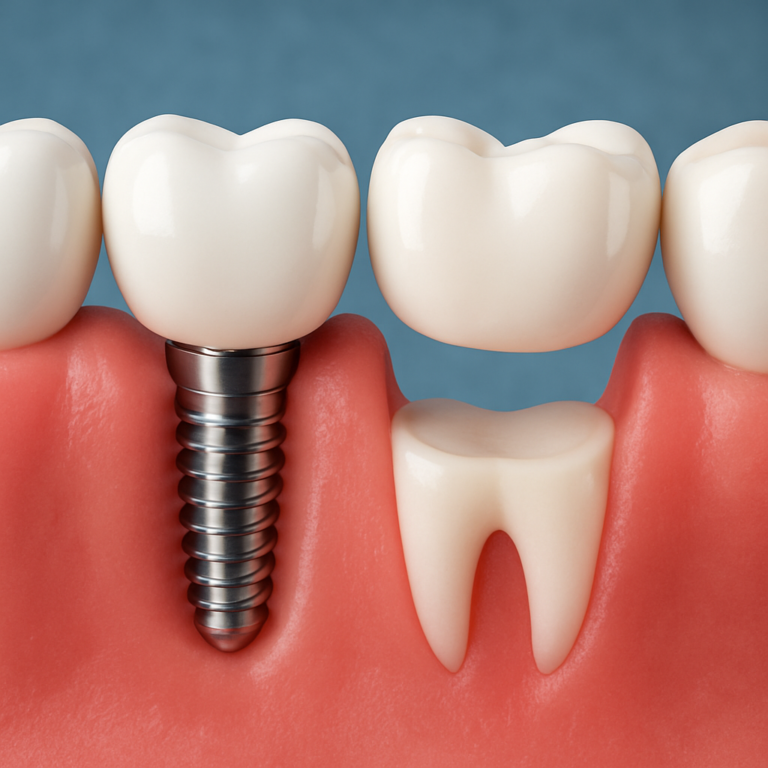
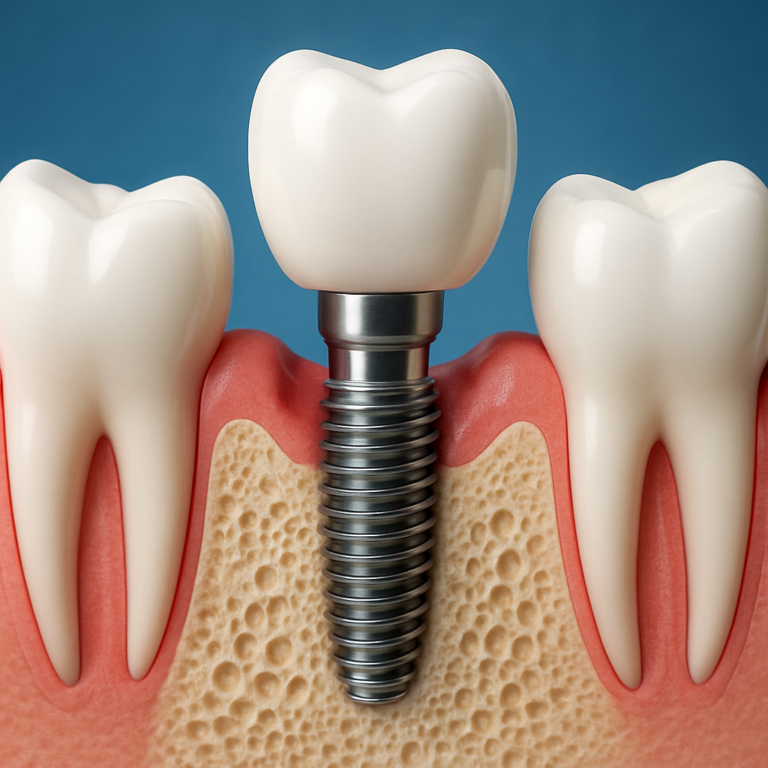
Concrete example: an uninsured adult with an abscessed lower molar often pays $125 to $250 for the urgent visit and antibiotics, then faces a choice: a root canal and crown (often totaling $1,200 to $2,500) or extraction and implant planning (extraction $200 – $900 plus implant costs later). Financing can make the difference between extracting now versus preserving the tooth if clinically feasible.
Judgment to apply: don’t assume the ER is cost-effective for non-life-threatening dental problems. For tooth-focused issues look for a same-day dental clinic or ask about an after-hours dentist cypress tx or weekend dentist cypress tx; you will usually get faster definitive care and lower total cost. For pricing context see Healthcare Bluebook and the ADA emergency guidance.
Practical Checklist: What to Bring, How to Document, and Questions to Ask During an Emergency Visit
Pack for speed and clarity. A lightweight emergency kit and a few photos on your phone will save time at the clinic and reduce guesswork for the treating team — which matters when minutes change outcomes.
Before you leave: prioritized items to bring
- ID and insurance: photo ID and both dental and medical insurance cards (or screenshots) so reception can verify benefits quickly.
- Medication + allergy list: include dosages, last dose time, and blood thinners — these alter immediate treatment choices.
- Tooth container: small sealable container with cold milk or saline for an avulsed tooth; a plastic bag with damp gauze for fragments.
- Charged phone + charger: photos, timestamping, and on-the-spot tele-triage speed care. Bring access credentials to your patient portal if available.
- Recent x-rays or dentist info: if you have PDFs on your phone or the previous clinic name and phone, bring them — many clinics can pull images faster than repeating scans.
- Payment method and pharmacy info: have your preferred card and the phone number/name of your pharmacy for same-day prescriptions.
- Caregiver or advocate for minors/older adults: someone who can communicate history, sign forms, and stay with the patient.
Practical trade-off: don’t let paperwork or elaborate photo shoots delay transport when time is critical. If replantation is possible, prioritize getting the tooth and patient to care within the golden window — take 1 quick photo, then go.
How to document so the dentist gets what they need
- Photo angles that matter: one straight-on smile/face, one close-up of the injured tooth with good light, and one of any loose fragments next to a coin for scale.
- Timestamp everything: use your phone’s camera (timestamps are embedded) or record a 10-second voice memo saying the time and what happened — clinicians use that timeline for decisions.
- Video of function: a quick video of the bite or the way the jaw moves can show displacement better than a still photo.
- Keep originals and packaging: antibiotic boxes, temporary cement instructions, or any medication labels help the team avoid interactions or duplicate dosing.
- Privacy and consent: if you send photos to the clinic, mention HIPAA concerns and confirm they received them; most clinics have secure intake options but double-check.
Limitation to note: high-quality radiographs in the office are often necessary — phone photos are helpful for triage but cannot replace imaging for definitive decisions.
Questions to ask at intake and during the exam
- What are you stabilizing now and why? (Helps you understand immediate versus definitive steps.)
- What are the options for definitive care and the timeline? (Root canal, extraction + implant, crown — get the short-term plan.)
- What are the immediate pain-control and infection plans? (Ask which medications and expected relief window.)
- If I have [condition or medication], does that change where or when I should be treated? (Essential for blood thinners, diabetes, immune suppression.)
- Can you estimate out-of-pocket cost for today and next steps? (Request a ballpark and ask about benefits verification.)
Judgment to apply: prioritize questions about safety and timing first. Cost and long-term restoration matter, but confirming that bleeding, airway, or infection risk is addressed takes precedence.
Concrete Example: A weekend soccer player knocks out a lower front tooth. They place the tooth in milk, snap two quick photos (one close-up, one face), note the time of injury in a voice memo, and drive to an after-hours clinic. Because they arrived within an hour with documentation and a contact for their regular dentist, the on-call team replanted and splinted the tooth and scheduled follow-up for root canal and definitive restoration.
If you call an emergency dentist cypress tx before arrival, tell them you have photos and the exact time of injury — that short prep speeds triage and often changes the immediate treatment path.
Follow-Up Care, Prevention Strategies, and When to Schedule Restorative Treatment
Immediate priority after stabilization: once pain and bleeding are under control, the next decision is timing: whether to move to definitive restorative care quickly or to stage treatment. Staged care — temporary protection now, definitive restoration later — is common because it reduces risk, lets swelling and infection settle, and gives time for specialist coordination when needed.
When to move from temporary fixes to permanent treatment
Do not assume the emergency visit equals final repair. If the tooth is structurally compromised but infection is contained, schedule a definitive appointment within a short, clinician-determined window to avoid repeat emergencies. If there is active systemic involvement, anticoagulation, or poorly controlled diabetes, definitive procedures may be delayed for safety and routed to a surgical specialist.
Judgment most patients miss: trying to complete a crown or complex prosthetic work during an emergency session is usually counterproductive. Short-term restorations protect tooth structure and stop pain; definitive crowns or implants require planning, impressions or scans, and sometimes coordination with an endodontist or oral surgeon — rushing these increases the chance of failure and higher total cost.
Practical prevention strategies that change outcomes
- Custom mouthguards for athletes: fits and retention matter — store-bought boil-and-bite rarely prevents complex fractures in contact sports.
- Nightguards for bruxism: a well-made occlusal guard prevents progressive fractures and reduces emergency visits for cracked teeth.
- Early restorative attention: replace large failing fillings before they fracture; proactive crowns on heavily restored molars avoid emergency extractions later.
A limitation to accept: prevention and early restorative care cost money up front. In practice, patients who delay treatment to save on immediate expense often face more invasive and costly options later, including extraction and implant planning. That trade-off is real and common in Cypress patients weighing same-day preservation versus extraction now and prosthetic work later.
Concrete example: A 52-year-old construction worker had an emergency visit after a large posterior filling fractured. The clinic placed a protective temporary restoration and scheduled a definitive root canal and crown within a short window. Because the team avoided immediate extraction and coordinated imaging and occlusal adjustments, the tooth was preserved and the worker returned to full duty after the final crown was placed.
Key point: stabilization today preserves options. Definitive restorative timing should balance infection control, medical risk factors, and long-term prognosis—not convenience.
Local Resources and How to Reach Immediate Care in Cypress, TX
Direct access beats guessing. When a dental emergency happens in Cypress, the practical question is not whether care exists nearby but which local resource can do the right procedure now. Use proximity and capability together: a clinic that is ten minutes away but cannot perform extractions or splinting is less useful than one 20 minutes away that can treat your problem the same day.
How to connect quickly and what to expect
Call first, then go. Phone triage short-circuits long waits. Describe the problem, give the time of injury, mention blood thinners or fever, and offer to text photos. Many Cypress offices, including Smile Avenue Family Dentistry – Cypress, will use photos to prioritize same-day slots and prepare the operatory so treatment starts immediately on arrival.
After-hours reality check. After-hours or weekend care exists, but it has limits: fewer staff, limited sedation options, and possible referral needs for surgical cases. Expect a higher after-hours fee in some clinics — that is the tradeoff for availability. If you need complex surgery or conscious sedation, plan on a short referral pathway rather than a same-night definitive fix.
| Resource | Best used for | How to reach / tip |
|---|---|---|
| Same-day dental clinic or private practice | Displaced or knocked-out permanent teeth, severe tooth pain without systemic signs, splinting, extractions | Call the office line, offer photos, ask for same-day emergency appointment; check practice page like Smile Avenue |
| Hospital emergency department | Airway compromise, major facial trauma, uncontrolled bleeding, systemic infection signs | Call 911 or go to the nearest ER; have someone bring location details and medications |
| On-call or after-hours dental network | Weekend or late-night urgent care when regular offices are closed | Use the emergency/contact number on your dentist's website or follow voicemail instructions for the on-call arrangement |
Coordination with EMS and hospitals matters. If EMS brings you to the hospital for trauma or airway risk, ask the ER team to document the dental injury clearly and request transfer recommendations. Hospitals stabilize life-threatening issues but typically do not perform replantation or definitive dental repairs; you will likely need a follow-up appointment with an emergency dentist cypress tx for final care.
Navigation and logistics that save time. Know the clinic entrance for after-hours arrivals, where to park, and whether the practice requires online forms. Sending photos before arrival, having your insurance card (or a screenshot), and noting the exact time of injury often shortens triage by 10–20 minutes — time that matters for avulsed teeth.
Concrete example: A Friday evening workplace injury left a 37-year-old with a fractured lower molar. The patient called the clinic listed on Smile Avenue's contact page, texted two close-up photos, and was routed to the on-call dentist who held a weekend slot. The dentist provided local anesthesia, placed a protective temporary restoration, and arranged a Monday specialist referral — preserving the tooth and avoiding an ER visit.
Judgment to apply: Prioritize clinics that will commit to same-day triage and accept photos over the nearest location that lacks emergency capability. The right call and a few organized minutes often preserve options and reduce total cost; the wrong choice wastes time and can force extraction when preservation was possible.