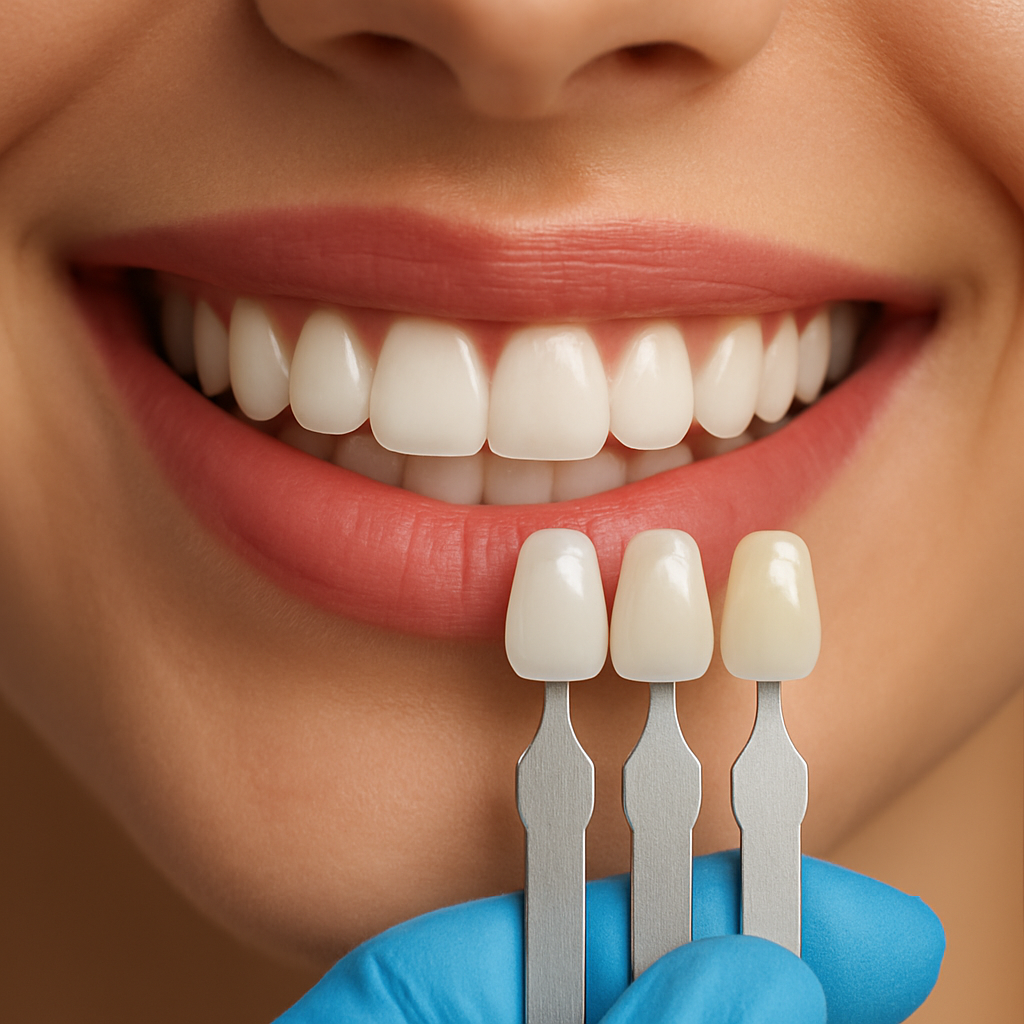
Cosmetic Dentist in Katy, TX: Smile Makeovers, Veneers, and Teeth Whitening Options
Cosmetic Dentist in Katy, TX: Smile Makeovers, Veneers, and Teeth Whitening Options
Thinking about a brighter, more even smile? A cosmetic dentist katy tx can map a realistic, health-first plan—whether that means porcelain veneers, composite bonding, Invisalign, or professional whitening. This guide explains candidacy, timelines, typical costs, and practical next steps at local practices like Smile Avenue Family Dentistry so you can compare options and book a focused consultation.
Why choose a local cosmetic dentist in Katy, TX
Practical advantage: Choosing a cosmetic dentist katy tx keeps your smile work close to home, which matters once treatment moves from planning to maintenance. Local care reduces friction for follow ups, adjustments, and urgent repairs that can otherwise derail a multi-step smile makeover.
- Easy follow up: Same-office visits for shade matching, provisional adjustments, and nightguard fittings avoid long drives and lost work time.
- Emergency access: Local practices commonly handle same-day or next-day repairs for chipped veneers or crowns—important after any cosmetic procedure.
- Family continuity: A practice that treats children through adults lets you coordinate pediatric cosmetic dentistry and adult care under one roof, simplifying scheduling and records.
- Local lab partnerships: Labs nearby shorten turnaround for porcelain veneers and ceramic crowns and make adjustments faster than labs across the state.
- Payment and insurance familiarity: Local offices understand how Katy-area insurers and financing options like CareCredit work in practice and can offer realistic cost pathways.
Limitation to consider: Convenience is not the same as specialization. Some complex implant surgeries or advanced full mouth reconstructions are better handled by a specialist team. In practice, the right local practice will have a clear referral network and coordinate care rather than overpromise in-house capabilities.
Concrete example: A working parent in Katy booked a digital smile consultation at Smile Avenue Family Dentistry – Katy location. They completed intraoral scans, had an evening appointment for provisional veneers, and returned two days later for a minor adjustment—no multiple-week cross-city trips required. That sequence kept the project on schedule and made weekend follow up feasible for a busy household.
What really matters in town: Look for documented cosmetic workflows such as digital smile design, intraoral scanning, and mockups that show function, not just aesthetics. Many patients focus only on before and after photos; the practical mistake is overlooking how a practice evaluates bite, gum health, and long term maintenance.
Next consideration: Call the Katy office to confirm evening or Saturday availability, same-day emergency support, and whether they accept your insurance; then schedule a consultation at Smile Avenue Family Dentistry – Katy location.
Comprehensive smile makeovers: planning, sequencing, and expected timelines
Start with the order, not the picture. A successful smile makeover is mostly about sequence — address disease, movement, and color in that order or you pay later with rework, mismatched shades, or shortened restorations.
Typical clinical workflow. First visit: full exam, oral health stabilization (cleaning, fillings, gum care) and digital records including intraoral scans and bite analysis. Next phases are chosen by priority: orthodontic correction when alignment affects function, whitening after alignment but before final porcelain shade selection, then conservative restorations (bonding, veneers, crowns) with provisional try-ins before final cementation.
Practical trade-off to expect. Faster is more expensive and often less conservative. For example, skipping minor orthodontics in favor of aggressive veneer prep can yield an immediately perfect smile that fails functionally after a few years. In practice, most experienced cosmetic dentists in Katy, TX prefer a conservative orthodontic-first approach for cases with more than minor crowding.
Concrete example: An adult presents with yellowed enamel, two chipped incisors, and mild anterior crowding. The recommended sequence was: hygiene and bite check, 9 months of Invisalign to align the front teeth, professional whitening once alignment is stable, then two porcelain veneers (prep, provisional, final cementation). The result required two clinical weekends over a three-month window after orthodontics finished.
| Procedure | Typical appointments | Realistic timeline (Katy, TX market) |
|---|---|---|
| In-office whitening (Zoom/Opalescence) | Single chairside appointment | Same day — results immediate, touch-ups at 6–12 months |
| Custom take-home whitening | Impression/scan visit + follow-up | 1–4 weeks |
| Porcelain veneers (digital workflow) | Prep/provisional + lab fabrication + final cementation | 2–4 weeks from prep to final (longer if complex esthetic layering needed) |
| Invisalign | Series of aligner checks every 6–10 weeks | 6–18 months depending on complexity |
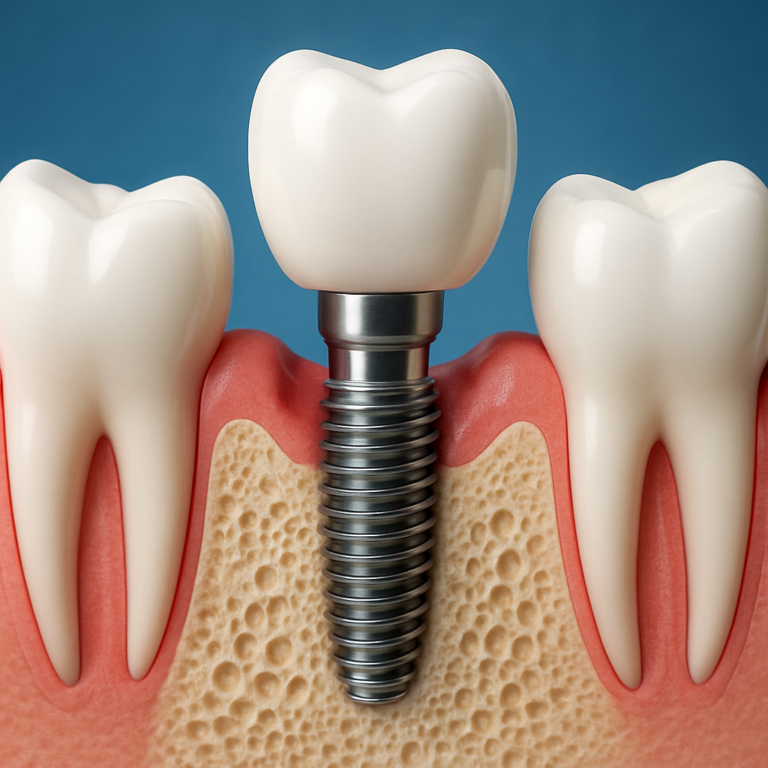
| Dental implant (single tooth) | Surgery + healing + crown | 3–9 months (bone grafts extend timeline) |
| Composite bonding | One appointment, possible polish follow-up | Single visit |
Caveat on same-day promises. Marketing for same-day veneers or instant smile fixes sells convenience but often sacrifices proper mock-ups, provisional testing, or occlusal (bite) verification. Expect a reliable Katy cosmetic dentist to schedule at least one provisional phase for esthetic and functional testing.
Next consideration: At your consultation, insist on a treatment sequence that ties esthetics to function — ask for timelines in weeks or months, not vague promises. If a provider cannot show provisional plans or expected appointment counts, treat that as a red flag and get a second opinion or ask about referrals for complex phases like implants or full mouth reconstruction.
Porcelain veneers and restorative options: types, materials, and candidacy
Porcelain veneers are a powerful cosmetic tool, but they are a treatment choice, not a quick fix. Different materials and preparation strategies change what a dentist can reliably deliver: some options bend toward maximum translucency and life-like color, others toward absolute strength and thinner profiles for minimal-prep cases.
Material trade-offs — what matters in practice
Lithium disilicate (IPS e.max): Best balance of esthetics and predictable bonding. It offers natural translucency and bonds well to enamel when conservative preparation is possible. Clinically, e.max is the workhorse for single-tooth veneers where color control and gentle prep matter.
Zirconia: Superior strength, lower translucency unless layered. Use zirconia when existing tooth structure is limited, when opposing wear or heavy bite forces are a concern, or when you need a thin, strong restoration over a darker substrate.
Feldspathic/stacked porcelain and minimal-prep options (Lumineers style): Excellent surface esthetics but limited by bonding demands and case selection. Minimal-prep veneers preserve enamel but cannot always correct significant alignment or color problems without compromising outcome.
Practical limitation: If there is extensive existing composite, large restorations, or a history of root canal treatment on the tooth, veneers often become crowns. Expect honest recommendations from a competent cosmetic dentist rather than a one-size-fits-all sales pitch.
Candidacy checklist: Healthy gums and controlled decay, sufficient enamel for bonding, stable bite (no untreated bruxism), and realistic goals about shape versus orthodontic correction. When more than minor alignment is present, an orthodontic-first approach preserves tooth structure and improves long-term function.
Concrete example: A 42-year-old patient in Katy arrived with dark, worn upper centrals and mild crowding. The plan chosen was preparatory hygiene and occlusal equilibration, limited Invisalign to move teeth into a better arch form, then four IPS e.max veneers for predictable color and translucency. Composite bonding was presented as an interim, lower-cost option for a same-day aesthetic improvement while the definitive plan progressed.
What patients commonly misunderstand: No-prep veneers are marketed as painless and reversible, but in practice they are frequently chosen where true orthodontic correction would deliver a more durable result. Aesthetic demands should not drive ignoring occlusion and wear patterns — that leads to early failures.
Next consideration: If you value longevity and a natural look, prioritize a dentist who explains material choices, shows lab communication, and includes occlusal testing or provisional phases in the plan rather than pushing same-day permanence.
Teeth whitening options: in-office and at-home systems compared
Two distinct tracks meet most patient needs in Katy: a high-concentration, single-visit chairside treatment for fast results, or a dentist-supervised at-home program for gentler, longer-lasting improvement. Your choice should hinge on speed, sensitivity tolerance, and whether you have restorations that will need shade-matching afterward.
In-office whitening (fast, controlled, higher potency)
What it is: Systems like Philips Zoom or Opalescence Boost use higher-concentration hydrogen peroxide applied chairside with soft-tissue protection and monitoring. Typical result: several shades in a single 45–90 minute appointment. Trade-off: quicker whitening comes with higher short-term sensitivity and a small risk of gingival irritation if isolation is imperfect.
Practical consideration: If you need an immediate improvement for an event, in-office whitening delivers predictable, prompt change — but expect at least one follow-up for touch-up gels or to manage sensitivity. Also plan any veneer or crown work after whitening because restorations do not change color with bleaching.
At-home professional systems (gradual, gentler, maintenance-friendly)
What it is: Custom trays with Opalescence PF (commonly 10 percent carbamide peroxide) or similar take-home formulas worn nightly or for a few hours daily. Outcome: similar cumulative whitening to in-office when used as directed, but spread over 1–2 weeks and with less acute sensitivity for most patients.
Real-world trade-off: At-home trays are better for patients who have mild to moderate staining and want controlled, lower-sensitivity whitening that they can top up periodically. They are not ideal when a single, dramatic shade change is needed immediately.
Common pitfalls people underestimate: Over-the-counter strips and toothpaste rarely match professional products because contact time and peroxide concentration are lower. Intrinsic stains such as long-standing tetracycline discoloration or gray from root canal-treated teeth often respond poorly to bleaching and usually require veneers or bonding — a fact too many patients learn the hard way.
Concrete example: A busy Katy bride used a single Zoom session three days before her wedding and combined it with a short course of desensitizing gel; she achieved a noticeable, reliable lift with manageable sensitivity. By contrast, a patient with decades-old gray staining tried OTC kits for months with minimal change and eventually chose porcelain veneers for a durable, color-stable result.
If you have crowns, veneers, or large composites, whiten first — then plan restorative shade matches. Whitening after placement is not effective for those materials.
Complementary cosmetic procedures at Smile Avenue Family Dentistry
Direct integration matters more than menu breadth. Smile Avenue combines targeted procedures so a single cosmetic goal is solved with the least tooth removal, lowest long-term risk, and predictable maintenance rather than layering unrelated treatments that create future problems.
How procedures are paired in real practice
Strategic sequencing reduces rework. In practical terms that often means alignment first with Invisalign when spacing or angulation will affect final contours, then whitening to set the target shade, followed by conservative bonding or porcelain work such as veneers. Skipping that order increases the chance of mismatched shades, over-prepped teeth, or short-lived restorations.
- Invisalign + Whitening: When minor alignment affects smile symmetry, move teeth first. Invisalign preserves enamel and often reduces the number of veneers required.
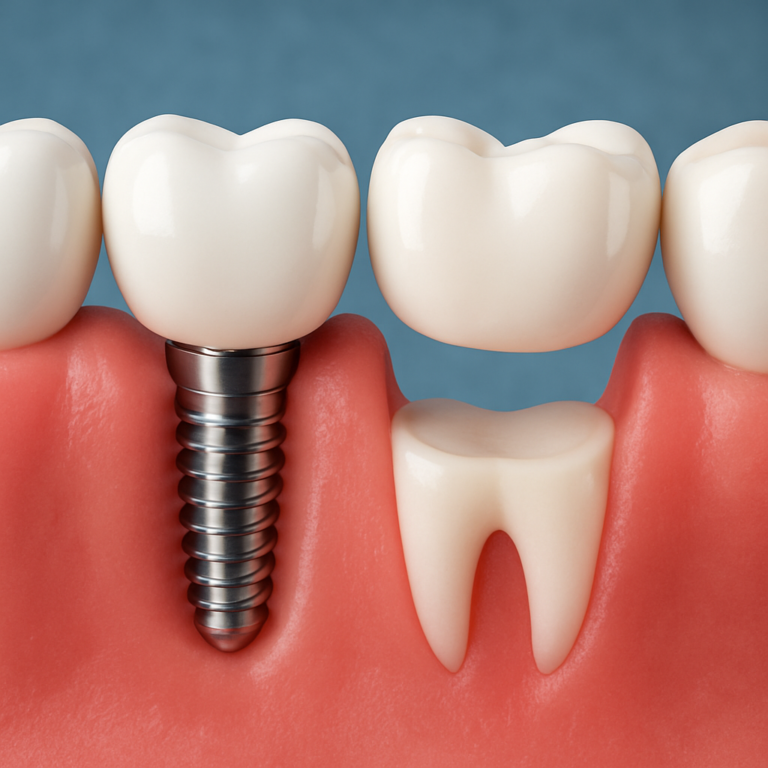
- Dental Implants for single missing teeth: Implants replace roots and prevent bone loss; the implant crown is matched to adjacent veneers or crowns—see dental implants for surgical coordination and referral pathways.
- Composite bonding as stopgap: Fast, cost-effective, and conservative, but it stains faster than porcelain and will need touch-ups every few years.
- Gum contouring: Used to balance tooth proportions before final restorations; failing to address gingival asymmetry makes even excellent veneers look off.
Realistic trade-off: If you want the least invasive route, expect longer timelines (orthodontics + whitening + selective veneers). If you want fastest cosmetic change, expect more tooth reduction and higher long-term maintenance. Both approaches are valid — the right one depends on bite, enamel availability, and patient tolerance for future upkeep.
Concrete example: A patient with a congenitally missing lateral incisor and a slightly rotated adjacent tooth was treated with a staged plan: minor tooth movement with Invisalign to open ideal implant space, implant placement using a proven system, provisional crown to shape the gum, then a final ceramic crown matched to an IPS e.max veneer on the adjacent central incisor. The project took about six to nine months but avoided aggressive prepping of surrounding teeth and produced a stable, color-stable result.
Judgment call most dentists should make but don’t always voice: Opting for composite bonding to save money feels attractive up front but often shifts cost to repeated maintenance. For patients who want a low-maintenance final outcome, investing in porcelain restorations after proper sequencing usually pays off in fewer visits and less cumulative cost.
Next consideration: Discuss sedation options and pediatric-friendly approaches if anxiety or family coordination is a factor; Smile Avenue offers family cosmetic dentist services and financing guidance—ask about CareCredit at your consultation.
How to choose the right cosmetic dentist in Katy: questions to ask and what to expect at your consultation
Straight to the point: the consultation is where marketing separates from clinical judgment — you should leave with a clear sequence, realistic timeline, and a written estimate, not a hard sell. If a provider promises instant perfection without digital mock-ups, provisional testing, or a plan for bite and gum health, treat that as a warning sign when searching for a cosmetic dentist katy tx.
Questions to bring — a practical checklist
- Credentials and experience:Which dentists will do the cosmetic work and what specific training or cases have they completed in aesthetic dentistry?
- Before-and-after access:Can I see unedited cases with similar issues to mine, including full-mouth views and long-term follow up photos?
- Digital workflow and lab partners:Do you use intraoral scans, digital smile design, and which dental lab or ceramist fabricates your veneers and crowns?
- Provisional and testing policy:Will I get a mock-up or provisional restoration to test shape, function, and color before final cementation?
- Materials and alternatives:What materials do you recommend (IPS e.max, zirconia, porcelain, composite) and why for my case?
- Occlusion and parafunction handling:How will bite, wear, or bruxism be assessed and protected (nightguard, equilibration)?
- Warranty and repair:What is the policy if a veneer chips or a bonded tooth stains? Is follow up included or billed separately?
- Sequencing and timeline:If orthodontics, whitening, or implants are needed, what is the recommended order and approximate calendar?
- Costs and financing: Get a written estimate with phases. Ask about insurance handling for restorative portions and financing options like CareCredit.
- Pain and sedation options:What anesthesia or sedation is available for anxious patients or complex visits?
- Emergency/repair access:Who handles same-day repairs if a veneer or crown fractures after placement?
- References and patient reviews:Can you provide local patient references or online reviews for cosmetic cases similar to mine?
What to expect during the visit: Most solid consultations take 45–75 minutes. Expect a focused oral exam, digital photos or intraoral scanning, a bite check, and a walk-through of 2–3 viable treatment sequences with pros/cons and a phased cost breakdown. A good dentist will offer a provisional mock-up or digital mock image to preview outcomes rather than promising an image-perfect result on day one.
Practical trade-off to weigh: Faster cosmetic routes (same-day veneers, aggressive prepping) reduce chair time but increase long-term risk and maintenance. Conversely, phased approaches that include minor orthodontics or provisional testing take longer and cost more up front but usually reduce rework and extend restoration life.
Concrete example: A patient with stained, slightly crowded front teeth attended a consult at Smile Avenue – Katy location. The dentist scanned the arches, showed a digital mock-up, recommended short-course Invisalign to correct alignment, then whitening and two IPS e.max veneers. The clinic provided a phased estimate and a provisional plan so the patient could finance the work and see the mock-up before finalizing.
Patient stories, expected outcomes, and next steps in Katy
Real-world note: patients who search for a cosmetic dentist katy tx often underestimate the practical trade-offs between speed, durability, and maintenance. A faster route—same-day bonding or aggressive prep for veneers—gets you an instant smile but usually increases follow-up visits and long-term costs. In contrast, staged plans that include movement, whitening, and provisional testing take longer but reduce rework and protect tooth structure.
Patient vignette 1 — Teen: bonding plus take-home whitening
Case: a 16-year-old with small incisal chips and surface staining wanted a low-impact fix before senior photos. The team performed conservative dental bonding and issued a dentist-supervised take-home whitening kit for nightly wear. Outcome and trade-off: immediate improvement with minimal enamel removal, but expect periodic polishing and touch-ups because bonded resin stains faster than porcelain—useful when you need a quick, affordable result.
Patient vignette 2 — Adult: Invisalign then porcelain veneers
Case: a 38-year-old with uneven spacing and long-standing discoloration elected short-course Invisalign to align the front teeth, then in-office whitening followed by four porcelain veneers (IPS e.max). Outcome and consideration: final restorations required less tooth reduction because alignment improved first; the smile is more predictable and easier to match to adjacent teeth. The trade-off is time and upfront cost, but repairs and color stability are markedly better than choosing bonding alone.
Expected results and maintenance: For whitening you should expect noticeable shade lift within days for chairside systems and more gradual improvement for take-home trays; restorations like veneers deliver a color-stable surface but are not immune to edge wear or trauma. Plan routine hygiene every three to six months, annual shade checks if you whiten, and a nightguard if you clench. If bonding stains or chips, expect simple in-office repairs every few years; if a veneer fails, replacement is more involved.
- First practical step: Gather recent photos of your smile and any prior dental x-rays so the dentist can review before your visit.
- Schedule a consult: Book at Smile Avenue – Katy and request a digital mock-up and phased estimate showing timelines and appointment counts.
- Ask specifically: Which materials are proposed (for example IPS e.max or layered zirconia), what provisional testing will be done, and who will handle emergency repairs.
- Finance and timing: Confirm financing such as CareCredit and get calendar windows for orthodontics or implant healing so you can plan work or travel.
Certain misunderstandings matter in practice: many patients assume whitening will fix every discoloration or that bonding lasts as long as porcelain. Those are convenient myths. A candid cosmetic dentist will show you alternatives, explain likely retreatment intervals, and offer a phased plan tailored to your tolerance for upkeep. If a proposal skips provisional testing or refuses to discuss occlusion, pause and get a second opinion.
Next consideration: decide whether you value speed or long-term low-maintenance results—then schedule a consultation at Smile Avenue – Katy to get a phased, written plan that aligns with that priority.