What is the most common bacteria in mouth infection?
Mouth problems can start small—an irritated gum, a sore spot, a white patch—and then quietly worsen. When people search for common mouth infections, they’re usually trying to understand what’s happening, which germs are involved, and when symptoms mean it’s time to see a dentist or doctor. The good news: many of the most frequent oral infections are preventable, and most respond well when treated early.
What are common mouth infections?
Definition: “mouth infection” vs “oral infection”
A mouth infection (often used interchangeably with “oral infection”) is an illness caused by germs—most commonly bacteria, viruses, or fungi/yeast—that affect tissues inside the mouth. These infections can involve the teeth, gums, tongue, and other soft tissues such as the inner cheeks and roof of the mouth.
In everyday language, “common mouth infections” may include conditions like cavities (tooth decay), gum disease, thrush, viral mouth illnesses (such as HFMD and herpangina), and painful ulcers. Some lesions are infectious, while others are caused by irritation or immune reactions, which is why an accurate diagnosis matters.
Dental professionals often separate infections by the type of germ and the location in the mouth. For example, tooth decay is typically driven by bacterial activity on tooth surfaces, while thrush is related to yeast overgrowth. Viral conditions tend to cluster in households and schools because the viruses spread easily.
Why oral infections are common across ages
Oral infections are common because the mouth is a warm, moist environment with constant exposure to food, saliva, and microbes. Risk also changes with age: children may be more likely to experience viral illnesses, while adults more often face bacterial problems such as gum inflammation and cavities.
In older adults, the risk of thrush and other yeast-related issues can increase due to factors like dry mouth, medication use, and changes in immunity. Even when symptoms begin mildly—like slight gum bleeding or a small white patch—they can worsen without treatment because the underlying cause remains active.
- Kids: viral mouth illnesses (HFMD/herpangina) are common, especially in daycare and school settings.
- Adults: cavities and gum disease are frequently driven by plaque buildup and diet patterns.
- Older adults: dry mouth, dentures, and medication effects can raise thrush risk.
When oral infections can become serious
Many mouth infections stay localized, but some can progress if they are left untreated. For example, gum disease can move from gingivitis (inflammation of the gumline) to periodontal disease that affects deeper supporting tissues below the gumline.
Another escalation pathway involves bacterial spread from a tooth into surrounding tissues, leading to a dental abscess. Abscesses can cause severe pain, swelling, and sometimes fever, and they may require urgent dental care to prevent complications.
Severe untreated infections can also pose broader health risks. While most people do not develop life-threatening complications, studies and clinical experience suggest that significant oral infections can contribute to systemic inflammation, and in rare cases severe infections can spread beyond the mouth.
Common mouth infections: the most frequent types (and who they affect)
Dental caries (cavities)
Dental caries, commonly called cavities, are among the most frequent oral infections in both children and adults. Cavities form when bacteria on teeth convert sugars and starches into acids that slowly weaken enamel and dentin.
One of the best-known cavity-causing bacteria is Streptococcus mutans. This bacterium can thrive when sugary or sticky foods are eaten frequently, because frequent sugar exposure provides repeated “fuel” for acid production.
Diet patterns matter as much as total sugar. For instance, sipping sweet drinks throughout the day or snacking on sticky carbohydrates can keep the mouth’s pH low for longer, increasing the chance of enamel damage. Your dentist may recommend fluoride toothpaste and professional fluoride treatments, especially for higher-risk patients.
Gingivitis and periodontal disease
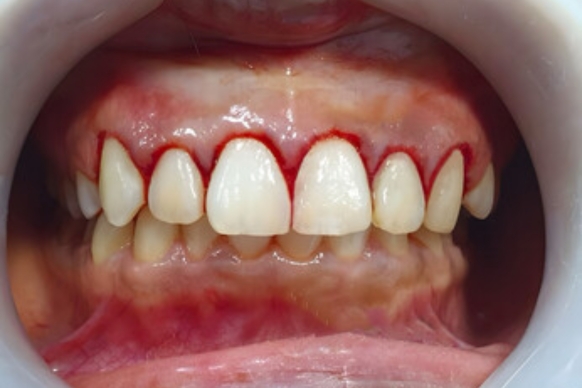
Gingivitis is early gum inflammation caused by plaque bacteria and their toxins. A key sign is bleeding gums—for example, when brushing or flossing—along with redness, swelling, and tenderness at the gumline.
If gingivitis is not addressed, it can progress to periodontal disease (also called periodontitis). Periodontal disease involves changes below the gumline, including the formation of pockets where plaque and bacteria can collect, gum recession, and in more advanced cases, bone loss.
Periodontal disease can be chronic, meaning it may flare up and then partially improve, but the underlying infection risk remains. Dental professionals often use gentle probing measurements and X-rays to assess depth, bone levels, and whether periodontal therapy is needed.
Thrush (oral candidiasis) and other yeast-related issues
Thrush, or oral candidiasis, occurs when Candida albicans (a yeast that can live in the mouth) overgrows. This overgrowth is usually triggered by conditions that disrupt the normal balance of microbes or reduce immune defenses.
Common triggers include antibiotic use, a weakened immune system, diabetes, inhaled corticosteroids (especially if the mouth isn’t rinsed after use), and dry mouth. Dentures and mouthguards can also act as reservoirs for yeast if they are not cleaned thoroughly.
Typical thrush appearance includes white, curd-like plaques on the inner cheeks, tongue, roof of the mouth, or back of the throat. Soreness is common, and some people experience difficulty swallowing or a burning sensation, which can affect eating and hydration.
Viral common mouth infections in children (HFMD and related conditions)
Hand, Foot, and Mouth Disease (HFMD)
Hand, Foot, and Mouth Disease (HFMD) is a viral mouth infection that most often affects toddlers and school-aged children. It is commonly associated with Coxsackie A16 (and sometimes other enteroviruses), and outbreaks are common in daycare and classrooms.
HFMD often begins with mild symptoms such as fever, reduced appetite, and a sore throat. After a short timeline—often within a couple of days—small, slightly painful blisters may appear inside the mouth (cheeks and tongue) and on the hands and feet.
Blisters can also appear on the palms and soles, and in some cases on the buttocks. Most children improve within about 3–5 days, but contagiousness can persist while symptoms are present and sometimes briefly after.
Herpangina
Herpangina is another viral mouth illness that is closely related to HFMD. It most frequently affects children aged 3–10, and it often shows a seasonal pattern, with more cases in summer and fall.
Symptoms typically start with fever, sore throat, and trouble swallowing. Within a short period, tiny blisters form at the back of the mouth, and as they break down, they can become ulcers that make swallowing even more uncomfortable.
In many cases, herpangina resolves in about 3–5 days. Because pain can reduce fluid intake, clinicians often emphasize hydration and comfort measures to prevent dehydration.
Contagion and school/daycare considerations
Viral mouth infections spread easily through close contact, respiratory droplets, and contact with blister fluid or contaminated surfaces. This is one reason outbreaks can spread quickly in classrooms, where children share toys and have close physical proximity.
Hygiene helps reduce transmission, but it doesn’t eliminate risk. Dental and medical guidance often focuses on symptom improvement, handwashing, and limiting close contact when a child is actively unwell.
- Encourage frequent handwashing, especially after using the bathroom and before eating.
- Clean and disinfect shared surfaces and toys when possible.
- Limit close contact if a child has fever or is too uncomfortable to participate.
Return-to-school timing varies by local policies and clinician advice. In general, children may be able to return when fever has improved and they can eat/drink comfortably, but parents should follow guidance from the child’s healthcare provider and the school’s rules.
Mouth ulcers and lesions: canker sores, oral herpes, and irritation-related sores
Canker sores (aphthous ulcers)
Canker sores, also called aphthous ulcers, are painful lesions that can appear on the inner lips, cheeks, tongue, or gums. The exact cause is often unknown, but triggers are commonly linked to the immune system and inflammation.
Possible triggers include stress, hormonal changes, vitamin or immune-related factors, and food hypersensitivities. Some people notice that certain acidic or spicy foods worsen symptoms, and avoiding those triggers can reduce irritation.
Most canker sores heal on their own within about 10–14 days. However, persistent, very large, or unusually frequent sores may require evaluation to rule out other conditions and to confirm the diagnosis.
Oral herpes (cold sores/HSV)
Oral herpes, commonly known as cold sores, is caused by the herpes simplex virus (HSV). Many adults carry HSV, often without knowing it, and outbreaks can be triggered by stress, illness, sun exposure, or immune changes.
Cold sores typically follow a recognizable course: fluid-filled blisters appear on the lips or sometimes inside the mouth, then they rupture and form scabs. Outbreaks often last about 1 week to 10 days, though timing can vary.
During the first infection, some people experience flu-like symptoms, such as fever, fatigue, and swollen lymph nodes. Because HSV is contagious, avoiding kissing and sharing utensils during outbreaks is important to reduce transmission.
Other lesion patterns that can mimic infections (briefly)
Not every sore that looks “infectious” is caused by bacteria or viruses. Irritation from sharp teeth, aggressive brushing, poorly fitting dentures, or biting trauma can create ulcers that resemble infections.
Some persistent white or red patches may be linked to conditions that are not simple infections. For example, leukoplakia and lichen planus are conditions that can present as unusual mouth changes and may require evaluation, especially if they persist.
The key takeaway is that diagnosis matters. If a lesion lasts longer than expected, keeps recurring, or changes in appearance, dental professionals may recommend an exam to confirm what’s happening and whether treatment is needed.
Causes of common mouth infections (what sets them off)
Bacteria overgrowth and plaque biofilm
The mouth naturally contains many microbes, but problems arise when harmful bacteria overgrow and form plaque biofilm. Plaque bacteria can produce toxins that irritate gum tissue and contribute to inflammation, while cavity-causing bacteria generate acids that weaken tooth enamel.
Diet can accelerate these processes. Frequent sugar exposure—especially sugary drinks and sticky snacks—provides repeated acid attacks on teeth. Poor oral hygiene leaves plaque in place longer, giving bacteria more time to multiply and produce damaging byproducts.
- Brush twice daily with fluoride toothpaste to reduce plaque buildup.
- Floss daily to disrupt plaque between teeth where brushes can’t reach.
- Limit frequent snacking and choose water over sugary beverages.
Viruses and immune factors
Viral mouth infections like HFMD and herpangina spread through communities and tend to cluster in kids because of close contact and shared environments. Outbreaks are common in daycare and school settings, and symptoms often follow a predictable pattern.
Immune factors also influence whether infections take hold. For thrush, disruption of the oral microflora—often from antibiotics or inhaled steroids—can allow yeast to overgrow even when the person is otherwise healthy.
When immunity is reduced, the mouth’s microbial balance can shift. This is why clinicians may ask about medical history, medications, and conditions such as diabetes when evaluating persistent white patches or recurring sores.
Risk factors that increase likelihood or severity
Some people are more likely to experience common mouth infections due to lifestyle, health conditions, or medication effects. Smoking and heavy alcohol use can affect gum health and healing, while diabetes can increase susceptibility to infections.
Medications can also play a role. Antibiotics may disrupt normal bacteria that help keep yeast in check, and inhaled corticosteroids can increase thrush risk if the mouth isn’t rinsed after inhaler use.
Dry mouth is another major risk factor because saliva helps buffer acids and clears microbes. Dentures, mouthguards, and retainers can become reservoirs for yeast if they aren’t cleaned properly.
- Smoking/alcohol: can worsen gum inflammation and healing.
- Diabetes: may increase infection risk and severity.
- Antibiotics/inhaled steroids: can disrupt oral microflora.
- Dry mouth: reduces natural protection.
- Dentures/mouthguards: need consistent cleaning to reduce yeast buildup.
Symptoms of common mouth infections (how to recognize them early)
Gum and tooth infection signs
Early gum infection signs often show up as bleeding when brushing or flossing. Gingivitis may also cause gums to look red, swollen, or tender, and some people notice a persistent bad taste or mild discomfort at the gumline.
Tooth infection symptoms can be more obvious. Cavities may cause toothache triggered by sweets, cold air, or hot foods, and pain can worsen as decay progresses toward the nerve.
In some cases, a foul taste or lingering bad breath may accompany gum disease. Your dentist may also check for signs of infection under the gumline or around the tooth, especially when symptoms don’t match typical sensitivity.
Thrush and fungal infection signs
Thrush often appears as white or creamy patches on the inner cheeks, tongue, roof of the mouth, or the back of the throat. These patches may look like curd-like material, and they can be associated with soreness, burning, or a change in taste.
Some people experience difficulty swallowing, especially if the throat is involved. Because thrush can be uncomfortable enough to reduce eating and drinking, it can indirectly affect hydration and overall wellbeing.
Persistent bad breath can have multiple causes, including gum disease, dental abscesses, or thrush. If white patches don’t clear with basic oral care, a clinician may recommend an exam to confirm whether yeast is the cause.
Viral mouth infection signs and lesion patterns
Viral illnesses often begin with systemic symptoms before the mouth lesions appear. HFMD and herpangina commonly start with fever and sore throat, followed by blisters or ulcers in characteristic locations.
In HFMD, blisters may appear inside the mouth and on the hands and feet. In herpangina, lesions often form at the back of the mouth and can become ulcers that make swallowing difficult.
Oral herpes has a different pattern: fluid-filled blisters on the lips or inside the mouth that rupture and form scabs. Recognizing these patterns can help families decide whether supportive care is appropriate or whether medical evaluation is needed.
Treatment options for common mouth infections (what to do next)
Home care vs professional care (triage)
For mild viral mouth illnesses, supportive care is often the main approach. Hydration, soft foods, and comfort measures can help children and adults manage pain while the body clears the infection.
However, self-treatment is not always appropriate when the diagnosis is unclear. If symptoms suggest a bacterial problem—such as worsening tooth pain, swelling, or pus—professional evaluation is important because antibiotics or dental treatment may be needed.
Seek urgent care when symptoms are severe or rapidly worsening. Dental professionals typically recommend prompt assessment for fever, spreading swelling, trouble swallowing, or suspected abscess, since these can escalate quickly.
Dental treatment pathways
For cavities, treatment usually involves an exam and restoring the tooth if decay has progressed. Early detection can prevent the need for more extensive procedures by stopping decay before it reaches deeper layers.
For gingivitis and periodontal disease, professional cleaning and periodontal therapy may be recommended. Periodontal disease can be chronic, so treatment often includes ongoing maintenance to control inflammation and reduce pocket depth.
Your dentist may also discuss risk reduction strategies tailored to the patient, such as improved home care techniques, fluoride recommendations, and addressing factors that worsen gum health.
Medication and clinical management (by type)
Thrush is typically treated with antifungal medication when indicated, especially if patches persist or symptoms are significant. Clinicians also address triggers such as antibiotic use, inhaled steroid technique, diabetes control, and dry mouth management.
For oral herpes and canker sores, treatment often focuses on symptom relief. Prescription options may be considered for recurrent or severe cases, and numbing gels or anti-inflammatory approaches may help reduce pain.
For viral illnesses like HFMD and herpangina, supportive care is usually emphasized. Hydration and comfort measures are key, and medical professionals may advise specific strategies to manage fever and pain safely.
Prevention of common mouth infections (daily habits that reduce risk)
Oral hygiene routine that targets plaque and bacteria
Prevention starts with disrupting plaque biofilm before it can drive inflammation and decay. Brushing twice daily with fluoride toothpaste helps strengthen enamel and reduce cavity risk, while daily flossing removes plaque between teeth.
Many people overlook the tongue, but tongue cleaning can help reduce microbial load and improve breath. Dentists may recommend gentle tongue brushing or a tongue scraper as part of a routine.
If dentures, mouthguards, or retainers are used, consistent cleaning is essential. Keeping these appliances free from residue can reduce the chance of yeast overgrowth and irritation.
Diet and lifestyle prevention
Diet plays a major role in cavity prevention. Reducing frequent sugar exposure—especially sugary drinks and sticky snacks—helps limit acid attacks on teeth.
Choosing water, eating balanced meals, and limiting “grazing” throughout the day can reduce the time teeth spend in a low-pH environment. For gum health, avoiding tobacco and moderating alcohol can support healthier tissue and better healing.
Small changes can add up. For example, having sweets with meals rather than as frequent snacks may reduce the frequency of acid challenges.
Maintenance and early intervention
Regular dental visits support early detection, which is one of the best ways to prevent common mouth infections from becoming more serious. Many dental professionals recommend check-ups and cleanings about every 6 months, though intervals may vary based on risk.
Knowing when to seek care early can prevent complications. Bleeding gums, persistent mouth sores, recurring thrush, and pain that doesn’t improve should prompt an evaluation rather than waiting it out.
Early intervention also helps avoid more invasive treatments later. When issues are caught sooner—like early gum inflammation or early enamel changes—treatment is often simpler and more comfortable.
When to seek urgent care (red flags for oral infections)
Emergency dental symptoms
Some mouth infection symptoms require urgent evaluation. Severe tooth pain, swelling of the face or jaw, pus, fever, foul taste, and trouble swallowing or breathing are all red flags.
Suspected dental abscesses can worsen quickly, and delaying care can increase discomfort and risk. If symptoms are rapidly escalating, urgent dental or medical assessment is recommended.
In children, dehydration risk becomes a concern when swallowing is painful. Medical professionals may prioritize hydration and pain control while arranging evaluation of the source.
“Not improving” timelines
Even when a condition seems minor, lack of improvement can signal that the cause is not resolving. Canker sores typically heal within about 10–14 days, so persistent sores beyond that window may need evaluation.
Thrush that keeps returning or doesn’t respond to initial measures may indicate an ongoing trigger such as uncontrolled diabetes, medication effects, or inadequate denture hygiene. Oral herpes outbreaks usually improve within about 1–10 days, so prolonged symptoms should be checked.
Dental professionals may also consider whether a lesion is something other than a simple infection, especially if it is persistent, changing, or associated with unusual patches.
Special populations needing faster evaluation
Some groups should be assessed more quickly because complications can develop faster. Children who cannot drink enough due to painful swallowing may need prompt medical guidance to prevent dehydration.
People with weakened immune systems, diabetes, or those undergoing cancer therapy may be at higher risk for severe infections. In these cases, clinicians often recommend earlier evaluation rather than waiting for symptoms to “run their course.”
When in doubt, a faster appointment can reduce uncertainty and improve comfort. Your dentist or physician can determine whether supportive care is enough or whether targeted treatment is needed.
Comparison: common mouth infections at a glance
Table: type, cause, typical symptoms, and typical duration
| Type | Likely cause (bacteria/virus/yeast) | Key signs | Who it affects most | Typical course | See a dentist/doctor if… |
|---|---|---|---|---|---|
| Dental caries (cavities) | Bacteria (e.g., Streptococcus mutans) | Tooth sensitivity or pain with sweets/cold/hot; visible holes or dark spots | Children and adults | Progresses over time without treatment | Pain increases, food gets stuck, or decay is suspected |
| Gingivitis | Bacteria in plaque biofilm | Bleeding gums, red/swollen gums, tenderness | Teens through adults | Can improve with cleaning, but may progress if untreated | Bleeding persists or gums worsen |
| Periodontal disease | Bacteria below gumline | Pocketing, gum recession, possible loose teeth, ongoing bad breath | Adults, higher risk with age | Chronic; flares can occur | Gums recede, teeth feel loose, or bone loss is suspected |
| Thrush (oral candidiasis) | Yeast (Candida albicans) | White/curd-like plaques, soreness, burning, difficulty swallowing | Older adults, babies, people on antibiotics/steroids | Varies; improves with antifungal treatment and trigger control | Persistent patches, recurrent thrush, or difficulty swallowing |
| HFMD | Viruses (often Coxsackie) | Fever/sore throat → mouth blisters; hand/foot rash or blisters | Toddlers and school-aged children | Often ~3–5 days | Dehydration risk, severe symptoms, or worsening fever |
| Herpangina | Viruses (related enteroviruses) | Fever, sore throat, trouble swallowing → back-of-mouth blisters/ulcers | Children 3–10 | Often ~3–5 days | Can’t drink fluids, persistent high fever, severe pain |
| Canker sores (aphthous ulcers) | Immune/inflammation-related (often not infectious) | Painful round/oval ulcers; triggers may include stress or food sensitivity | Teens through adults | About 10–14 days | Very large, frequent, or not healing within expected timeframe |
| Oral herpes (cold sores/HSV) | Virus (HSV) | Fluid-filled blisters on lips/mouth → scabs; may include flu-like symptoms first time | Many adults; outbreaks vary | Often ~1–10 days for outbreaks | Severe outbreaks, eye involvement, or symptoms lasting too long |
Table: “most common signs” by location in the mouth
| Location | Common signs | Possible differentials (not everything is an infection) |
|---|---|---|
| Gums | Bleeding with brushing, redness, swelling, tenderness | Gingivitis/periodontal disease; irritation from aggressive brushing; vitamin deficiencies |
| Teeth | Sensitivity, toothache with hot/cold/sweets; lingering pain | Caries; cracked tooth; sinus-related discomfort (upper teeth can mimic sinus issues) |
| Tongue / roof / inner cheeks | White/curd-like plaques; soreness or burning | Thrush; irritation from dental appliances; persistent patches that need evaluation |
| Back of throat | Blisters/ulcers after fever and sore throat | Herpangina; other viral sore throat illnesses |
| Lips / outer mouth | Fluid blisters → scabs | Oral herpes; contact irritation from products |
Frequently Asked Questions
What are the most common mouth infections in adults?
In adults, the most common mouth infections are typically cavities (dental caries), gingivitis and periodontal disease, and thrush in people with risk factors like dry mouth, diabetes, or medication effects. Gum inflammation often shows up as bleeding during brushing, while cavities may cause sensitivity or toothache.
Older adults may be more prone to yeast-related issues, especially when dentures are worn or when inhaled corticosteroids are used.
Are common mouth infections contagious?
Some are contagious, especially viral infections like HFMD, herpangina, and oral herpes. These viruses can spread through close contact, respiratory droplets, and contaminated surfaces.
Bacterial gum and tooth infections are not typically contagious in the same way viruses are, but they can share risk factors within families (like diet and oral hygiene habits).
How long do common mouth infections last?
Many viral mouth infections improve quickly. HFMD and herpangina often resolve in about 3–5 days, while canker sores typically heal in 10–14 days.
Oral herpes outbreaks often last about 1–10 days, depending on the person and the severity. Thrush duration varies based on whether antifungal treatment is used and whether triggers (like antibiotics or dry mouth) are addressed.
Can antibiotics cause mouth infections like thrush?
Yes. Antibiotics can disrupt normal oral microflora by reducing beneficial bacteria, which can allow Candida to overgrow and cause thrush.
Inhaled corticosteroids can also contribute to thrush risk, particularly if the mouth isn’t rinsed after use.
What does thrush look like, and how is it different from other mouth sores?
Thrush often looks like white or creamy curd-like patches on the inner cheeks, tongue, roof of the mouth, or back of the throat. It is usually associated with soreness and may cause difficulty swallowing.
Unlike irritation-related ulcers, thrush patches may appear more widespread and persistent. Persistent white patches should be evaluated to confirm the cause.
When should I see a dentist for a mouth infection?
Schedule a dental visit promptly if there is severe pain, swelling, pus, fever, foul taste, or trouble swallowing. Also seek care if symptoms are not improving within expected timelines or if a sore keeps recurring.
For children, seek evaluation sooner if painful swallowing limits drinking and raises dehydration risk.
What’s the best way to prevent cavities and gum infections?
The most effective prevention combines fluoride brushing, daily flossing, and reducing frequent sugar exposure. Regular dental check-ups and cleanings help detect early changes before they become painful.
Additional helpful steps include tongue cleaning and maintaining proper hygiene for dentures and mouthguards.
Can stress cause mouth infections or ulcers?
Stress is a known trigger for canker sores and can indirectly affect oral health by influencing immune function and daily habits like sleep and brushing. However, stress is not usually the direct cause of bacterial infections like cavities.
Stress may increase susceptibility, but the underlying germs and local factors (plaque, diet, dry mouth) still play a major role.
If symptoms suggest a common mouth infection—or if there’s uncertainty about what a sore or patch might be—an in-person exam is the safest next step. Scheduling a consultation with your dental team can help confirm the cause, start the right treatment, and prevent complications. Our team at Smile Avenue Family Dentistry can guide you toward the most appropriate care based on what’s seen in the mouth.