Effortless Techniques: Discover How to Safely Extract a Loose Tooth at Home
Losing a tooth can feel exciting—until the moment you wonder how to pull out a loose tooth without pain. The safest “painless” approach usually isn’t about force; it’s about letting the tooth detach naturally when the body is ready, then using gentle, controlled help only when it’s truly dangling. This guide walks through readiness signs, safer at-home options, and clear stop rules so gums stay protected and healing goes smoothly.
What “how to pull out a loose tooth without pain” really means (and when to avoid DIY)
Natural detachment vs. forced removal
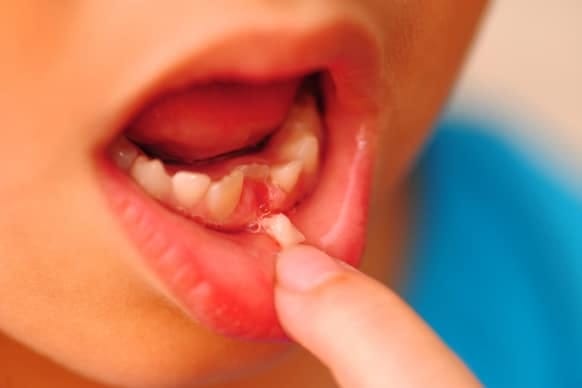
When people search for how to pull out a loose tooth without pain, they’re often hoping for a process that feels quick, minimal, and low-stress. In most cases, “painless” means the root has already begun to dissolve and the tooth can come out with little effort—sometimes it practically falls out on its own.
Forced removal is different. If a tooth still resists, applying extra pulling or twisting can increase pain, cause more bleeding, and irritate the gum tissue that’s still healing. It can also raise the risk of damaging the tissues that support the permanent tooth underneath (especially with baby teeth).
- Natural detachment: gentle wiggle, minimal discomfort, tooth moves freely.
- Forced removal: sharp pain, resistance, bleeding that won’t slow down, or the tooth feels “stuck.”
Who this guide is for (baby teeth vs. adult teeth)
This article is primarily aimed at the common scenario of a loose baby tooth (primary tooth) that’s ready to fall out. Most at-home “tooth loss” moments happen during mixed dentition, when permanent teeth are developing underneath and baby tooth roots gradually resorb.
Adult loose teeth are a different situation. In adults, looseness often points to gum disease, bone loss, infection, trauma, or an untreated dental problem. Because the cause matters, dental professionals generally recommend evaluation rather than trying to pull an adult tooth at home.
Quick safety rule: stop conditions
Even with a baby tooth, the safest approach is to stop immediately if the tooth doesn’t behave like it’s ready. “Gentle encouragement” should never turn into repeated attempts, because each extra try can traumatize the gum and prolong soreness.
Stop conditions include:
- Sharp pain (not just mild tenderness).
- Significant resistance when wiggling or gripping.
- Heavy bleeding or bleeding that doesn’t slow with gentle pressure.
- Swelling, warmth, or increasing redness around the tooth.
- The tooth seems stuck or anchored by tissue rather than moving freely.
Why loose teeth become loose (causes behind painless tooth loss)
Baby tooth root resorption (the normal process)
For baby teeth, looseness is usually part of a normal developmental sequence. As a permanent tooth forms underneath, it helps guide the process where the baby tooth root begins to resorb (dissolve) over time.
As the root shortens and the ligament attachment weakens, the tooth becomes more mobile. Some teeth loosen gradually over weeks, while others become very wiggly quickly—timing varies from child to child.
Factors that affect timing and looseness
Even when the process is normal, the speed can differ. Genetics, oral habits, and local irritation can influence how quickly a tooth becomes ready to detach. For example, a tooth that’s repeatedly bumped or exposed to inflammation may loosen differently than one that’s untouched.
During the mixed dentition stage (commonly around ages 6–12), children often have both baby and permanent teeth present. It’s common for multiple teeth to loosen around the same time, which can make it feel like “everything is happening at once.”
- Genetics: affects root resorption timing and jaw development.
- Oral habits: thumb sucking, nail biting, or frequent chewing on hard objects can alter comfort and mobility.
- Dental hygiene: gentle brushing and flossing help keep gums calm and reduce inflammation.
- Local irritation: a sore gum area can make a tooth feel more tender even if it’s not ready.
When looseness isn’t normal
Loose adult teeth—or baby teeth that loosen unusually early or suddenly—can signal something beyond normal development. Red flags include persistent pain, pus, a bad taste/odor, or gum swelling that doesn’t improve.
In adults, looseness is often associated with gum disease. Studies suggest that periodontal (gum) issues affect a large portion of adults worldwide, and the risk increases with age and untreated inflammation. When looseness is paired with bleeding gums, gum recession, or discomfort, professional assessment is the safer next step.
- Trauma: a tooth that became loose after an injury may need evaluation.
- Infection: swelling, fever, or pus can indicate an abscess.
- Gum disease: bleeding, deep pockets, or chronic bad breath may be involved.
Signs your tooth is ready to come out (so you can minimize pain)
Mobility and comfort indicators
A tooth that’s truly ready usually moves freely without causing distress. The best sign is mobility in multiple directions—side-to-side and slightly up-and-down—while the child or adult can tolerate gentle contact.
Comfort matters as much as movement. Mild tenderness can be normal, but pain that makes wiggling unpleasant is a sign to pause and let time do the work.
- Ready: tooth moves easily, minimal tenderness, gum looks mostly normal.
- Not ready: tooth feels anchored, pain increases with touch, or movement is limited.
Visual cues (including “shark teeth” risk)
Sometimes the permanent tooth edge becomes visible behind or beneath the baby tooth. A white edge poking through can be a reassuring sign that the replacement tooth is erupting, and the baby tooth may be nearing the end of its timeline.
However, there’s an important caution: if the permanent tooth erupts before the baby tooth falls out, it can create a “shark teeth” appearance. In many cases, this resolves naturally, but dental professionals may recommend an exam to confirm the eruption path and ensure the bite develops correctly.
- Helpful cue: a visible permanent tooth edge with the baby tooth already very mobile.
- Extra check: “shark teeth” where the new tooth is clearly in front while the baby tooth remains firmly attached.
Gum condition checks
Gums around a ready-to-fall tooth are often slightly tender but not severely inflamed. Gentle brushing and normal daily care should not cause intense pain, and the gum color should not look dramatically swollen or angry.
Excessive redness, a puffy gum “bubble,” or worsening tenderness suggests irritation or infection. In those situations, pulling at home can worsen the problem and delay healing.
- Normal-ish: mild tenderness, slight gap near the gum line, minimal swelling.
- Concerning: increasing redness, swelling, or a gum bump that looks like it’s inflamed.
Preparation for a safer, less painful attempt at home
Clean hands and sterile materials
Preparation is one of the biggest factors that affects comfort and healing. Wash hands thoroughly with soap and water, and keep the area calm and well-lit so the tooth isn’t handled repeatedly.
If gripping is needed, use sterile gauze rather than tissues, paper towels, or unclean cloth. Clean materials reduce the chance of introducing bacteria into the socket area once the tooth comes out.
Choose the right environment and tools
Pick a comfortable setting where the child or adult can sit still without rushing. Good lighting helps you see how much the tooth is moving and whether it’s truly dangling by tissue rather than still anchored.
Keep gauze ready for bleeding control. Even “easy” removals can cause a small amount of bleeding, and having supplies nearby prevents frantic searching that can increase stress and movement.
- Environment: calm, seated position, good lighting.
- Supplies: sterile gauze, a small cup of warm water/salt solution, and a soft toothbrush.
- Plan: stop if sharp pain, resistance, heavy bleeding, or swelling occurs.
Pain-minimizing comfort steps before extraction
Comfort measures can reduce gum sensitivity and make the process feel less stressful. A gentle warm saltwater rinse can soothe irritated tissue and help the area feel calmer before any attempt.
Some people also find that an ice-cold water swish temporarily numbs discomfort. Either way, the goal is gentle comfort—not vigorous rinsing or aggressive swishing that could irritate the socket area.
- Warm saltwater: gently swirl for about 30 seconds, then spit.
- Ice-cold water: swish briefly for temporary numbness if needed.
- Keep it gentle: avoid vigorous rinsing or repeated attempts.
Step-by-step: how to pull out a loose tooth without pain (safest methods first)
The gentle wiggle technique (tongue or clean fingers)
The gentlest method is often the one that requires the least “pulling.” Encourage the child to use the tongue to wiggle the tooth back and forth naturally. This allows the person who feels the tooth to guide the movement based on comfort.
If fingers are used, cleanliness is essential. Use clean hands and apply only light pressure—think “encourage movement” rather than “extract.” Gradual movement over time helps the ligament loosen further, which is the closest thing to how to pull out a loose tooth without pain that also respects natural detachment.
- Start with small, gentle wiggles for comfort.
- Pause if pain increases or the tooth feels stuck.
- Let the tooth rest between attempts; repeated force can traumatize gums.
Tooth extraction with sterile gauze grip (when it’s dangling by tissue)
When a tooth is truly dangling and not firmly anchored, sterile gauze can provide a controlled grip. Wrap the tooth with gauze to improve traction and reduce slipping, which can otherwise lead to accidental tugging on the gum.
Use a gentle twist and lift—small movements only. If resistance or sharp pain occurs, stop immediately. The goal is to remove a tooth that is ready, not to “win” against a tooth that isn’t.
- Grip: hold the tooth with sterile gauze.
- Motion: gentle twist and lift, minimal force.
- Stop rule: sharp pain, resistance, or heavy bleeding means stop and seek care.
Dental floss method (done correctly—no doorknob/force)
Dental floss can work when a tooth is very loose, but it must be used correctly and only when the tooth is ready. The floss should be looped around the base of the tooth near the gum line, not tied to anything or pulled suddenly with force.
Apply a quick, gentle tug in the correct direction: for many people, up for bottom teeth and down for top teeth helps align with how the tooth is loosening. If it doesn’t move easily, stop—forcing it increases pain and can damage gum tissue.
- Loop: place floss around the tooth base.
- Tug: one quick, gentle pull—no repeated attempts.
- If stuck: stop and wait or contact a dentist.
Food, brushing, and home “encouragement” that can reduce discomfort
Crunchy foods to help it fall out naturally
When a tooth is already on the edge of coming out, certain crunchy foods can encourage natural detachment. Examples often include apples, carrots, celery, and other safe crunchy options that don’t require biting with extreme force.
Supervision is essential, especially for children. Avoid choking hazards, and never allow a child to bite down aggressively or repeatedly “test” the tooth in a way that causes pain.
- Good options: apples, carrots, celery (cut into child-safe sizes).
- Safety: supervise closely; avoid sticky candies that can pull the tooth unpredictably.
- Comfort rule: if biting hurts, stop and switch to softer foods.
Soft toothbrush and gentle oral hygiene around the area
Good oral hygiene supports healing and reduces inflammation around the loose tooth. Brush as usual, but use a soft-bristled toothbrush and be gentle near the area to avoid irritating the gum.
Flossing may still be appropriate around the loose tooth if it can be done comfortably. If flossing causes significant pain or bleeding, pause and consult a dental professional about the safest approach for that specific situation.
- Brush twice daily with gentle pressure.
- Avoid aggressive scrubbing over the socket area.
- Keep the rest of the mouth clean to reduce bacterial load.
Warm saltwater rinse and ice-cold water for comfort
Comfort measures can make the process feel less scary. A warm saltwater rinse can soothe gums and help reduce mild irritation, especially if the tooth feels tender when touched.
Ice-cold water can temporarily numb discomfort as the tooth becomes more mobile. Both methods should be gentle—no vigorous swishing, no “scrubbing” the gum with saltwater.
- Warm saltwater: about 30 seconds, twice daily.
- Ice-cold water: brief swish for temporary numbness.
- Gentle only: stop if it increases pain or bleeding.
What NOT to do (common DIY mistakes that cause pain or injury)
Avoid forceful “string to doorknob” methods
One of the most common harmful myths is that a sudden pull will remove a loose tooth quickly and painlessly. In reality, forceful methods can traumatize gums, tear connective tissue, and increase bleeding.
They can also create a situation where the tooth breaks or the root remains behind, which can complicate healing and increase the chance of infection. Dental professionals generally advise against any method that relies on sudden force or tying to objects.
Don’t pull a resistant tooth
If a tooth resists, it’s usually because the root hasn’t fully detached and the ligament attachment is still doing its job. Pulling anyway can cause sharp pain and may damage the delicate tissues that support the permanent tooth underneath.
For baby teeth, this risk matters because the permanent tooth is developing in close proximity. For adults, resistance can indicate periodontal or infectious problems that require diagnosis rather than extraction attempts at home.
- Resists or hurts: stop.
- Tooth feels stuck: wait longer or seek professional help.
- Repeated attempts: can increase trauma and delay healing.
Don’t use unsafe or unsupervised methods
Unsafe methods include unclean tools, dirty hands, or letting a child handle extraction without guidance. Even if the tooth is loose, introducing bacteria can increase soreness and slow healing.
Also avoid aggressive “testing” with hard objects or repeated pulling. If a tooth is hanging by a thread but won’t come out, it may be close—but it may also be irritated. In that case, comfort care and professional evaluation are often the better path.
If the tooth won’t come out: when to wait vs. when to see a dentist
Timing guidance—how long to try at home
If the tooth is very loose, gentle encouragement over a short period is reasonable. Many teeth that are ready will come out with minimal effort within days, but some can take longer—especially if the gum tissue is still slightly tender.
Once resistance appears, it’s best to stop. “More attempts” can increase trauma, and it’s common for soreness to build after repeated handling. A practical approach is to try gentle methods once or twice, then wait and focus on comfort measures.
- Very loose: gentle wiggle or comfort steps are appropriate.
- Stuck/resistant: stop and wait; avoid repeated pulling.
- Timeframe: if it hasn’t come out after several days of gentle care and it remains painful, consider dental evaluation.
When professional help is needed
Professional help is recommended if there is significant pain, swelling, excessive bleeding, or signs of infection such as pus or a persistent bad taste/odor. If the tooth still won’t come out and it’s causing distress, a pediatric dentist can assess readiness and remove it safely if needed.
For stubborn baby teeth, dentists may use appropriate topical or local anesthetics and a technique designed to minimize trauma. This can be especially helpful when a child is anxious or when the tooth appears loose but won’t detach.
- Seek care: swelling, fever, pus, worsening pain, or heavy bleeding.
- Pediatric dentist: stubborn baby teeth or “shark teeth” concerns.
- Adult looseness: evaluation for gum disease, infection, or trauma.
What a dentist may do (high-level)
Dental professionals typically start with an exam to confirm whether the tooth is ready and to rule out complications like retained root fragments or infection. They may check the gum tissue and surrounding teeth to ensure the permanent tooth is erupting normally.
If removal is recommended, dentists may use safe anesthetic options and controlled extraction techniques. The goal is to reduce discomfort, protect surrounding tissues, and support smooth healing.
Aftercare: what to do once the tooth comes out (to prevent pain and infection)
Control bleeding and protect the socket
After a tooth comes out, slight bleeding is common. Apply gentle pressure with clean gauze for a short period until bleeding slows or stops. Avoid pressing too hard or repeatedly lifting the gauze to “check” too often.
Rinsing should be gentle. Warm water or warm saltwater can be used carefully, but vigorous rinsing can dislodge the clot that helps the socket heal.
- Bleeding: gentle pressure with clean gauze.
- Rinsing: gentle warm water/saltwater only.
- Avoid: vigorous swishing or poking the socket.
What to eat and avoid for 24–48 hours
For the first 1–2 days, soft foods are usually more comfortable. Many people do well with yogurt, mashed potatoes, soup, and other easy-to-chew options that don’t require biting on the sore area.
Avoid spicy, acidic, or very hot foods, as these can irritate healing tissue. Also avoid hard, crunchy, or sticky foods that could disturb the clot or get trapped in the socket.
- Eat: yogurt, mashed potatoes, soup, smoothies (not too cold).
- Avoid: spicy/acidic foods, hot drinks, hard chips, sticky candy.
- Be cautious: don’t chew directly on the extraction site.
Pain management and monitoring
Pain usually improves over a few days, but it’s important to monitor changes. Over-the-counter pain relief may be appropriate for some people, but it should be used only as directed and only if suitable for the individual.
Contact a dentist if pain worsens after initial improvement, if redness and swelling increase, or if there is a bad taste/odor that persists. These can be signs of delayed healing or infection that may need treatment.
- Normal: mild soreness and slight bleeding for a short time.
- Concerning: increasing pain, persistent swelling, fever, pus, or heavy bleeding.
Comparison: safest home options vs. higher-risk approaches
Quick comparison table (methods, best for, stop rules)
| Method | Best for | Stop rules |
|---|---|---|
| Natural wiggle (tongue/clean fingers) | Tooth that moves freely and is mildly tender | Sharp pain, resistance, or increasing bleeding |
| Sterile gauze grip (gentle twist/lift) | Tooth dangling by tissue and not anchored | Resistance or sharp pain; stop immediately |
| Dental floss tug (quick, gentle) | Very loose tooth; floss can loop around base comfortably | If it won’t move easily, stop—don’t repeat |
| Crunchy foods | Tooth already near detachment | If biting hurts or causes bleeding, stop |
| Warm saltwater / ice-cold comfort | Soothing gums while waiting | If it increases pain or irritation, stop |
Risk ranking and “best next step” decision tree
In general, the safest path is to support natural detachment and avoid force. Higher-risk approaches are those that rely on sudden pulling, repeated attempts, or unsafe tools that can traumatize gums or introduce bacteria.
Use this decision logic:
- If the tooth is ready: choose the gentlest method that matches its mobility (tongue wiggle first; gauze or floss only if truly dangling/very loose).
- If the tooth is not ready: wait and use comfort care (warm saltwater, gentle brushing, soft foods).
- If red flags appear: stop DIY and seek professional care (swelling, heavy bleeding, infection signs, or adult looseness).
For many families, the “best next step” is simply patience plus comfort. That combination is often what makes how to pull out a loose tooth without pain achievable in real life.
Frequently Asked Questions
How can I pull out a loose tooth without pain?
The safest approach is to let the tooth detach naturally and use gentle encouragement rather than force. If it’s very loose, tongue wiggling or a sterile gauze grip (only when it’s dangling) may help. Stop immediately if there’s resistance, sharp pain, or heavy bleeding.
Is it safe to use dental floss to remove a loose tooth?
Dental floss can be safe only when the tooth is very loose and you can loop it around the base comfortably. Use a quick, gentle tug in the correct direction and avoid repeated pulls. If the tooth doesn’t move easily, don’t force it—wait or contact a dentist.
What should I do if my child’s tooth is hanging by a thread but won’t come out?
Continue gentle wiggles and comfort rinses, and avoid repeated pulling attempts. If the tooth is painful, swollen, bleeding heavily, or seems stuck, it’s best to contact a pediatric dentist rather than trying again and again. Sometimes the tooth is close but not fully ready.
Can crunchy foods help a loose tooth come out?
Crunchy foods can encourage natural detachment when the tooth is already near falling out. Good options include apples, carrots, and celery, but supervision is essential to prevent choking or accidental force. If biting hurts, switch to softer foods and focus on comfort.
Should I use warm saltwater rinses or ice-cold water?
Warm saltwater rinses can soothe gums and help keep the area comfortable while waiting. Ice-cold water can temporarily numb discomfort as the tooth becomes more mobile. Both should be gentle and not vigorous, and neither should be used in a way that increases pain.
What’s normal after a tooth comes out (bleeding and soreness)?
Slight bleeding and mild soreness are common after a tooth comes out, especially within the first day. Apply gentle pressure with gauze if bleeding continues, and avoid harsh rinsing. Monitor for worsening pain or swelling rather than expecting discomfort to steadily increase.
What are the signs of infection or complications after tooth removal?
Increasing pain, persistent redness, swelling that worsens, fever, pus, or a bad taste/odor can indicate infection or delayed healing. Heavy bleeding that doesn’t slow with gentle pressure is also a concern. If any of these occur, contact a dentist promptly for guidance.
Can adults pull out a loose tooth at home?
In most cases, adults should not pull loose teeth at home. Loose adult teeth often relate to gum disease, infection, or trauma, and the cause needs diagnosis and safe treatment. A dental professional can evaluate the tooth, protect surrounding structures, and recommend the right next step.
If a loose tooth is causing anxiety, pain, or uncertainty about readiness, scheduling a dental consultation is the safest way to protect gums and ensure proper healing. For personalized guidance—especially for stubborn baby teeth, “shark teeth” concerns, or any adult looseness—contact your dentist or pediatric specialist to review the situation and confirm the best next step. Our team at Smile Avenue Family Dentistry can help you feel confident about what to do and what to avoid.