12 Essential Tips for Fast Recovery After Wisdom Teeth Surgery
Wondering how to speed up wisdom teeth recovery without cutting corners? The first week after surgery is when your body does the most work—forming a stable blood clot, calming inflammation, and rebuilding tissue under the gums. With the right timeline, habits, and symptom awareness, most people can feel noticeably better within days and avoid common setbacks like dry socket.
What “how to speed up wisdom teeth recovery” really means (timeline + what’s normal)
When people ask how to speed up wisdom teeth recovery, they’re usually trying to shorten the period of pain, swelling, and limited jaw movement. The goal isn’t to “rush” healing—it’s to protect the clot, reduce avoidable irritation, and follow aftercare so the socket can heal on schedule.
Recovery speed depends on how much surgical trauma occurred and how well the early healing environment is protected. Dental professionals often describe healing in layers: the surface gum tissue may look better before the deeper socket is fully repaired.
Typical recovery timeline (simple vs impacted)
For many patients, the most noticeable improvement happens within the first 3–4 days. For most uncomplicated cases, symptoms continue to ease over about 7 days, with gradual improvement in comfort and jaw function.
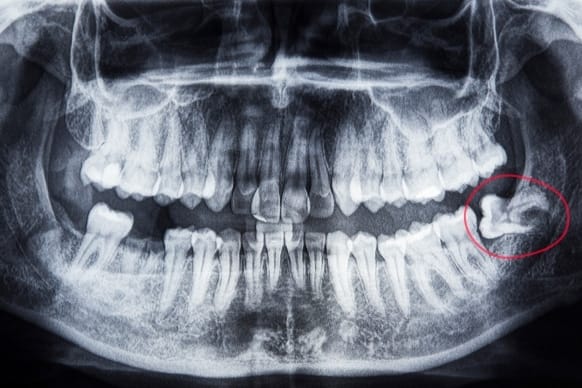
However, healing is not identical for everyone. If the wisdom teeth were impacted (trapped under gum and/or bone) or required more extensive bone removal, recovery can take closer to ~2 weeks for many people, and sometimes longer for complete comfort and full gum closure.
It helps to separate what’s “normal” on the outside from what’s still healing underneath. Surface gum healing can look improved while the socket still needs time to stabilize, which is why mild tenderness may linger even after swelling decreases.
- Surface gum healing: Often improves first; tenderness may still occur with chewing or stretching.
- Deeper socket healing: Takes longer; the clot and underlying tissue must fully repair to reduce risk of complications.
What to expect day-by-day (pain, swelling, jaw stiffness)
The first 48–72 hours are typically the hardest. Soreness and swelling are common, and jaw opening may feel limited because the surrounding muscles and tissues are reacting to surgery.
During this early window, discomfort often peaks and then begins to ease. Many patients notice that pain becomes more manageable with scheduled medication and careful eating habits, especially once the first day’s inflammation settles.
After day 3, gradual improvement is the usual pattern—less swelling, easier jaw movement, and pain that trends downward rather than upward. If symptoms worsen after day three, that can be a sign that something needs attention, such as dry socket or infection.
- Days 0–2: Soreness, swelling, limited mouth opening; bleeding may taper.
- Days 3–7: Gradual improvement; tenderness may persist but should not intensify.
- Complex/impacted cases: Improvement may be slower, with more variability day to day.
Why recovery speed varies (surgical complexity + anesthesia + health factors)
Recovery speed varies because surgical complexity changes the amount of tissue disruption. Impacted teeth often require more bone removal and longer surgical time, which increases inflammation and the amount of healing your body must complete.
Anesthesia and sedation can also affect the early experience. While anesthesia doesn’t “heal” the socket, it can influence how groggy you feel and how comfortable you are in the first hours—especially if deeper sedation was used.
Health factors matter too. Smoking, poor nutrition, dehydration, uncontrolled diabetes, and not following medication instructions can slow healing. Even small deviations—like aggressive rinsing too soon—can increase irritation and delay the stable clot needed for repair.
- More trauma = longer recovery: impacted teeth, bone removal, and longer incisions.
- Systemic factors: nutrition, hydration, and conditions that affect blood flow.
- Aftercare adherence: protecting the clot and using medications as directed.
Why wisdom teeth removal can be painful (causes of swelling and soreness)
Pain after wisdom teeth surgery is often a normal part of healing. The extraction creates an opening in the gum and socket, and your body responds with inflammation—an essential process that helps clear damaged tissue and begin repair.
Swelling and soreness can feel intense because the area is near important nerves and because jaw muscles may become tight from guarding and limited movement. Understanding the “why” makes it easier to judge what’s expected versus what’s concerning.
Surgical trauma and inflammation response
During extraction, the gum tissue is incised and the tooth is removed from its socket. Even when surgery is performed carefully, the surrounding tissues experience trauma that triggers an inflammatory response.
Inflammation increases blood flow to the area and brings healing cells to the site. That same response can cause swelling, pressure, and tenderness, which is why ice and rest are commonly recommended early on.
Jaw stiffness is also common because the muscles that help open and close the mouth may tighten when you protect the surgical side. Gentle movement as allowed by your surgeon and consistent pain control can help prevent stiffness from becoming a longer-term issue.
Dry socket risk (what it is and why it hurts)
Dry socket is a painful complication that can occur when the blood clot in the socket is disrupted or dissolves too early. Without that protective clot, the socket’s exposed bone and nerve endings can become more sensitive.
Dry socket pain often feels disproportionate compared with typical post-extraction soreness. It may start as mild discomfort and then intensify, frequently becoming more noticeable around day 2–4.
Risk is higher with smoking and with actions that create suction or disturb the clot. Your dentist may also consider risk factors like difficult extractions, existing infection, or certain surgical details when advising aftercare.
- Common timing: often worsens around day 2–4.
- Typical sensation: throbbing pain that can radiate to the ear or jaw.
- Prevention focus: protect the clot (no straws, avoid aggressive rinsing).
Infection vs normal healing (how to think about symptoms)
Normal healing can include mild to moderate pain and swelling that gradually improves. Infection, on the other hand, often shows a pattern of worsening symptoms rather than steady improvement.
Infection may present with increasing pain, persistent or worsening swelling, fever, and sometimes pus or a strong, unpleasant odor. Because early infection can overlap with normal inflammation, dental professionals recommend contacting the office if symptoms don’t follow the expected trend.
A helpful way to think about it is: healing usually moves forward. If pain escalates after day three, bleeding persists unexpectedly, or you develop fever, your dentist may want to evaluate the socket sooner rather than later.
- More likely normal: pain gradually decreases, swelling peaks early then improves.
- More concerning: worsening pain, fever, unusual swelling, or symptoms that don’t improve.
Symptoms checklist: how to tell normal recovery from complications
Most people heal without major issues, but knowing what to watch for can reduce anxiety and help you get timely care. A “normal” recovery pattern is usually predictable: pain and swelling improve over time, and bleeding tapers.
Use this checklist as a guide, not a diagnosis. When in doubt, your dental team can help determine whether symptoms are within expected ranges.
Normal symptoms (and when they should improve)
Normal recovery often includes mild to moderate pain, swelling, tenderness, and limited jaw opening. These symptoms are typically most noticeable in the first 2–3 days and then gradually improve.
Bleeding usually tapers as the clot stabilizes. Some people also notice a brief bad taste or mild taste changes, especially early on, but it should improve as healing progresses.
If pain is controlled with medication and symptoms trend toward improvement, that’s generally reassuring. Still, every mouth is different—your surgeon’s instructions should guide what’s “expected” for your specific case.
- Pain: should decrease day by day after the early peak.
- Swelling: often peaks around the first 24–72 hours, then improves.
- Bleeding: should taper rather than continue heavily.
- Taste: may be unpleasant briefly, then should lessen.
Warning signs to contact your dentist urgently
Contact your oral surgeon promptly if symptoms shift into a warning pattern. A key red flag is severe or worsening pain after day three, especially if it feels throbbing and doesn’t respond as expected to your medication plan.
Persistent bleeding can also be a concern. While some oozing is normal early, heavy bleeding that doesn’t slow may indicate the clot is not stabilizing properly.
Other urgent signs include fever, unusual swelling that continues to enlarge, and a bad taste that doesn’t improve. These symptoms can suggest infection or other complications that benefit from early evaluation.
- Severe/worsening pain after day three
- Persistent bleeding or bleeding that restarts heavily
- Fever or chills
- Unusual swelling that keeps increasing
- Bad taste/odor that doesn’t improve
Dry socket signs and what to do immediately
Dry socket pain often feels intense and may radiate to the ear, temple, or jaw on the same side as the extraction. Many people describe it as throbbing and persistent, sometimes starting or worsening around day 2–4.
Another common sign is an unpleasant odor or bad taste that becomes noticeable alongside the pain. This combination can be a strong clue that the clot has been disrupted.
Immediate action matters because treatment can reduce pain and promote comfort while the socket heals. Your dentist may place a medicated dressing in the socket and provide targeted guidance—so contacting your oral surgeon for evaluation is the safest next step.
- Call promptly if pain becomes severe or worsens after day three.
- Don’t wait it out if odor/taste is present with increasing pain.
- Follow provider instructions for any dressing or medicated care.
Day-of-surgery recovery basics (first hours that affect healing)
The first hours after wisdom teeth surgery set the stage for the entire recovery. Even if the procedure went smoothly, early choices—rest, positioning, and clot protection—can influence swelling, bleeding, and comfort.
These basics are also where people can accidentally make recovery harder, such as by talking too much, moving around too soon, or disturbing the extraction site.
Rest, positioning, and stress reduction
Rest is one of the most effective “fast recovery” tools. Many dental professionals recommend prioritizing rest for the first 48 hours and keeping your head elevated to reduce swelling.
When lying down, a slightly upright position can help limit fluid accumulation in the face. Avoid strenuous activity, heavy lifting, and anything that increases blood pressure in the early period, since that can increase bleeding risk.
Minimizing talking and chewing also reduces strain on the surgical area. If jaw movement is painful, gentle rest and consistent pain control are often better than pushing through discomfort.
Anesthesia considerations (local vs sedation)
Different anesthesia approaches can change how you feel immediately after surgery. With local anesthesia only, numbness may wear off over a few hours, and discomfort may begin as sensation returns.
With sedation or deeper anesthesia, grogginess and slowed reaction time can last longer. Transportation planning is important—arranging a ride home and having someone stay with you can reduce risk and help you rest.
Your dentist may also provide specific instructions about eating and medication timing based on the type of anesthesia used. Following those instructions closely supports comfort and reduces the chance of nausea or missed doses.
Gauze and bleeding control (what to do with the packing)
Gauze is used to control bleeding and help the clot form. Your surgeon may pack the extraction area and instruct you to leave the gauze in place until bleeding slows.
If the gauze becomes overly saturated, it may need to be replaced with clean gauze. Biting gently on gauze (if instructed) can help apply pressure without disturbing the site.
It’s important to avoid repeatedly checking the area or removing gauze too early. Disturbing the clot can increase bleeding and raise the risk of dry socket.
- Leave gauze in until bleeding slows, then follow instructions.
- Replace if saturated with clean gauze (don’t keep removing).
- Avoid disturbing the clot—no poking or aggressive rinsing early.
Fast recovery after wisdom teeth surgery: medication + swelling control
Medication and swelling control are central to how to speed up wisdom teeth recovery safely. When pain is controlled, eating and resting become easier, which supports healing and reduces muscle stiffness.
Swelling management also improves comfort and helps you maintain gentle jaw movement. The key is using the right method at the right time—ice early, then transition as advised.
Follow medication instructions exactly (pain meds + antibiotics)
Take medications exactly as directed by your surgeon. Pain relievers help you stay comfortable enough to rest, hydrate, and eat soft foods, while antibiotics (if prescribed) help reduce infection risk.
Skipping doses or stopping early can lead to inadequate pain control or incomplete infection prevention. If pain seems unusually severe, or if you can’t keep up with the medication schedule due to nausea or other issues, contact your dentist rather than waiting.
Some people experience side effects like stomach upset. Your dental team may recommend taking certain medications with food (if allowed) or adjusting timing—so it’s worth asking if side effects interfere with adherence.
Ice vs warm compress (when and how)
Ice packs are commonly recommended during the first 24 hours to reduce swelling and numb discomfort. Apply ice to the outside of the cheek for about 15–20 minutes at a time, with breaks in between.
After the first day or two, some patients benefit from switching to gentle warm compresses. Warmth can improve circulation and help with stiffness, but it should never be so hot that it irritates the skin.
Timing matters: using heat too early can sometimes increase swelling. When in doubt, follow your surgeon’s specific guidance for your case.
- First 24 hours: ice packs 15–20 minutes at a time.
- After day 2: warm compress may help stiffness (gentle, not scalding).
- Never: prolonged direct ice while asleep—use ice while awake.
OTC pain medication guidance (when appropriate)
Over-the-counter (OTC) pain medication may be appropriate for some patients, but only if your surgeon approves. In many cases, a single dose can make the difference between sleeping and suffering, which indirectly supports recovery by allowing rest.
Avoid mixing medications incorrectly. Some OTC products contain ingredients that overlap with prescription pain relievers, which can increase the risk of side effects.
Follow the label and your provider’s instructions. If there is uncertainty about which medication is safe with your prescription plan, call the dental office for clarification.
Eating for speed: what to eat (and what to avoid) to heal faster
Nutrition supports tissue repair, and eating choices influence comfort and clot stability. The right foods reduce irritation, prevent accidental trauma, and help you maintain hydration—an important factor in healing.
For how to speed up wisdom teeth recovery, the focus is on soft, nutrient-rich options early on, then gradual texture progression as healing improves.
Soft food progression (first 24 hours → semi-solid → gradual return)
In the first 24 hours, stick to very soft foods that require minimal chewing. Many people do well with yogurt, smoothies (without a straw), oatmeal, mashed potatoes, scrambled eggs, and soft rice.
After the first day, semi-solid foods can often be introduced. Examples include thicker soups that are not too hot, soft pasta, and well-cooked vegetables blended or chopped finely.
As comfort improves, gradually increase texture. Rushing to harder foods can disrupt the healing environment or increase pain by stressing the surgical area.
- Days 0–1: yogurt, oatmeal, smoothies, mashed potatoes, scrambled eggs.
- After 24 hours: semi-solid options like soft rice, thicker soups, soft pasta.
- Later: gradually return to more texture as your dentist clears you.
Foods and drinks to avoid (common recovery delays)
Some foods can irritate the surgical site or increase the chance of clot disruption. Crunchy foods (chips, nuts), spicy foods, and extremely hot foods can all worsen discomfort and delay healing.
Drinks matter too. Caffeine and alcohol can affect blood flow and hydration, and fizzy or acidic drinks may irritate sensitive tissue.
Choosing bland, lukewarm options early on can reduce pain and make it easier to eat enough calories and fluids for recovery.
- Avoid: crunchy, spicy, and extremely hot foods
- Avoid: alcohol and high-caffeine drinks
- Be cautious: fizzy/acidic drinks that may irritate tissue
Straw and suction rules (protect the clot)
One of the most important clot-protection rules is avoiding suction. Drinking through a straw creates suction pressure in the mouth, which can dislodge the blood clot that protects the socket.
Similarly, vigorous rinsing or forceful spitting can create pressure changes and disturb healing tissue. Early on, gentle care is safer than aggressive cleanup.
Most dental professionals recommend avoiding straws for at least about a week, though your surgeon may provide a specific timeframe based on your extraction details.
- No straws: suction can dislodge the clot.
- No vigorous rinsing: avoid forceful swishing/spitting early.
- Let liquid fall out: gentle rinsing technique after 24 hours.
Oral hygiene that speeds healing (clean without disrupting the socket)
Good oral hygiene helps prevent infection, but it must be done in a way that protects the extraction site. The goal is to keep the rest of your mouth clean while allowing the socket to heal undisturbed.
Many people accidentally over-clean early on—swishing too hard or rinsing too soon. Following the timing rules can meaningfully improve recovery comfort.
First 24 hours: rinsing rules and gentle care
During the first 24 hours, avoid rinsing, swishing, or aggressive mouth movements. This protects the blood clot and reduces the risk of dry socket.
Brushing is still important, but it should be gentle near the extraction site. Brush normally in other areas of the mouth, using careful technique to avoid directly scrubbing the socket area.
If food debris collects, it’s better to rely on gentle cleaning later rather than trying to “fix it” immediately with forceful rinsing. Your dental team’s instructions should guide exactly when to start rinses and how often.
After 24 hours: saltwater or alcohol-free mouthwash technique
After the first day, warm saltwater rinses are commonly recommended. Warmth can soothe tissue, and salt can help keep the mouth cleaner while healing continues.
Use a gentle method: let the liquid fall out rather than forcefully spitting. Avoid forceful swishing, which can create pressure changes and disturb the clot.
If an alcohol-free mouthwash is recommended, it can be used as directed. Alcohol-containing products may sting and irritate healing tissue, so alcohol-free options are often preferred.
- Several times daily: warm saltwater rinses after 24 hours
- Gentle technique: let liquid fall out; avoid forceful swishing
- Optional: alcohol-free mouthwash if approved
Brushing and flossing schedule (when to resume)
Brushing and flossing help reduce bacteria in the rest of your mouth. Most patients can resume brushing in non-surgical areas relatively soon, but the extraction site should be treated carefully.
Your dentist may provide a specific schedule for when to brush near the socket and when to resume flossing. In general, direct scrubbing over the extraction area is usually avoided until cleared.
When you do resume, use gentle pressure. The priority is cleanliness without trauma—because the socket needs stable healing rather than repeated irritation.
- Resume brushing: as instructed, gently near the area
- Resume flossing: carefully, avoiding direct trauma to the socket
- Avoid: scrubbing the extraction site until cleared
Habits that slow recovery (prevention through “what not to do”)
Even with perfect medication and good food choices, certain habits can slow healing or increase complication risk. This section focuses on the most common “don’ts” that can undermine how to speed up wisdom teeth recovery.
Prevention is often easier than treatment, especially when it comes to dry socket and infection.
Smoking and alcohol avoidance
Smoking is one of the most significant factors that can delay healing. Tobacco can reduce blood flow and impair the body’s ability to repair tissue, and it also increases the risk of dry socket.
Alcohol can also interfere with healing by affecting hydration and potentially interacting with medications. Many dental professionals recommend avoiding alcohol during the early recovery period and following medication-specific guidance.
For smoking, avoiding tobacco for at least about a week is commonly advised, though your surgeon may recommend a longer period depending on your risk level and extraction details.
- Smoking: increases dry socket risk and slows tissue repair
- Alcohol: can interfere with hydration and medication safety
- Best practice: avoid both and follow your surgeon’s timeframe
Activity limits (strenuous exercise and stress)
Strenuous exercise and heavy lifting can increase blood pressure and may contribute to bleeding or swelling. Limiting activity for a few days helps your body focus on healing.
Stress can also affect comfort and sleep. Poor sleep and overexertion can make pain feel worse and can indirectly slow recovery by reducing your ability to rest and eat well.
Light movement around the home is often fine, but avoid anything that causes strain. If dizziness or increased bleeding occurs, stop and contact your dental team.
Don’ts list that commonly causes setbacks
Small missteps can have outsized effects early on. The extraction site is fragile while the clot forms and stabilizes, so avoiding common triggers is a major part of recovery success.
These “don’ts” are frequently emphasized by oral surgeons because they directly relate to clot protection and irritation control. Following them can reduce the chance of dry socket and help symptoms follow the expected improvement curve.
- Don’t chew solid foods too soon—start soft and progress gradually.
- Don’t drink through a straw—suction can dislodge the clot.
- Don’t rinse aggressively within the first 24 hours.
- Don’t sleep with ice packs—use ice while awake in short intervals.
- Don’t smoke during early healing (and ideally longer).
Recovery support at home: supplies + environment that improve outcomes
Home setup can make recovery smoother and reduce the temptation to break aftercare rules. When supplies are ready, it’s easier to stay hydrated, take medications on time, and eat soft foods without rushing.
Creating a low-stress environment also supports sleep and reduces jaw muscle tension—both helpful for comfort and healing.
Prep your “recovery kit”
A simple recovery kit can support how to speed up wisdom teeth recovery by making it easier to follow instructions consistently. Many patients prepare alcohol-free mouthwash or saltwater supplies, gauze, and soft food options.
If your surgeon approves OTC pain medicine, having it available can help you take the first dose at the right time. Hydration planning is equally important—lukewarm liquids are often easier to tolerate.
Some people also find it helpful to keep a small trash bag, a timer for medication, and extra gauze on hand. Being prepared reduces stress and helps avoid missed doses.
- Alcohol-free antibacterial mouthwash or saltwater supplies
- Gauze (even if provided)
- Approved pain medicine (OTC or prescription)
- Soft food options and a hydration plan
Create a low-stress healing environment
Clear the calendar for several days if possible. Planning rest and minimizing errands can reduce the risk of overexertion and help you keep your head elevated when resting.
Having a friend or family member available can be especially helpful after sedation. Assistance with meals, transportation, and picking up supplies can prevent unnecessary movement and stress.
Comfort items—pillows for elevation, a water bottle within reach, and easy-to-access foods—reduce the need to get up repeatedly. Less movement can mean less pain and less chance of accidental irritation.
Hydration and comfort strategies
Staying hydrated supports overall healing and helps prevent dry mouth, which can increase discomfort. Lukewarm liquids are often easier to drink, especially when the mouth feels sensitive.
Comfort strategies include scheduled rest, head elevation, and using ice or warm compresses at the recommended times. When pain is controlled, it becomes easier to eat and drink enough to support tissue repair.
If nausea occurs due to medications, contacting your dental team can help adjust the plan. Your dentist may suggest timing changes or additional guidance to keep you comfortable while healing continues.
When to schedule follow-up + long-term benefits of proper recovery
Follow-up care is part of fast recovery because it ensures healing is on track. Even when symptoms improve, a check-in can confirm that the socket is healing properly and that there are no early signs of complications.
Proper recovery also protects long-term oral health by reducing the chance of infection and supporting healthy function of the jaw and bite.
Post-extraction visit: what the dentist checks
At a post-extraction visit, your dentist or oral surgeon checks whether healing is progressing as expected. They may evaluate the socket condition, tissue response, and whether any complications are developing.
This visit is also a good time to address lingering concerns like persistent tenderness, difficulty opening the mouth, or questions about oral hygiene and diet progression.
If symptoms were unusual, a follow-up can help confirm whether treatment is working. Early evaluation can prevent minor issues from becoming bigger problems.
Returning to normal routines (work, speaking, eating)
Most patients are advised to take some time off work or school, often around 1–2 days, though individual recommendations vary. The right timeframe depends on sedation type, job demands, and how your pain and swelling are trending.
Returning to speaking and eating should be gradual. If chewing hurts, sticking to soft foods a bit longer can prevent setbacks and help you progress comfortably.
Your dentist may provide specific guidance on when to resume normal routines based on your healing pattern and surgical complexity.
Long-term benefits of fast, complication-free healing
Fast, complication-free healing helps reduce the risk of infection that could affect overall health. It also supports better comfort and function, which matters for daily activities like eating, speaking, and maintaining oral hygiene.
Proper socket healing helps protect nearby teeth and the jawbone environment. While wisdom teeth removal is common, the goal is always to preserve long-term oral health and reduce prolonged discomfort.
When recovery follows the expected timeline, it can also reduce the chance of delayed issues and help you return to normal life with less disruption.
- Lower risk of infection and prolonged discomfort
- Supports healthy jaw function and comfort
- Protects surrounding tissues and nearby teeth
Frequently Asked Questions
How long does wisdom teeth recovery usually take?
Most people feel much better in about 3–7 days, with noticeable improvement often starting within the first week. Complete gum healing can take longer, especially if the teeth were impacted or the surgery was more complex.
For complex impacted cases, recovery may approach ~2 weeks for many patients, though individual timelines vary based on surgical details and aftercare adherence.
What should I do in the first 24 hours to recover faster?
Rest and keep your head elevated to reduce swelling. Use ice packs for 15–20 minutes at a time, leave gauze as directed, and avoid rinsing or swishing in the first day.
Also avoid straws and suction, since disturbing the clot can slow healing and increase dry socket risk.
How do I know if I have dry socket?
Dry socket often causes severe or worsening pain around day 2–4, frequently with an unpleasant bad taste or odor. The pain may feel throbbing and can radiate to the ear or jaw.
If these symptoms appear, contact your oral surgeon promptly for evaluation and treatment.
Can I eat normally after wisdom teeth removal?
Eating normally usually starts with soft foods and then progresses gradually as comfort improves. In the early days, avoid crunchy, spicy, and extremely hot foods to prevent irritation and protect the socket.
Your dentist may clear you to advance textures based on how healing is going.
Should I use saltwater rinses or mouthwash?
After the first 24 hours, warm saltwater rinses are commonly recommended several times daily. If mouthwash is used, choose an alcohol-free option if your dentist approves it.
Use a gentle technique—let liquid fall out and avoid forceful swishing or spitting.
Is it okay to drink through a straw?
No. Drinking through a straw creates suction that can dislodge the blood clot and increase dry socket risk.
Most dental professionals advise avoiding straws for at least about a week, or for as long as your surgeon instructs.
When should I call my dentist after surgery?
Call your dentist if pain worsens after day three, bleeding persists, fever occurs, swelling is unusual, or bad taste doesn’t improve. These patterns can signal dry socket or infection that benefits from prompt evaluation.
It’s always better to check early than to wait until symptoms become severe.
Can pineapple juice or other home remedies speed healing?
Some people use pineapple juice due to bromelain claims, but evidence for speeding wisdom teeth healing is limited. Your dentist may advise focusing on proven aftercare steps like medication adherence, gentle hygiene, and soft nutrition.
Home remedies should not replace recommended treatment, especially if symptoms worsen.
Comparison: Simple vs impacted wisdom teeth recovery (what changes your healing speed)
Not all wisdom teeth surgeries are the same. Recovery speed can differ significantly between simple extractions and impacted extractions because impacted teeth often require more surgical work.
Understanding these differences can help set realistic expectations and guide aftercare priorities to support faster, complication-free healing.
Simple extraction vs impacted extraction (what to expect)
Simple extraction typically involves teeth that are already erupted and easier to remove. Many patients experience faster recovery and less swelling with simple cases.
Impacted extraction usually requires cutting into gum tissue and sometimes removing bone to access the tooth. This increases surgical trauma, which can lead to more swelling, more discomfort, and a longer healing timeline.
Because of this, impacted cases may require stricter monitoring and more careful adherence to aftercare instructions to protect the clot and reduce complication risk.
How aftercare priorities differ by case
Impacted cases often benefit from stricter aftercare because the socket may be deeper and healing may take longer. Dental professionals may emphasize medication timing, hygiene technique, and clot protection more strongly for these patients.
Simple cases still require the same core “don’ts,” such as avoiding straws and aggressive rinsing early. Even when recovery seems easier, protecting the clot remains essential to prevent dry socket.
In both scenarios, the best approach is consistent aftercare and close attention to symptom trends—improvement over time is the reassuring pattern.
Expected recovery ranges by scenario
Across many cases, improvement often begins within 3–4 days. For most uncomplicated extractions, symptoms continue to ease over about 7 days, though mild tenderness can persist.
Complex impacted cases may take closer to ~2 weeks for many patients, with more variability day to day. If symptoms worsen or don’t follow the expected trend, contacting your dental team can help address issues early.
If recovery feels slower than expected—or if symptoms change in a concerning way—scheduling a consultation with your oral surgeon or dentist can provide clarity and targeted guidance. A quick evaluation can help protect the healing socket and support the fastest, safest return to normal comfort and function.