Kill Tooth Pain Nerve in 3 Seconds Permanently: Myth vs. Reality for Lasting Relief
If a toothache feels like it’s drilling straight into your jaw, it’s easy to search for a miracle fix. The viral promise—kill tooth pain nerve in 3 seconds permanently—sounds like the answer, but the reality is more complicated, and safer options exist for lasting relief.
Tooth pain is often the body’s warning that something inside the tooth (or around it) is inflamed or infected. While some home steps can reduce discomfort quickly, permanent “nerve killing” in seconds isn’t something that can be done safely at home.
Can You Really Kill Tooth Nerve Pain in 3 Seconds Permanently?
What “kill the nerve” really means (and why 3 seconds can’t be permanent)
When people say they want to “kill the nerve,” they usually mean stopping the pain coming from the tooth. In reality, the pain originates from the pulp, the soft inner tissue inside the tooth that contains nerves and blood vessels.
The pulp sits deep in the tooth’s pulp chamber and root canals, protected by enamel and dentin. Home remedies generally act on the surface of the tooth or gums, so they cannot reach, remove, or disinfect the pulp tissue in a way that would truly end the problem permanently.
It helps to distinguish numbing pain from treating irritated or infected pulp. Numbing can temporarily reduce nerve signaling, but it doesn’t eliminate decay, cracks, or bacterial infection that may be driving the inflammation.
- Numbing pain: reduces sensation for minutes to hours, depending on the method.
- Treating pulp: addresses the cause (decay, trauma, infection) and may involve removing pulp tissue and sealing the tooth.
Why the viral claim spreads (and what it can delay)
Viral tooth hacks spread because they often provide short-term relief that feels like a “cure.” Temporary numbing can mask worsening conditions, such as deep cavities, pulpitis, or an abscess forming at the root tip.
Many toothaches fluctuate. Pain may ease for a few hours or even a day, especially if inflammation temporarily calms or if a numbing agent dulls nerve signals. That improvement can create a false sense of safety and delay dental evaluation.
Delaying diagnosis can increase the risk of complications. Untreated infection may spread into surrounding bone and soft tissue, potentially leading to swelling, tooth loss, or more intensive treatment later.
- Abscess development can occur even when pain temporarily improves.
- Bone involvement may progress silently before obvious symptoms appear.
- More extensive procedures may be needed if treatment is postponed.
What you can do immediately while waiting for a dentist
While permanent relief requires professional care, the goal while waiting is safe pain control and reducing irritation. A good plan focuses on calming inflammation, keeping the area clean, and using over-the-counter (OTC) medications appropriately.
Start with gentle measures that are unlikely to worsen tissue damage. Cold therapy can reduce swelling and numb the cheek area, and warm saltwater rinses can soothe gum irritation and help keep the mouth clean.
OTC pain relievers can also help—many dental professionals recommend ibuprofen or acetaminophen depending on your health history. If you have ulcers, kidney disease, are on blood thinners, or are pregnant, medication choices should be confirmed with a clinician or pharmacist.
- Cold compress: 15 minutes on/off to reduce pain and inflammation.
- Warm saltwater rinse: gently swish, then spit; repeat several times daily.
- OTC pain relief: follow label directions; avoid doubling up on ingredients.
What Causes Tooth Nerve Pain (Pulp Inflammation or Infection)?
Common dental causes (merge across competitors)
Tooth nerve pain typically begins when the pulp becomes inflamed or infected. This can happen from bacteria entering the tooth, trauma that irritates the pulp, or conditions that expose sensitive areas near the pulp.
Common causes include deep decay, cracked teeth, and gum infections. In many cases, the tooth’s outer layers protect the pulp until damage becomes severe enough to trigger strong pain signals.
Gum recession can also contribute by exposing root surfaces that are more sensitive than enamel. Failed fillings or crowns may allow bacteria to leak underneath, gradually irritating the pulp.
- Deep cavities/decay reaching pulp
- Cracked or broken teeth, including trauma or biting injuries
- Failed restorations (old fillings/crowns with leakage)
- Gum infections/abscess
- Exposed roots from gum recession
How pulp damage turns into sharp, throbbing pain
When the pulp is irritated, nerve endings become hypersensitive. This is why tooth pain can feel sharp, electric, or intense—especially when exposed to cold, heat, or sweet foods.
Inflammation increases pressure inside the pulp chamber. As pressure builds, pain may shift from brief sensitivity to more persistent throbbing, which often indicates deeper involvement.
If bacteria are present, infection can intensify symptoms. Studies and clinical experience suggest that infected pulp often produces pain that is harder to control and may worsen over time without treatment.
- Inflammation: hypersensitivity to temperature and touch
- Infection pressure: throbbing, worsening pain, sometimes spontaneous pain
- Progression: symptoms may fluctuate before escalating again
Conditions that require faster action
Some tooth pain patterns suggest more urgent issues. Dental professionals generally recommend prompt evaluation when pain is accompanied by swelling, fever, or spreading symptoms.
Pain that wakes you at night or becomes constant and throbbing can indicate the pulp is under significant stress. While not every case is an emergency, these symptoms often mean the tooth needs timely treatment.
If symptoms are rapidly worsening, or if swallowing or breathing becomes difficult, urgent care is necessary. Infections can spread through fascial spaces in the head and neck, which is why fast action matters.
- Swelling in the face or gums
- Fever or feeling unwell
- Spreading pain to the jaw, ear, or neck
- Severe constant throbbing or pain that wakes you at night
Signs You Have Damaged or Infected Nerve (Not Just Sensitivity)
Sensitivity patterns that suggest nerve involvement
Not all tooth pain is the same. Mild sensitivity to cold or sweet can come from enamel wear or gum recession, but nerve involvement often shows a different pattern.
Pulpitis pain may linger after the stimulus is removed. For example, cold or hot triggers that cause discomfort lasting more than a few seconds can suggest deeper inflammation rather than simple surface sensitivity.
Air sensitivity—pain when breathing air across the tooth—can also be a clue. When sensitivity becomes frequent, intense, or spontaneous, it raises concern for pulp irritation.
- Cold/hot/sweet sensitivity that lingers
- Air sensitivity (pain with exposure)
- Pain that escalates instead of gradually improving
Pain behavior red flags
How pain behaves over time can help indicate severity. A sharp “jolt” when biting may point to a crack or trauma that irritates the pulp or the ligament around the tooth.
Constant throbbing pain, especially if it builds and doesn’t settle, often suggests infection or significant pulp inflammation. Pain that wakes you at night can be a sign that inflammation is pressing on nerve tissue.
Even if pain temporarily improves, the underlying cause may still be progressing. Dental professionals often treat based on diagnosis, not just symptom intensity.
- Sharp jolt on biting: possible crack/trauma
- Constant throbbing: possible infection/pulpitis
- Night pain: often indicates higher inflammation pressure
Visual and clinical clues
Some signs are visible even before imaging. A visible crack, a chipped tooth, or a restoration that looks worn can suggest a pathway for bacteria to reach deeper tissues.
Gum redness and swelling near a specific tooth can indicate localized inflammation. In some cases, a “pimple” on the gum (a draining tract) may appear when an abscess is trying to relieve pressure.
Because symptoms can overlap, clinical evaluation matters. X-rays and pulp testing help determine whether the issue is pulpitis, an abscess, a crack, or gum recession exposure.
- Visible cracks or chipped edges
- Gum swelling/redness near the tooth
- Possible abscess signs: pimple-like bump, drainage, bad taste
Can You Kill Tooth Pain Nerve in 3 Seconds Permanently at Home?
The truth about “instant nerve killing” DIY methods
The phrase kill tooth pain nerve in 3 seconds permanently is compelling, but it’s not achievable safely through DIY methods. Home remedies cannot remove infected pulp tissue inside the tooth, and they cannot reliably sterilize root canals.
Many viral “nerve killing” tricks work only by numbing the surface or temporarily reducing pain signals. That can make the tooth feel better while the underlying decay or infection continues.
In most cases, the pulp remains damaged even if pain fades. Eventually, pain may return—sometimes worse—because the cause was never treated.
- Surface numbing ≠ permanent resolution
- Temporary relief can delay needed treatment
- Infection can progress even when pain improves
What may help for seconds-to-hours (safe temporary options)
Some options can provide short-term comfort while waiting for a dentist. These methods focus on reducing inflammation, cleaning the area, or temporarily numbing the surrounding tissues.
Cold compress is one of the safest approaches for immediate pain reduction. Apply it to the cheek over the affected area for about 15 minutes, then take a break and repeat as needed.
Saltwater rinses can soothe gum irritation and help reduce bacterial load in the mouth. For numbing, clove oil (eugenol) may provide brief relief because of its natural anesthetic properties, but it must be used carefully to avoid irritation.
- Cold compress: 15 minutes on/off
- Warm saltwater rinse: several times daily
- Clove oil (eugenol): cotton ball application for short-term numbing
Hydrogen peroxide rinses are sometimes used for mouth cleansing, but they should be properly diluted and not overused. Overuse can irritate tissues and disrupt the mouth’s natural balance, so it’s best to follow product directions or ask a pharmacist for safe dilution guidance.
What NOT to do (risk of burns, tissue damage, infection spread)
Some DIY “nerve killing” hacks can cause chemical burns or worsen inflammation. Alcohol, bleach, and other harsh chemicals can damage gum tissue and may increase pain or delay healing.
Placing crushed pills directly on the tooth or gums can create concentrated irritation. Similarly, using super glue, wax, or other sealants over the area can trap bacteria and moisture, potentially worsening infection.
Extreme heat, aggressive vibration, or repeated “hot compress” attempts can also backfire by increasing blood flow and inflammation. The safest approach is to use gentle cold, saltwater rinses, and OTC pain relievers as directed.
- Avoid bleach/alcohol/chemical “nerve killing” solutions
- Avoid crushed pills directly on gums/tooth
- Avoid super glue/wax over the painful area
- Avoid extreme heat or aggressive “vibration” fixes
Safe Temporary Relief Plan While You Wait for a Dentist
Step-by-step “right now” routine (first 30–60 minutes)
When tooth pain strikes, the first priority is to reduce irritation without causing additional harm. A simple routine can often bring noticeable relief within the first hour.
Begin with a cold compress to the cheek. Use a cold pack wrapped in cloth to avoid skin damage. Apply for about 15 minutes, then remove it for 15 minutes, and repeat if needed.
Next, use a warm saltwater rinse. Mix about 1/2 teaspoon of salt into 8 ounces (about 240 ml) of warm water. Gently swish for 30 seconds, then spit—repeat several times during the day.
Finally, consider OTC pain relief. Many people use ibuprofen or acetaminophen, but the right choice depends on medical history and medication interactions. Follow the label exactly, and avoid taking multiple products that contain the same ingredient.
- 0–15 min: cold compress to cheek
- 15–30 min: warm saltwater rinse
- 30–60 min: OTC pain reliever as directed (if safe for you)
Numbing options and how to use them safely
Clove oil is commonly used for temporary numbing because it contains eugenol, which can reduce pain sensation. It should be applied with care—typically using a small amount on a cotton ball placed gently against the painful area.
Clove oil should not be used aggressively or in large amounts. If it causes burning or irritation, stop immediately and rinse with water. People with allergies or sensitive oral tissues should be especially cautious.
Desensitizing toothpaste or gels can help reduce nerve signals from the tooth surface. These products are most effective for sensitivity related to exposed dentin or enamel wear, and they may not fully control pain if pulp infection is present.
- Use clove oil sparingly and stop if irritation occurs
- Desensitizing products may help sensitivity, not deep infection
- Temporary relief should not replace dental diagnosis
Food, habits, and positioning to reduce pressure on the tooth
Tooth pain often worsens when pressure is applied. Choosing soft foods and avoiding chewing on the affected side can reduce mechanical irritation and help calm inflammation.
Avoid very hot or very cold foods and drinks, as temperature changes can trigger nerve hypersensitivity. Also avoid sugary snacks, which can feed bacteria if decay is present.
Keeping the head elevated can reduce throbbing for some people, especially at night. Gentle oral hygiene is still important—brush with a soft toothbrush and floss carefully to avoid aggravating the area.
- Choose soft foods (yogurt, soup, eggs) and chew on the other side
- Avoid extremes: hot/cold drinks and sticky sweets
- Keep head elevated to reduce pressure-related throbbing
- Maintain gentle brushing and careful flossing
How Long Does It Take for a Tooth Nerve to Die?
Typical timelines depend on cause and severity
There is no universal timeline for how long it takes for a tooth nerve to “die.” The duration depends on whether the cause is minor inflammation, deep decay, trauma, or established infection.
In cases of minor decay or early pulp irritation, symptoms may last for weeks or fluctuate as inflammation changes. In more severe situations—such as deep infection or significant trauma—pain can escalate within days.
Because pulp tissue is enclosed within rigid tooth structures, pressure can build quickly when infection is present. That’s one reason tooth pain can become intense and persistent even before obvious swelling appears.
- Minor irritation: may take weeks to progress
- Severe trauma/infection: may progress in days
- Exact timing varies by individual and the specific tooth
What happens to pain as the nerve deteriorates
As pulp tissue deteriorates, pain patterns may change. Some people notice a shift from sharp, temperature-triggered pain to duller discomfort, and in later stages pain may seem to lessen.
This change can be misleading. Reduced pain does not necessarily mean the tooth is safe; infection may still be active and spreading toward the root tip and surrounding bone.
In many cases, the tooth may enter a cycle of flare-ups and temporary calm. That’s why dental professionals emphasize diagnosis even when symptoms improve.
- Pain may fluctuate: sharp → dull → reduced
- Reduced pain can still coincide with ongoing infection
- Symptoms can return as pressure builds again
Why “it stopped hurting” is not a diagnosis
When pain stops, it can feel like the problem resolved itself. However, infection can continue silently, and the body may temporarily compensate for inflammation.
Abscesses can develop even after pain decreases. A tooth can become more dangerous as bacteria move deeper, sometimes leading to swelling, drainage, or bone loss.
For lasting relief, the underlying cause must be treated. A dental exam and imaging help determine whether the pulp is irreversibly inflamed, whether a crack is present, and whether infection has spread.
- Pain relief ≠ elimination of decay or infection
- Silent progression can occur
- Evaluation is the safest way to confirm what’s happening
Professional Treatments That Actually Stop Tooth Nerve Pain Permanently
Root canal therapy (remove infected pulp, seal tooth)
Root canal therapy is one of the most common treatments for persistent tooth nerve pain caused by inflamed or infected pulp. The procedure aims to remove damaged pulp tissue from the pulp chamber and root canals, disinfect the space, and then seal it to prevent recontamination.
By eliminating the source of irritation inside the tooth, root canal therapy can stop nerve pain and allow the tooth to be saved. Many patients experience significant improvement after treatment, though some soreness can occur for a few days as tissues settle.
Your dentist may recommend a crown after a root canal, especially for molars, to protect the tooth from fracture. Crowns are often advised because a treated tooth can be more brittle than an untreated tooth.
- Goal: remove infected pulp and seal the tooth
- Outcome: long-term pain relief in most cases
- Follow-up: crown may be recommended for strength
Fillings, crowns, and restorative repair (remove irritation source)
Not every case requires root canal therapy. If the pulp is only mildly irritated or the pain is driven by a crack or leaking restoration, restorative treatment may be enough to remove the irritation source.
For example, replacing a failing filling can stop bacterial leakage and reduce inflammation. If the tooth is weak or has structural damage, a crown can protect it and prevent further exposure of sensitive dentin.
Restorations also help stop progression of decay. Addressing the physical cause—rather than only masking symptoms—is what leads to durable relief.
- Fillings: repair decay or defective restorations
- Crowns: protect weak or cracked teeth
- Goal: eliminate irritation and prevent recurrence
Extraction and other options when saving isn’t possible
Sometimes the tooth cannot be predictably saved due to extensive damage, repeated failure of previous treatment, or structural breakdown. In those cases, extraction may be the safest option to remove the source of infection and pain.
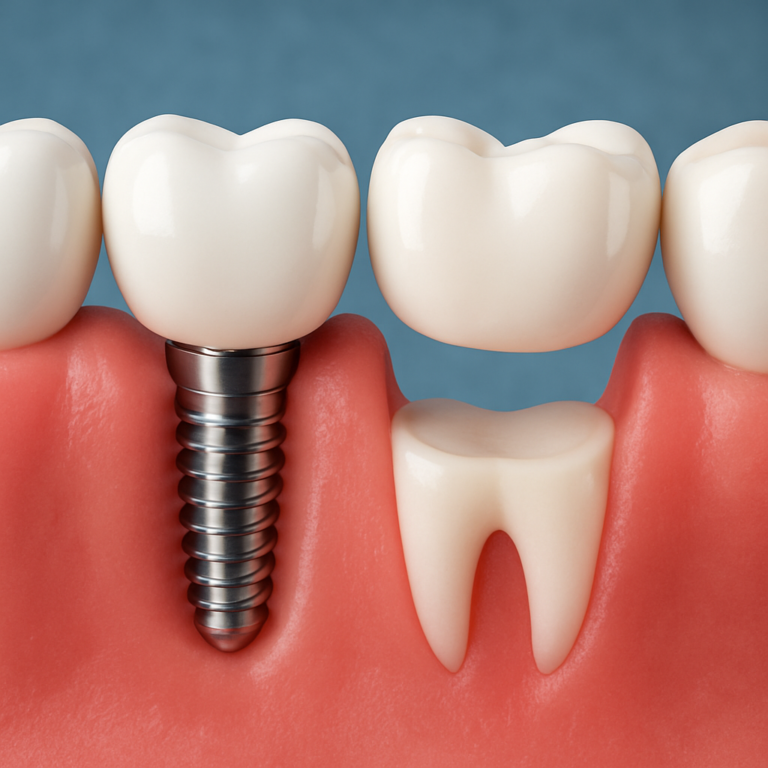
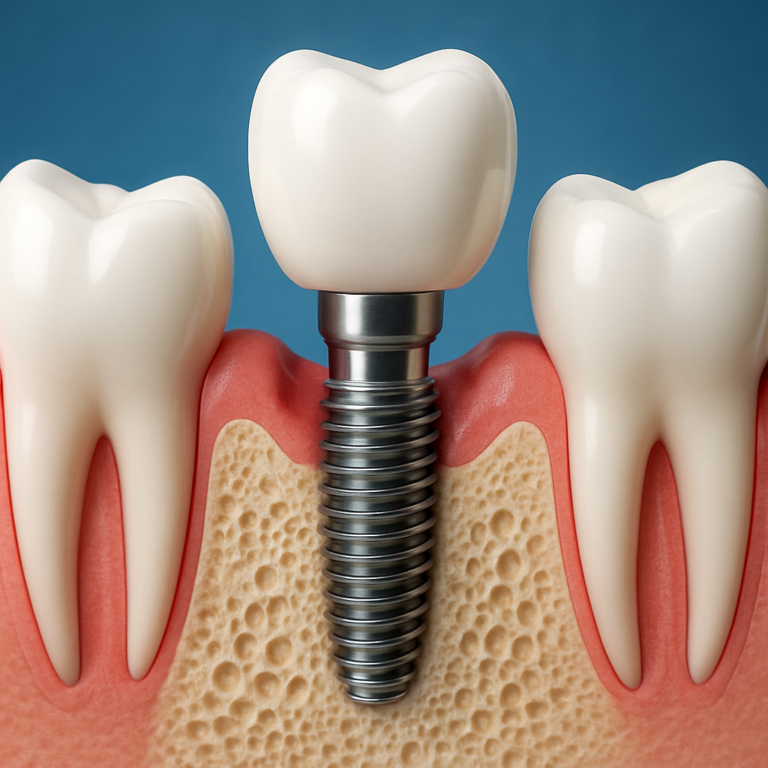
After extraction, your dentist may discuss replacement options such as implants or bridges depending on your situation. This helps restore chewing function and maintain alignment of surrounding teeth.
Antibiotics may be prescribed when infection/abscess is present and there are specific clinical signs. However, antibiotics alone usually do not fix the tooth problem; definitive dental treatment is still needed.
- Extraction: for severely damaged teeth
- Antibiotics: only when indicated, as prescribed
- Definitive care: still required to eliminate the source
When to See a Dentist (and When It’s an Emergency)
Urgent signs that should not wait 24 hours
Some symptoms suggest infection spreading or significant inflammation that needs urgent evaluation. If swelling is present, especially in the face or under the jaw, it should not be delayed.
Fever, difficulty swallowing, trouble breathing, or rapidly worsening pain can indicate a more serious situation. In these cases, emergency dental care or urgent medical care may be necessary.
Even if pain seems manageable, infection can progress. Dental professionals prioritize safety because complications can escalate quickly.
- Swelling of face/gums
- Fever or chills
- Difficulty swallowing or breathing
- Spreading pain or rapidly worsening symptoms
“Time-to-appointment” guidance for non-emergent cases
If symptoms are not accompanied by swelling or fever, the situation may be less urgent—but it still deserves timely care. Many dentists recommend scheduling within 24–48 hours when pain is persistent, recurring, or escalating.
Pain that lasts beyond about 24 hours or keeps returning frequently is a strong reason to book an appointment. Similarly, sensitivity that is getting worse or not responding to OTC measures should be evaluated.
Early treatment often prevents progression to infection and reduces the likelihood of needing more complex procedures.
- Schedule within 24–48 hours for persistent pain
- Book sooner if pain is escalating or recurring
- Seek care immediately if red-flag symptoms appear
What to expect at the visit (diagnosis workflow)
Dental professionals typically start with an exam and history of symptoms. Questions often include what triggers the pain, how long it lasts, and whether it wakes you at night.
Imaging is commonly used to look for decay depth, cracks, and signs of abscess or bone involvement. Digital X-rays or other imaging help guide the diagnosis.
Depending on findings, your dentist may perform pulp testing and evaluate gum health or recession. The treatment plan is then tailored to whether the issue is pulpitis, an abscess, a crack, or exposed root sensitivity.
- Exam + imaging: X-rays and visual assessment
- Diagnosis: pulpitis vs abscess vs crack vs recession
- Plan: treatment aimed at long-term relief
Prevention: How to Avoid Future Tooth Nerve Pain
Daily habits that reduce pulp irritation risk
Preventing tooth nerve pain often comes down to reducing decay risk, protecting tooth structure, and maintaining healthy gums. Daily oral hygiene habits can significantly lower the chance of deep cavities reaching the pulp.
Use a soft-bristle toothbrush and gentle technique. Brushing twice daily for about 2 minutes helps remove plaque without aggressively wearing enamel.
Flossing is also important because plaque and bacteria can hide between teeth. If grinding or clenching is suspected, a night guard may be recommended by your dentist to reduce crack risk.
- Brush with a soft-bristle toothbrush
- Floss daily to remove plaque between teeth
- Discuss grinding/clenching and consider a night guard
Protect teeth from cracks and decay progression
Cracks can start from biting hard objects, sports injuries, or chronic grinding. Protecting teeth from trauma reduces the chance that a crack will reach the pulp.
Address cavities early. When decay is treated at the filling stage, it’s far less likely to progress to the pulp. Replacing failing restorations also helps prevent bacterial leakage.
Protective gear during sports and avoiding hard habits like chewing ice can reduce risk. Small changes can prevent large problems later.
- Treat cavities early before they reach the pulp
- Replace failing fillings/crowns promptly
- Avoid biting hard objects (ice, pens, hard candy)
- Use mouthguards for sports
Gum health and recession prevention
Gum recession can expose root surfaces that are more sensitive and more vulnerable to decay. Maintaining gum health reduces the risk of exposed dentin and ongoing sensitivity.
Manage gum disease promptly. If bleeding gums, persistent bad breath, or gum swelling occurs, a dental evaluation is important.
When recession is present, your dentist can discuss options such as improved cleaning strategies, periodontal treatment, or protective measures to reduce sensitivity.
- Seek treatment for gum disease early
- Address recession to reduce exposed root sensitivity
- Use gentle technique to avoid further irritation
Comparison: Home “Nerve Killing” vs Dentist Treatment (What Works and What Doesn’t)
Quick comparison table (include in article)
| Method | What it actually does | Time to relief | Permanent outcome | Main risks |
|---|---|---|---|---|
| Cold compress | Numbs cheek area and reduces inflammation | Minutes | No | Minimal if used correctly; avoid direct skin contact |
| Saltwater rinse | Soothes gums and helps clean the area | Short-term | No | Low risk; avoid overly hot water |
| Clove oil (eugenol) | Temporary numbing from surface contact | Seconds to minutes | No | Can irritate tissue if overused or applied aggressively |
| Hydrogen peroxide rinse (diluted) | May reduce bacteria and soothe irritation | Short-term | No | Overuse can irritate tissue; must be properly diluted |
| Root canal therapy | Removes infected pulp, disinfects canals, seals tooth | Often improves after treatment | Yes (in most cases) | May require temporary soreness; crown may be recommended |
| Filling/crown/restoration | Repairs decay/crack or removes irritation source | Often improves quickly | Yes (when pulp is not irreversibly damaged) | May not fully resolve if pulp infection is advanced |
| Extraction | Removes the damaged tooth and source of pain | Immediate | Yes (for that tooth) | Requires replacement planning; surgical risks |
Key takeaways for readers searching the target phrase
If the goal is truly lasting relief, the key takeaway is that kill tooth pain nerve in 3 seconds permanently is not achievable safely at home. Surface numbing may reduce pain temporarily, but it cannot eliminate the underlying cause inside the tooth.
Dentist treatment is the reliable path because it addresses the source—decay, crack, pulp inflammation, or infection. When the pulp is treated appropriately, pain relief can be long-term and predictable.
For the best outcome, symptoms should be evaluated rather than managed indefinitely with temporary hacks.
Frequently Asked Questions
Can you really kill tooth nerve pain in 3 seconds permanently?
No. The claim that you can kill tooth pain nerve in 3 seconds permanently at home is not supported by dental science or safe practice.
Home methods can sometimes numb pain temporarily, but they cannot reach and permanently treat inflamed or infected pulp inside the tooth.
What is the fastest way to stop tooth nerve pain at home?
The fastest and safest approach is usually a combination of a cold compress, warm saltwater rinses, and OTC pain relievers used as directed (if safe for you).
Clove oil may provide short-term numbing due to eugenol, but it does not remove or disinfect the pulp.
Does clove oil kill a tooth nerve permanently?
Clove oil may numb pain temporarily because eugenol can reduce sensation. However, it does not permanently eliminate the pulp nerve or treat the underlying decay or infection.
If the pulp is irreversibly inflamed or infected, dental treatment is still required.
Will tooth nerve pain go away on its own?
Sometimes pain may fade temporarily, but that does not confirm the problem is resolved. Infection or deep decay can continue progressing even when symptoms improve.
Most cases of significant pulpitis or abscess require professional treatment for lasting relief.
How do I know if my tooth nerve is dying?
Pain may change from sharp, stimulus-triggered pain to duller discomfort, and sometimes it can lessen. That shift can happen as inflammation changes, but it does not guarantee safety.
Evaluation is important because infection can still be present even when pain decreases.
What happens if I try DIY methods like alcohol, bleach, or chemicals?
Harsh chemicals can burn gum tissue, worsen inflammation, and increase pain. They may also delay proper treatment by masking symptoms.
In some cases, tissue damage can complicate healing and increase risk of infection spread.
What dental treatment permanently stops nerve pain?
Root canal therapy is a common permanent solution when pulp is inflamed or infected. Fillings, crowns, or other restorations may provide long-term relief when the pulp is not irreversibly damaged.
Extraction may be recommended when a tooth cannot be predictably saved.
When should I treat tooth pain as an emergency?
Seek urgent care if there is swelling, fever, difficulty swallowing, trouble breathing, or rapidly worsening pain. These can be signs of spreading infection.
Even without fever, severe pain that escalates quickly should be evaluated promptly.
If tooth pain is disrupting sleep, eating, or daily life, scheduling a consultation is the safest next step. A dental exam with imaging can identify the true cause and recommend the most effective treatment for lasting relief—so the pain doesn’t return later.
To get personalized guidance, book an appointment with our team at Smile Avenue Family Dentistry or your local dental professional as soon as possible.