Cosmetic Dentist in Katy, TX: How Veneers, Whitening, and Smile Makeovers Really Work
Cosmetic Dentist in Katy, TX: How Veneers, Whitening, and Smile Makeovers Really Work
Searching for a cosmetic dentist katy tx to improve your smile? This practical guide cuts through marketing to explain how porcelain veneers, professional whitening, and full smile makeovers actually work, who makes a good candidate, and what to expect for timeline, cost, and long-term care in Katy and nearby neighborhoods. By the end you'll know which treatments solve which problems and what to ask at your consultation.
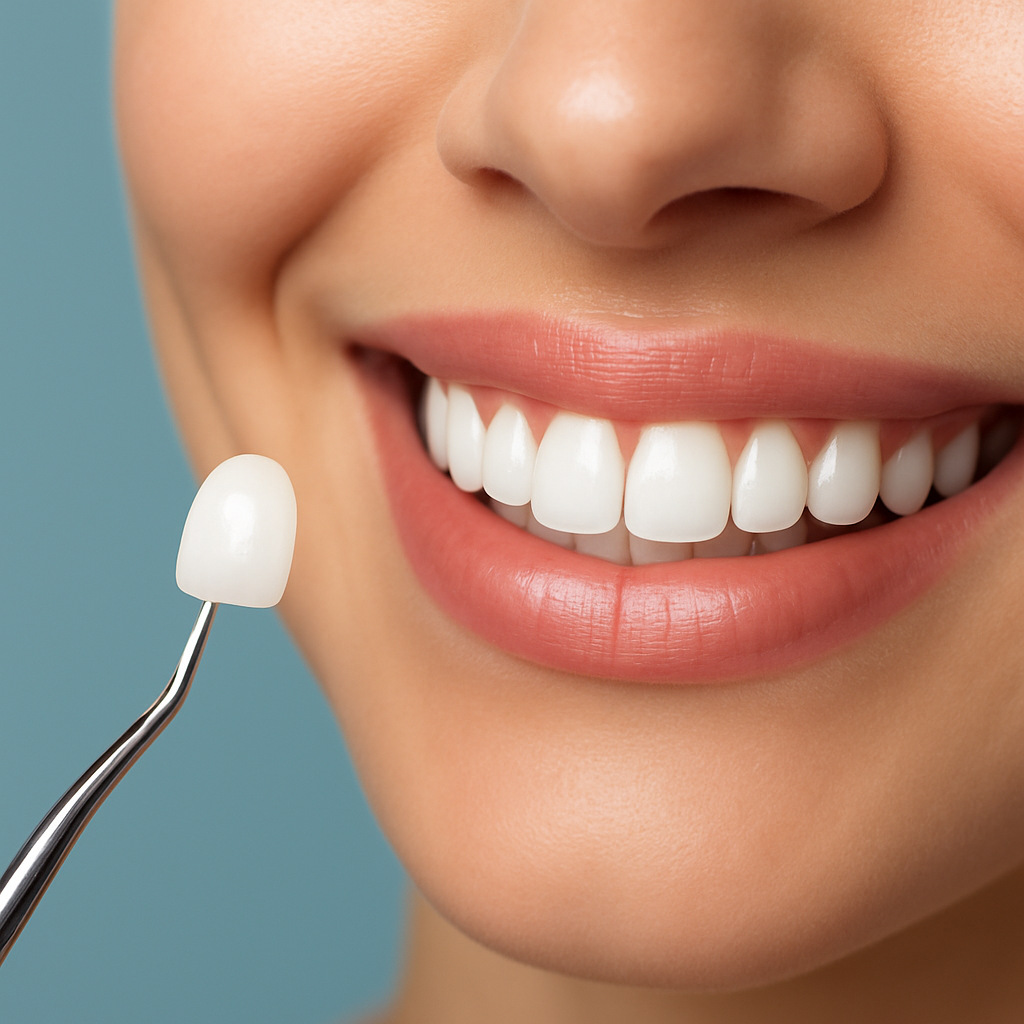
How Porcelain Veneers Work and Who is a Good Candidate
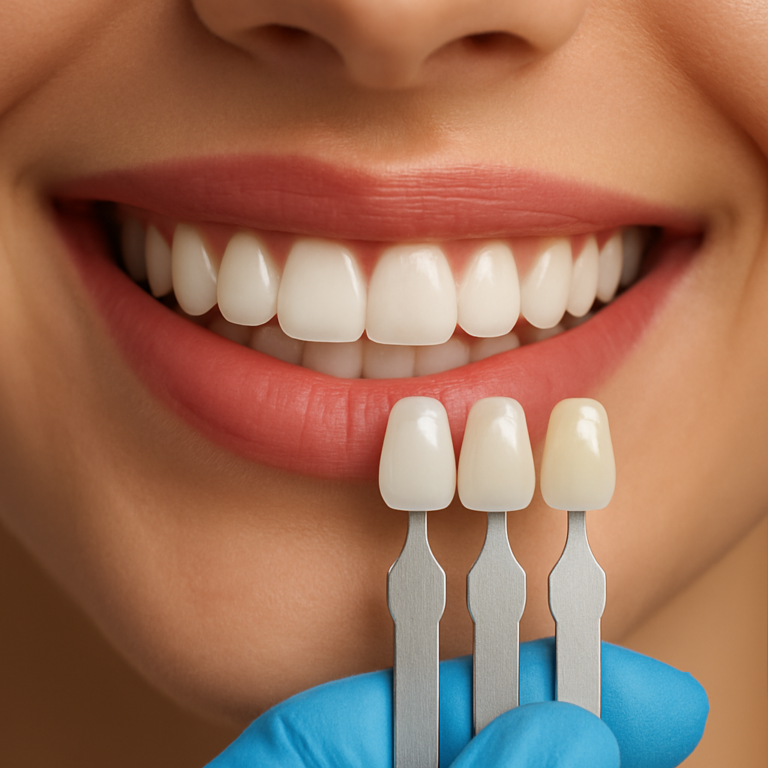
Porcelain veneers are a predictable way to change tooth shape, size, and color—but they work best when there is healthy enamel to bond to. When bonding is done to enamel the bond is stronger and failures are less common; bonding heavily to dentin raises the risk of de-bonding and staining over time.
Materials and how they affect results
Feldspathic porcelain gives the most lifelike translucency but is fragile for high-stress cases. Lithium disilicate (e.max) balances natural appearance with good strength and is the workhorse for many veneers. High-translucency zirconia is strongest but can look less lifelike unless layered by a skilled ceramist. Material choice matters because it changes how thin the veneer can be, how well it masks dark teeth, and how it wears opposing teeth.
- Workflow in practice: consultation with photos and digital mockup, diagnostic waxup or temporary mockup, minimal tooth preparation, digital or physical impression, lab fabrication, try-in and adhesive cementation, 2-week and 6-month checks
- Key practical tradeoff: more tooth reduction improves masking of dark stains but removes enamel and increases long term risk; conservative prep preserves enamel but limits how much color change you can achieve
Who is a good candidate and common exclusions
Good candidates have localized cosmetic concerns: chipped edges, worn incisal contours, small gaps, or moderate intrinsic staining that does not respond to whitening. Candidates must have stable periodontal health and either minimal bruxism or a plan to manage grinding with a night guard. Not ideal are people with active gum disease, very heavy clenching without control, insufficient enamel, or severe misalignment that would be better treated with orthodontics first.
Practical limitation: veneers do not fix bite mechanics. If occlusal forces are not addressed, veneers will chip or debond. In practice I avoid veneers on patients who need major bite reconstruction unless a staged plan is in place that includes occlusal equilibration or splint therapy.
Concrete Example: A 36 year-old patient wanted six upper teeth closed for diastemas and a brighter smile. We used lithium disilicate (e.max) veneers, performed a digital mockup during the first visit, did conservative prep and temporaries, and placed final veneers 10 days after lab work. Local pricing in Katy usually ranges from $900 to $2,500 per tooth depending on materials and lab; for this mid-range e.max case the estimate was about $1,400 per tooth.
Key point: control the bite and pick the right material. Those two decisions make the difference between a veneer that lasts and one that becomes a recurring problem.
If you are considering veneers in Katy, preview a practice portfolio and ask to see cases with similar starting problems. For a local resource see veneers services at Smile Avenue Family Dentistry and the clinical overview at Mayo Clinic. Next consideration: decide if orthodontic alignment or a night guard should be part of your plan before fabricating final veneers.
How Professional Teeth Whitening Works and Its Limitations
Straight answer: professional whitening lightens most surface and many deeper stains by breaking down chromogens in the tooth structure, but it is not a universal fix for all discoloration and it will not change the shade of ceramic restorations or well-saturated intrinsic stains.
How it works: hydrogen peroxide or carbamide peroxide penetrates enamel and oxidizes pigmented molecules. In-office systems use higher concentrations and light or heat to accelerate the reaction for immediate change; dentist-dispensed take-home trays use lower concentrations over days to weeks for gentler, cumulative results. Both approaches are more controlled than store-bought products because a cosmetic dentist katy tx supervises application, protects soft tissues, and manages sensitivity.
Comparing options and what to expect
| Option | Typical protocol | Result timeline | Typical Katy price range | Best use case |
|---|---|---|---|---|
| In-office whitening (high concentration) | Single 60-90 minute session with rubber dam or gingival barrier | Immediate change, often 3-8 shades | $300 – $700 | Fast whitening for special events or patients who tolerate short-term sensitivity |
| Dentist-dispensed take-home trays | Custom trays with 10-20% carbamide peroxide applied nightly for 1-4 weeks | Gradual improvement over 1-4 weeks | $200 – $400 | Patients with sensitivity concerns or needing controlled, steady whitening |
| Over-the-counter strips/gels | Pre-made strips or gels, variable concentrations, no custom tray | Slow, modest improvement over several weeks | $20 – $100 | Low-cost maintenance for mild extrinsic stains; not reliable for major color change |
Practical trade-off: higher concentration gives faster results but increases transient sensitivity and the chance of uneven whitening around restorations. In practice, I recommend treating active decay and gum inflammation first, then whitening, then finalizing any veneers, crowns, or bonding so restorations can be matched to the new tooth shade.
Concrete example: a 45 year-old patient with coffee staining and mild sensitivity had a routine cleaning, received custom take-home trays and 10% carbamide peroxide for three weeks, and saw a four-shade improvement with minimal sensitivity. Because she had two older porcelain crowns on front teeth we scheduled shade verification and potential crown replacement after whitening to ensure a consistent final appearance.
What often gets misunderstood: patients assume whitening will match veneers or crowns. It will not. Good cosmetic dental planning sequences whitening first, re-evaluates shade stability, and then fabricates restorations. That sequence saves money and prevents mis-matched restorations that need early replacement.
Next consideration: discuss sensitivity management and restoration planning with your cosmetic dentist during the consultation so whitening is sequenced correctly within a broader smile makeover katy tx plan.
What a Smile Makeover Really Entails: Staging, Digital Planning, and Multi-disciplinary Care
Big point: a smile makeover is not a single procedure but a sequence of coordinated steps — each decision changes cost, timeline, and the final esthetic match. Planning matters more than polishing; rushed sequencing is the most common cause of avoidable rework.
How clinicians break the work into stages
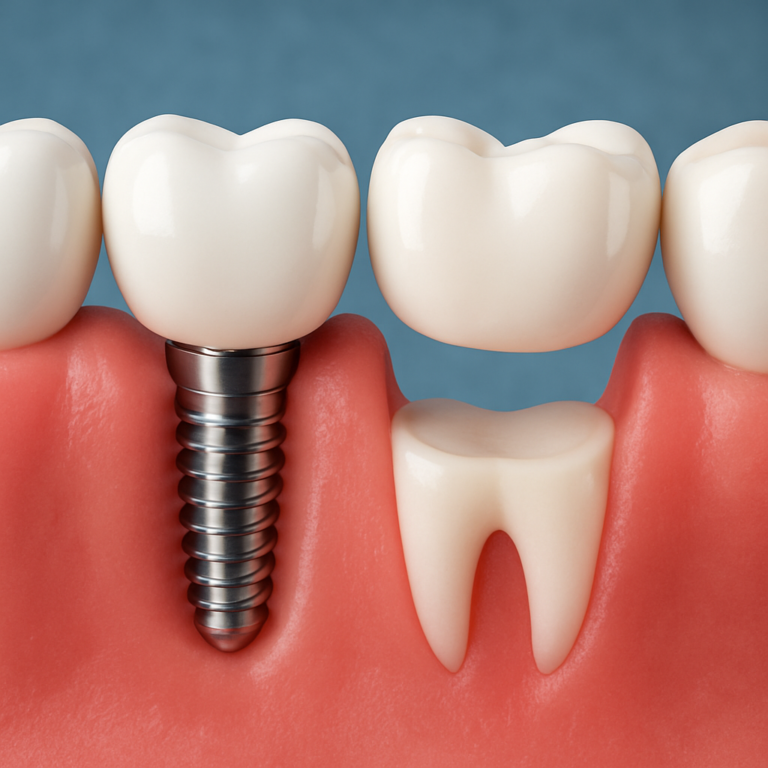
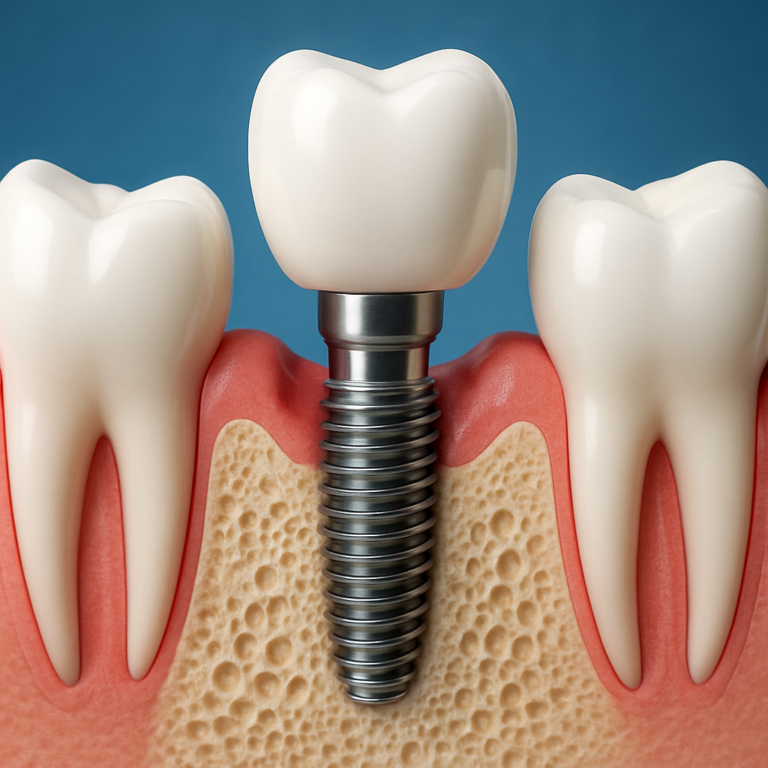
Stage planning reduces surprises. Typical phases are alignment, restorative preparation, surgical or periodontal work, and final finishing. Treating orthodontics such as Invisalign before veneers often avoids excessive tooth reduction. Placing implants before veneer fabrication prevents shade and contour compromises that happen when restorations are made around a missing tooth.
- Phase 1 – Diagnostic and digital mockup: photographs, 3D scan, and digital smile design to set realistic proportions and communicate expectations.
- Phase 2 – Alignment and provisionalization: minor tooth movement or temporary restorations to test shape and phonetics; this can take weeks to months depending on complexity.
- Phase 3 – Definitive restorations and soft tissue work: implants, crowns, veneers, and gum contouring placed once teeth are well positioned and tissues are healthy.
- Phase 4 – Occlusal adjustment and maintenance: polishing, night guard fabrication, and scheduled follow-ups to protect the result.
Digital tools are necessary but not sufficient. Using digital smile design, 3D scans, and CAD/CAM milling lets you preview results and reduce lab surprises, but a skilled ceramist and a clinician who understands occlusion still determine whether the mockup is viable. Same-day CEREC crowns are useful for speed and emergencies, yet for high-end esthetics layered lab ceramics often produce better color depth and translucency.
Real tradeoff: faster equals cheaper and sometimes acceptable; slower equals more predictable and often longer-lasting. If your priority is flawless front-tooth esthetics, accept a longer timeline and lab-processed ceramics. If you need a quick improvement for an event, accept compromises in texture and shade matching.
Concrete Example: A patient in Katy lost a lateral incisor. We started with a digital mockup and provisional resin-bonded bridge while aligning adjacent teeth with Invisalign for three months. After implant placement and a three-month healing period, a ceramic implant crown plus two adjacent porcelain veneers were fabricated to match shade and emergence profile. Final delivery occurred at month seven with a night guard prescribed to protect the new work.
Practical judgement: ask your cosmetic dentist katy tx for a staged cost and decision map during the first visit and demand at least one digital mockup you can live with. If a practice tries to commit you to full fabrication without a mockup or provisional stage, treat that as a red flag. For local planning resources and to see how Smile Avenue handles digital mockups and phased plans, visit Smile Avenue Family Dentistry Katy and review general design principles at American Academy of Cosmetic Dentistry.
How to Choose a Cosmetic Dentist in Katy, TX
Start with outcomes, not promises. Look for a practice that documents predictable workflows and admits what they cannot reliably do in a single visit.
A good cosmetic dentist katy tx combines clinical skill, laboratory relationships, and honest sequencing. Prioritize practices that use digital mockups and provisional stages, disclose material options (for example, e.max versus layered zirconia), and provide a clear plan for protecting restorations from bite forces. Cheap marketing and same-day guarantees are fine for certain Quick Fixes, but they are a red flag when your case needs shade depth, translucency, or implant coordination.
Practical checklist for evaluating a local practice
- Credentials and continuing education: Confirm the dentist pursues cosmetic training and memberships such as the American Academy of Cosmetic Dentistry; verify license status via the Texas State Board of Dental Examiners.
- Case evidence that matches your problem: Ask to see before-and-after sequences of patients who began with the same issues you have (stained veneers, missing laterals, diastemas), not just glamorous finished photos.
- Digital planning and lab partnerships: Ensure the office uses digital smile design or intraoral scanning and works with ceramists experienced in porcelain veneers katy tx materials — this matters for color and texture accuracy.
- Transparent staging and fees: The practice should hand you a phased treatment map with estimated dates and costs (including provisional work, night guards, and follow-ups).
- Emergency and family logistics: Check office hours, sedation options if you are anxious, and how they handle after-hours problems — important for families and implant cases.
Trade-off to accept: superior esthetics cost time and often more lab work. If you want minimal downtime and lower cost, accept compromises in surface texture and shade nuance. If you want front-tooth perfection, budget for lab-processed ceramics and provisional trials.
Concrete example: A patient compared two Katy offices: one advertised same-day veneers milled in-office, the other offered a digital mockup, two-week provisionals, and lab-layered e.max veneers. For a demanding anterior case the patient chose the staged approach despite the longer timeline because the layered e.max restorations delivered superior translucency and a consistent emergence profile next to natural teeth.
What most people miss: warranties and maintenance plans matter. Ask whether the practice provides a documented maintenance schedule, how they handle chipping or debonding, and whether replacement costs are clearly stated. Practices that avoid these questions are often hiding a high rework rate.
- At-consult script: Please show me a start-to-finish case like mine; which materials would you use and why; what are the exact steps and decision points; how will you protect my teeth from wear; and what financing or phased options do you offer?
- Bring to your visit: recent X-rays if available, photos of your smile from different angles, and a realistic budget range so the dentist can tailor options.
Next consideration: bring a prioritized list of what matters most to you—color, durability, time, or cost—so your Katy cosmetic dentist can design the treatment path that fits your life, not their marketing.
What to Expect at Smile Avenue Family Dentistry for Veneers, Whitening, or a Smile Makeover
Straight to the point: at Smile Avenue you will move from discovery to a visual plan in the first one or two visits — not into a pressured sales pitch. Expect a clinical review that prioritizes function as much as looks: the team checks bite dynamics, gum health, and existing restorations before discussing veneers, professional whitening, or a full smile makeover.
What happens on visit one: a full-mouth assessment with intraoral photos, a 3D scan, and records of how your teeth meet and speak. The dentist uses a digital smile simulation so you see plausible outcomes and can sign off on priorities (whitening first, then restorations, or vice versa). If you want to preview specific services, see the office pages for veneers and teeth whitening.
Typical workflow and patient choices
After records the team lays out a phased map: diagnostic mockup, any necessary hygiene or periodontal work, whitening if requested, provisional restorations or orthodontic alignment when needed, and final lab-processed ceramics or crowns. Trade-off to note: accelerating the timeline (same-day or single-visit fixes) reduces lab time and cost but often sacrifices the nuanced color depth and surface texture that matter for front-tooth esthetics.
- Sedation and patient comfort: sedation options are available for anxious adults, but plan mentally — heavy sedation can make shade selection and fine esthetic choices harder because you are less able to evaluate subtle differences.
- Lab partnerships and materials: Smile Avenue works with local and regional ceramists for e.max and layered ceramics; you will be shown material samples so you can compare translucency and edge character.
- Family logistics: the office schedules around school and work, and can coordinate care for parents and teens (for example, whitening for one family member while another receives Invisalign).
Concrete Example: a patient from Cinco Ranch booked a consultation and received a 3D scan on day one. She chose professional take-home whitening to do over two weeks, then returned for conservative veneer preparation and provisionals. The lab completed layered e.max veneers in 10 business days and final seating occurred on visit four, about five weeks after her initial appointment. Financing was split into diagnostic, provisional, and final phases to keep payments predictable.
A practical limitation to plan for: cosmetic components (veneers, bonding, crowns) cannot be reliably color-matched to teeth that will still be whitening. Expect a deliberate pause between whitening and final fabrication when both are part of the plan. That pause is inconvenient but prevents costly rework.
Important: insist on at least one provisional stage or digital mockup before definitive veneers or crowns — it reduces surprises and gives you a realistic preview.
Next consideration: if you want to move forward, schedule the records visit first and ask for a phased estimate. That keeps decisions clear, budgets manageable, and gives you time to test whitening and provisional shapes before anything permanent is made.
Cost, Financing, and Insurance Considerations in Katy, TX
Reality check: most cosmetic work you see on portfolios is paid out of pocket and prices vary more by clinical complexity and lab quality than by the label veneer or crown. Expect the same procedure to cost differently between a quick chairside approach and a staged, lab-driven case with a master ceramist — the latter is what produces true front-tooth depth and often costs noticeably more.
Why prices swing: material selection (layered e.max versus high-translucency zirconia), number of teeth treated, whether orthodontics or implants are required first, and whether the practice uses local, high-end dental labs all push prices. Staging also matters: splitting work into diagnostic, provisional, and final phases spreads payments but adds discrete fees for temporaries and additional visits.
Insurance reality: most purely cosmetic elements are excluded from coverage. However, when treatment restores function — for example replacing a fractured tooth with a crown, or placing an implant following trauma — insurers may cover part of the cost. Practical step: get an itemized treatment plan with procedure codes from your cosmetic dentist and request a predetermination from your insurer before any irreversible work begins. For license and scope questions, check the Texas State Board of Dental Examiners.
Financing that actually works: practices in Katy commonly use phased billing (diagnostic fee, provisional fee, final restoration fee), third-party plans like CareCredit, and in-house payment arrangements. Important trade-off: zero-interest short-term plans can be useful; long-term loans with interest increase lifetime cost. Ask for an amortization illustration so you can compare total paid under each option rather than monthly convenience alone.
Concrete example: a patient wanting a 6-tooth veneer-based smile makeover split the cost into three stages: records and digital mockup, provisional restorations while whitening was completed, and final lab-processed veneers. She used a short-term CareCredit plan to cover the final phase only, lowering monthly outflow during the whitening and provisional period and avoiding carrying interest across the whole project. That sequencing kept the family budget manageable and let her confirm the provisional shapes before committing to final lab work.
What to demand at your consult: a written, phased estimate that separates cosmetic versus restorative line items, the expected timeline for payments, who covers lab remakes or adjustments, and whether any warranty or maintenance plan is offered. If a practice resists itemizing or pushes full payment up front, treat that as a red flag.
Next consideration: before you sign any consent, get a predetermination from your insurer, compare at least one third-party financing quote, and confirm the clinic will provide a provisional stage so you can test esthetics before final payment.
Recovery, Maintenance, Longevity, and When to Call the Dentist
Immediate reality: most cosmetic dental procedures settle quickly, but the long-term result depends on predictable maintenance and early attention to problems. A local cosmetic dentist katy tx will give you a short recovery plan and a longer maintenance schedule — both matter. Ignore the maintenance and even excellent veneers or crowns become a recurring expense.
Short-term recovery: what to expect in the first week
Typical symptoms: expect mild sensitivity after whitening, light soreness around injected areas after crowns or implants, and an unfamiliar bite for a few days when new restorations settle. Use acetaminophen or ibuprofen unless your provider advises otherwise, follow soft-food guidance for 24–72 hours when indicated, and keep temporary restorations clean to avoid early debonding.
Practical limit: aggressive chewing or hard foods in the first week is the single most common cause of early veneer or provisional failures. If you need a fast return to normal eating, discuss provisional strength and occlusal adjustments with your cosmetic dentistry katy tx team before treatment.
Maintenance that actually extends lifespan
Daily care: brush twice with a non-abrasive fluoride toothpaste, floss or use interdental cleaners, and avoid nightly tobacco or heavy red-wine habits if you want stain resistance. For people who grind, a night guard is not optional — it is preventive maintenance that preserves veneers, crowns, and implants.
Trade-off to understand: a custom night guard adds cost and occasional discomfort, but it routinely prevents catastrophic failures that require full replacement. In my experience treating Katy patients, those who skip night guards end up with chips or loose restorations far sooner than those who wear them.
Procedure-specific aftercare (concise checklists)
Whitening aftercare: avoid staining agents for 48–72 hours, use desensitizing toothpaste if needed, and plan touch-up trays every 6–18 months depending on diet and smoking. If you had in-office whitening, expect short-lived sensitivity; use the provided neutralizing gels and call if sensitivity persists beyond a week.
Veneers and crowns: avoid biting directly into hard foods with the treated teeth for two weeks, carry the emergency kit your dentist provides for temporary re-cementation, and report loose margins or sudden color changes. Clean margins meticulously — plaque at the edges speeds staining and decay under restorations.
Implants and surgical sites: follow antibiotic and chlorhexidine instructions exactly, avoid rinsing vigorously for 24 hours, and do not disturb sutures. Mobility of an implant is not normal; call immediately if you notice any movement.
Simple preventative steps (night guard, stain avoidance, and regular hygiene) typically double the functional life of restorations in real practice.
Concrete example: a patient from Cinco Ranch received four porcelain veneers and skipped the night guard. Within 14 months a small chip developed on an incisal edge after biting a tortilla chip. We repaired the chip with composite the same day, then delivered a hard acrylic night guard. The repair lasted, and the remaining veneers required no replacement at 5-year follow-up because the guard removed the destructive contact pattern.
When to call your dentist immediately:
- Call now if you have severe, escalating pain or fever after surgery.
- Call now for swelling that worsens after 48 hours or for bleeding that will not stop.
- Call now if a veneer or crown comes off, a restoration feels loose, or an implant moves.
- Call now if you notice persistent and rapidly spreading color change at a margin or sudden bite changes that cause chronic discomfort.
Judgment you need to hear: cosmetic restorations are low-maintenance only when you treat them as part of your daily routine. Most failures I see are preventable through modest behavior change and early reporting of problems. If your provider in Katy does not give a written aftercare plan and a clear emergency contact, consider that a red flag.
Next consideration: before you leave the final seating visit, get the written maintenance calendar, ask for emergency instructions, and confirm whether short-term repairs are handled same day — that tiny administrative step saves hours and money if something goes wrong.