What Makes the Best Dentist in Cypress, TX? Patient Reviews, Services, and What to Expect
What Makes the Best Dentist in Cypress, TX? Patient Reviews, Services, and What to Expect
Searching for the best dentist cypress tx can feel like sifting through conflicting reviews and long service lists. This article shows how to read patient feedback, which services and technologies matter, what to expect at your first visit, and the right questions to ask before you book. We use Smile Avenue Family Dentistry as a local example so you can see these evaluation steps applied to a real Cypress practice.
How to Interpret Patient Reviews and Reputation
Star averages are a blunt instrument. A four point eight or three point five rating tells you little about reliability, billing honesty, or emergency access — which are the things that matter when choosing the best dentist cypress tx.
What to prioritize in comments. Look for recent, multi sentence reviews that name the procedure, describe outcomes, or mention logistics such as same day appointments, short wait times, or clear cost estimates. These operational details predict whether the dental clinic Cypress TX will work with your schedule and budget.
- Trust signals: mentions of same day emergency care, before and after photos for procedures like dental implants Cypress TX or veneers in Cypress TX, staff replies that address concerns, and consistent reports about billing transparency
- Red flags: repeated notes about billing surprises, complaints about sterilization practices, or many reports of long delays between diagnosis and treatment
- Cross-platform match: similar themes across Google Reviews, Healthgrades, and Facebook increase credibility
Practical trade-off. Newer practices often have fewer reviews but can offer modern technology and flexible scheduling. Established practices usually have more feedback to evaluate, but older reviews may reflect a previous clinician or office manager. Weight recency and specific content higher than total review count.
How to verify a review quickly
- Check the date and look for a photo or detailed description of the procedure such as root canal Cypress TX or Invisalign Cypress TX
- See if the practice replied — an engaged office will address mistakes and explain next steps
- Cross-check the reviewer profile and look for matching comments on another platform
- Confirm provider credentials via the Texas State Board of Dental Examiners when a clinical claim is the deciding factor
Concrete example: A recent review describing a same day crown repair that includes a before and after photo, the procedure date, and mention of a staff member is far more useful than a one line five star that says great experience. That detailed review suggests operational reliability and a documented clinical outcome you can inspect.
Judgment that matters. In practice, patients who value predictable scheduling and transparent billing should give more weight to repeated operational praise than to generic cosmetic praise. Cosmetic results are important, but they are often subjective and easier to polish in marketing; look for evidence of consistent technical outcomes like well documented implant or crown work instead.
Next consideration. Use reviews to shortlist two or three dental offices and call them with targeted questions about insurance, emergency slots, and the technologies they use; that phone interaction will confirm whether the reputation you read matches real world responsiveness.
Services That Determine a Full Service Family Practice
Straight to the point: a true full service family practice is defined by what it keeps in-house and how it manages transitions when referrals are needed. Scope matters less than how seamlessly the team moves between preventive care, restorative work, orthodontics, and urgent treatment for every family member.
Which services actually matter and why
| Service | Why it matters / what it signals about the practice |
|---|---|
| Preventive hygiene and periodontal care | Stable baseline for family health; shows commitment to ongoing maintenance and local dental hygienist staffing. |
| Pediatric dentistry | Ability to treat children on site reduces stress and improves continuity; look for pediatric scheduling practices, not just tolerance for kids. |
| Restorative care (fillings, crowns, root canal) | Indicates technical competence and same-office continuity for follow up and complications. |
| Dental implants and oral surgery | In-house implant placement or coordinated referral with documented implant systems improves predictability of outcomes. |
| Orthodontics (Invisalign, braces) | When offered locally, reduces coordination errors between providers and speeds treatment planning for teens and adults. |
| Cosmetic services (veneers, teeth whitening, smile makeovers) | Shows aesthetic capability; important for adults but verify before/after cases to separate marketing from skill. |
| Emergency and sedation dentistry | Critical for families; on-call access and sedation options reduce needless ER visits and poor temporary fixes. |
Practical trade-off: breadth can blur depth. A clinic that lists implants, Invisalign, and oral surgery may still refer complex cases out. That is not a failure — it can be the right, safer choice — but you should expect clear protocols for referrals, co-treatment, and post-op follow up rather than a vague promise that everything is handled.
Real-world example
Concrete example: a working parent in Cypress needs a failing molar extracted and an implant plus minor orthodontic alignment. If the dental office performs the extraction, places the implant, and coordinates aligner scans in-house, the patient avoids multiple intake visits and duplicated X rays. That continuity shortens total treatment time and reduces the chance of miscommunication across providers.
- Ask who performs the work: confirm whether the general dentist, an in-house oral surgeon, or a referred specialist will do the procedure.
- Verify follow-up responsibilities: get a clear plan for who handles complications, warranty on restorative work, and maintenance appointments.
- Check technology tied to services: inquire about CBCT for implants, intraoral scanners for aligners, and same-day crown systems — technology reduces surprises but does not replace skill.
Technology and Credentials That Improve Predictability
Fact: the right combination of clinical credentials and modern diagnostic tools reduces surprises — not because the equipment fixes problems, but because it reveals them earlier and forces a plan that can be executed reliably. For anyone hunting for the best dentist cypress tx, this is where predictability is won or lost.
How credentials and tools change outcomes
Why it matters: clinicians who document training and who use advanced imaging make fewer intraoperative pivots. Training tells you a provider knows accepted protocols; imaging and digital workflows give the team a repeatable plan — scans, surgical guides, digital crowns, and aligner setups shrink the unknowns that cause delays and extra visits.
- Verify licensure: look up the dentist on the Texas State Board of Dental Examiners at TSBDE license lookup. Confirm current standing and disciplinary history.
- Check memberships and certifications: memberships such as the ADA or specialty academy affiliations indicate continuing education; search the practice bio and cross-check at American Dental Association.
- Confirm procedure-specific credentials: for clear aligners check the provider on the Invisalign doctor locator; for implants ask which implant system they use and whether the surgeon has documented surgical training.
Practical trade-off: advanced diagnostics cost more and can be oversold. A full 3D scan is appropriate for implant placement near the sinus or complex root anatomy, but it is unnecessary for a routine filling. Expect a clear clinical justification before you pay for higher-end imaging.
Concrete example: A patient with a fractured upper molar near the maxillary sinus needs an implant. The dentist orders a 3D CBCT study, plans implant position digitally, and fabricates a surgical guide. The guide reduces guesswork during surgery, and the lab-produced provisional crown shortens restoration time. The result: fewer visits, predictable placement, and lower risk of sinus complications.
Judgment: a practice that advertises every machine but cannot explain when and why each one is used is a red flag. Prefer clinicians who tie a specific tool to a clear clinical decision and who will show you your scans and a step-by-step plan during the consultation — that conversation is more telling than slick equipment photos.
Ask to see your own scans and the proposed treatment sequence. If the office explains trade-offs and alternatives clearly, predictability has already improved.
What to Expect at Your First Visit in Cypress
First visit purpose: the initial appointment is about information and planning, not immediate fixes. Expect intake and diagnostics first — the team needs a clear baseline (medical history, exam, imaging, periodontal charting) before recommending anything irreversible like extractions, implants, or veneers.
Arrival and paperwork
Check-in reality: plan to arrive 10 to 15 minutes early even if you filled forms online. Bring your ID, insurance card, a current medication list, and any prior dental X rays or procedure notes you can get from your previous dentist. Providing prior records often avoids duplicate imaging and saves you money and time.
Typical clinical sequence
- Medical review and history: staff confirm medications, allergies, and any recent medical changes that affect dental care.
- Comprehensive exam: the dentist or hygienist performs periodontal screening, an oral cancer check, and tooth-by-tooth assessment.
- Targeted imaging: expect bitewing or panoramic X rays; 3D CBCT is ordered only when clinically justified (implant planning, complex anatomy).
- Hygiene and documentation: a cleaning may occur same day, but sometimes it is scheduled after the exam to keep the first visit under an hour.
- Treatment planning and estimate: the dentist lays out options, sequencing, and a written estimate; you should get a clear next-step timeline.
Practical trade-off to know: same-day convenience has limits. Same-day crowns and quick fixes are great for emergencies, but complex cosmetic or implant cases usually require staged visits for better esthetics and long term success. If sedation dentistry is needed, expect pre-visit screening and possibly a separate appointment for the sedated procedure.
Concrete example: a new patient with a painful fractured molar will often be triaged by phone, given an urgent slot, and examined the same day. The dentist may take X rays, perform a temporary repair or extraction, and then schedule a follow-up for the implant consult with a CBCT scan and a written surgical plan — splitting urgent relief from definitive treatment reduces risk and clarifies cost.
Important: insist on a written treatment plan with itemized costs and sequencing before authorizing major work. A clinic that cannot provide that is signaling poor financial transparency rather than clinical uncertainty.
Costs, Insurance, and Financing Options
Bottom line: money and insurance logistics determine whether a recommended treatment actually happens. Most patients waste time on options they cannot afford because they accept a verbal estimate or assume coverage — insist on numbers and paperwork before you schedule major work.
How coverage and billing actually work
Coverage basics: preventive visits are commonly covered, restorative care is partially covered or subject to limits, and cosmetic services are often excluded. The critical distinction is in network versus out of network – being in network usually lowers your out of pocket, but it is not always the best clinical fit.
Practical payment instrument: ask the office for the CDT procedure codes they plan to use and request a predetermination from your insurer. A predetermination converts vague promises into written estimates of what the insurer will pay and what you will owe.
Ballpark cost ranges (planning numbers, not guarantees)
Planning ranges: use these figures only to shortlist options and budget. Routine cleaning and exam: $75 – $200. Composite filling: $150 – $450. Single crown: $900 – $1,700. Root canal (single canal): $500 – $1,200. Single tooth implant (implant, abutment, crown): $3,000 – $6,500. Invisalign: $3,000 – $6,000. Porcelain veneer (per tooth): $900 – $2,500. In-office whitening: $300 – $700.
Trade-off to expect: the lowest sticker price often shifts costs onto you later as repair or redo work. Cheaper labs, lower quality materials, or skipping pre-op imaging can create more visits and higher lifetime cost. Consider long term maintenance when comparing quotes for crowns, implants, or veneers.
- Common financing options: in-house payment plans with fixed installments — ask for the annual percentage rate and total cost
- CareCredit and similar medical credit: useful for spreading high-cost procedures; confirm no-interest promotional windows and deferred-interest traps
- HSA/FSA: tax-advantaged and typically accepted for most restorative and surgical care
- Third-party lenders: can cover large cases but check fees; compare against offering from the dental office
- Negotiated bundles: some practices will bundle implant placement and the restoration for a single fee; ask for a written package that includes follow-up and screw-retained vs cemented crown details
Concrete example: a patient needing a single implant in Cypress gets a written treatment plan from the dental office listing CDT codes, a CBCT requirement, and a staged price. The office helps submit a predetermination to the insurer, the patient pays the deposit from an HSA, and uses a 12-month CareCredit plan for the balance — the written plan prevented surprise billing when a sinus lift was required and clarified which portion the insurer would cover.
Judgment: prioritize practices that produce an itemized, code-based estimate and will help you file a predetermination. An office that dodges codes or refuses to assist with insurance preauthorization is adding risk, not convenience.
Next consideration: if cost or insurance is the blocker, ask the office for alternative clinical sequences and lower-cost interim options. A transparent team will give safe alternatives rather than pressure you into expensive, immediate work.
Evaluating Emergency and Same Day Care Options
Emergency access separates routine clinics from practices that actually support families. For the best dentist cypress tx, emergency capability is more than an advertised line – it is a documented workflow that covers phone triage, rapid in-office assessment, and clear escalation paths for serious facial trauma or uncontrolled bleeding.
What a reliable emergency workflow looks like
A dependable dental office will offer same day appointment slots during business hours, an after-hours contact method, and the ability to perform at least basic definitive care the same visit when clinically appropriate. That means on-site digital X rays, staff trained to handle acute infections and pain, tools for splinting or temporary crown repair, and documented referral agreements with an oral surgeon or hospital for cases beyond the practice scope.
- Triage speed: can you get an appointment within hours, not days
- Scope of same day care: is the office able to extract, splint, place a temporary crown, or only provide pain control and referral
- After-hours protocol: live triage line or clear voicemail with on-call clinician and expected response time
- Imaging availability: immediate intraoral X rays or panoramic imaging to make treatment decisions same day
- Clear pricing: emergency visit fee and typical procedure ranges disclosed up front
Practical trade-off – same day relief does not always equal definitive repair. Emergency appointments are meant to stop pain, control infection, and stabilize teeth. Complex restorative work such as implant placement or final cosmetic crowns generally requires staging. If a practice pushes single-visit definitive solutions for complex problems without a clear clinical rationale, treat that as a red flag.
Phone triage checklist to use now
- Describe the problem plainly: sharp pain, knocked out tooth, swelling, or bleeding
- Ask how soon you can be seen: same day, next morning, or only during regular slots
- Confirm what they will do on the first visit: exam, X ray, temporary repair, prescription
- Request after-hours contact method: direct clinician callback, emergency line, or referral instructions
- Ask about likely charges: emergency visit fee plus any immediate procedure or imaging costs
Concrete example: A child in Cypress knocks out a permanent front tooth at 4 PM. A responsive dentist will triage by phone, instruct on handling the tooth, schedule an urgent slot within an hour if possible, take X rays, attempt reimplantation or splinting, and start antibiotics if there is swelling. Rapid action materially improves the tooth survival rate – that operational capability is exactly what you want from the best dentist cypress tx.
If the office cannot explain their after-hours process or who will be on call, assume emergency coverage is limited and call your local ER for severe trauma or uncontrolled bleeding.
Patient Stories, Before and After Examples, and Local Fit
Real signal: patient case summaries and progressive before and after photos are the clearest, most actionable proof you have when evaluating the best dentist cypress tx. Star ratings tell you satisfaction, but documented treatment sequences reveal whether the practice handles complexity, manages complications, and follows through on maintenance.
What to look for in before and after material
Key criteria: prefer sequences that show the starting condition, interim steps, and the outcome at multiple follow-ups rather than a single polished after photo. Ask whether the clinic can provide clinical notes tied to the images – dates, procedures performed, materials used, and any complications or retreatments.
Practical limitation: cosmetic photos are subject to selection bias and lighting tricks. A clinic that only publishes dramatic after shots without timelines or bite photos is useful for marketing, not for judging technical consistency. Demand context or move on.
Two anonymized, realistic examples
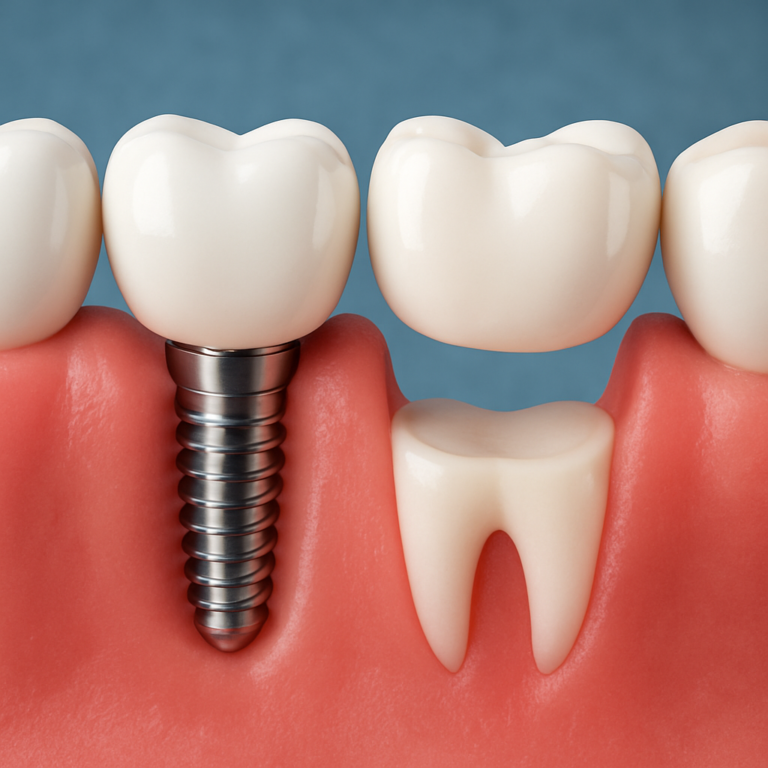
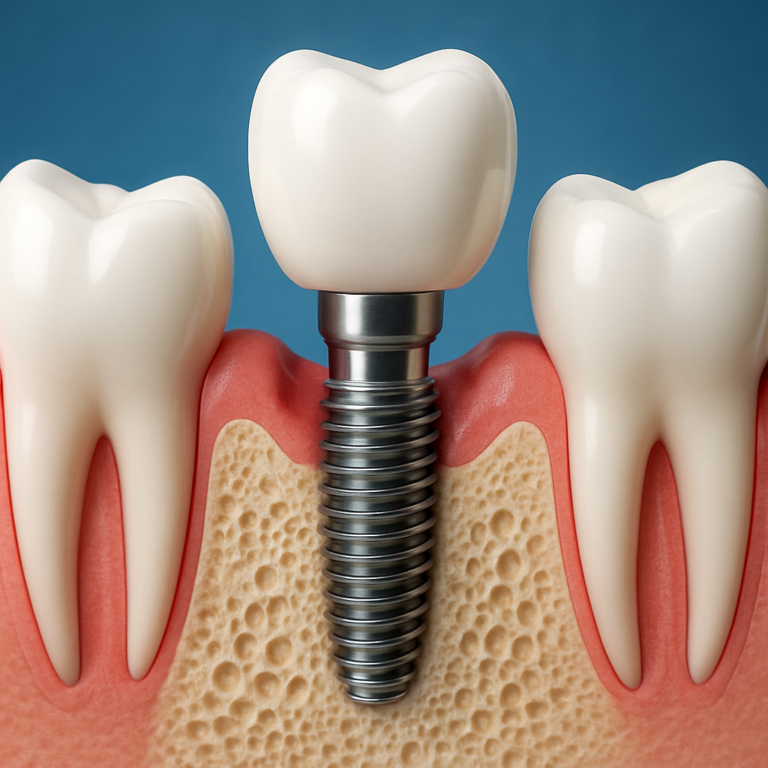
Concrete example: implant and crown sequence. A middle aged patient presented with a fractured lower molar; the office removed the tooth, placed a permanent implant after a healing period, and delivered a porcelain crown. The clinic documented pre-op X rays, a CBCT for implant planning, the surgical guide used, and a 6 month follow-up photo showing occlusion and tissue health. See the practice implant overview at dental implants.
Concrete example: aligner driven smile improvement. A teen had mild crowding and a chipped incisor. The treatment combined Invisalign scans, conservative composite bonding on the chip, and a short aligner series to correct the bite. The office shared scan-to-final photos and the retainer schedule, which lets you judge how much of the result was orthodontic versus cosmetic. See Invisalign.
Judgment: before and after content gains credibility when it pairs visuals with process. If a practice refuses to show pre-op images or to explain staging and maintenance, treat their gallery as a filtered portfolio, not proof of consistent outcomes.
Assessing local fit during a single visit
- Drive and timing: confirm commute time during rush hours and whether the office sits conveniently off major roads in Cypress or near Bridgeland and Towne Lake.
- Parking and entry: verify covered parking, stroller access, and elevator access if you have small children or limited mobility.
- Office rhythm: observe waitroom turnover and whether patient flow separates pediatric and adult care to reduce cross-stress.
- Hours and weekend availability: check for early morning, evening, or Saturday slots that match your work schedule.
- Staff practicalities: ask if front desk staff handle insurance preauthorizations, and whether clinicians review your own scans on-screen during consults.
- After-hours plan: confirm the exact on-call process rather than a vague promise of emergency care.
Before and after photos are necessary evidence but not sufficient. The deciding factor for most families is how the clinic integrates that clinical capability into everyday access, billing transparency, and pediatric friendliness.