Why Dental X-Rays Are Important: Safety, Types, and What They Reveal
TL;DR — Quick Summary
Dental X-rays are safe, low-radiation diagnostic tools that reveal cavities between teeth, bone loss from gum disease, infections at tooth roots, impacted teeth, and other issues invisible during a visual exam. Modern digital X-rays use up to 80% less radiation than traditional film. Most adults need a full set every 3–5 years and bitewing X-rays annually.
What X-Rays Reveal
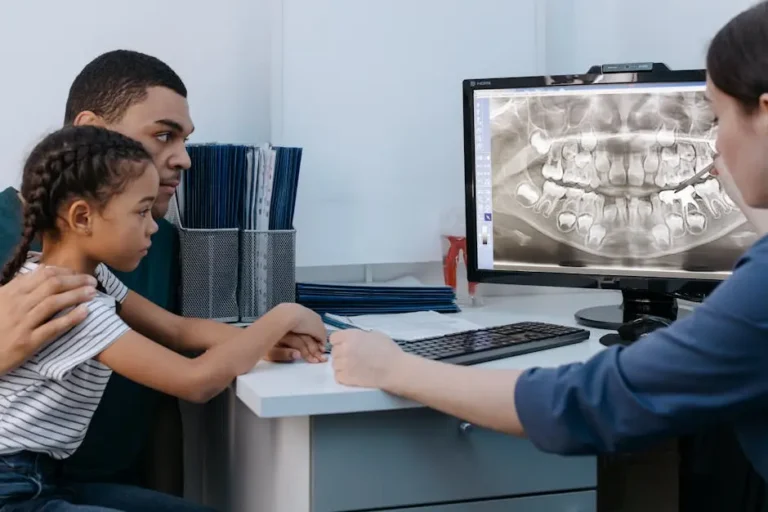
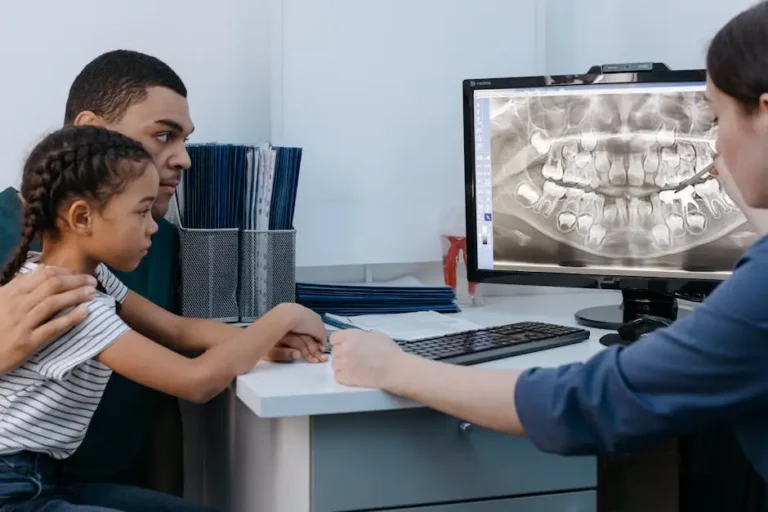
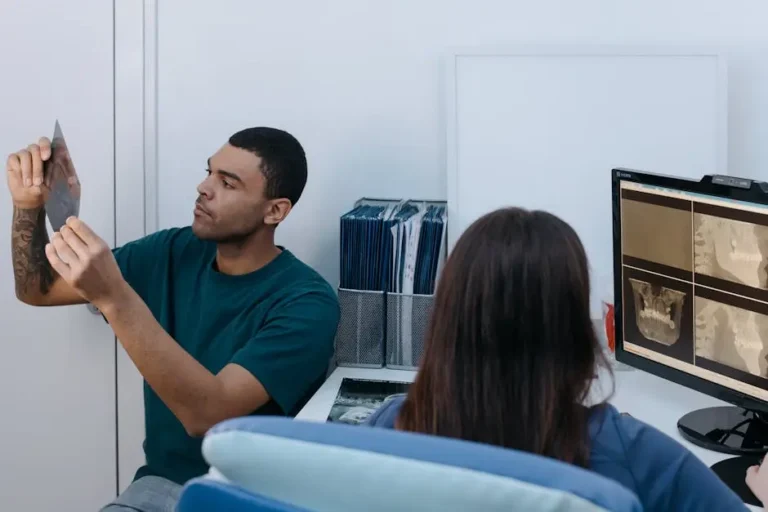
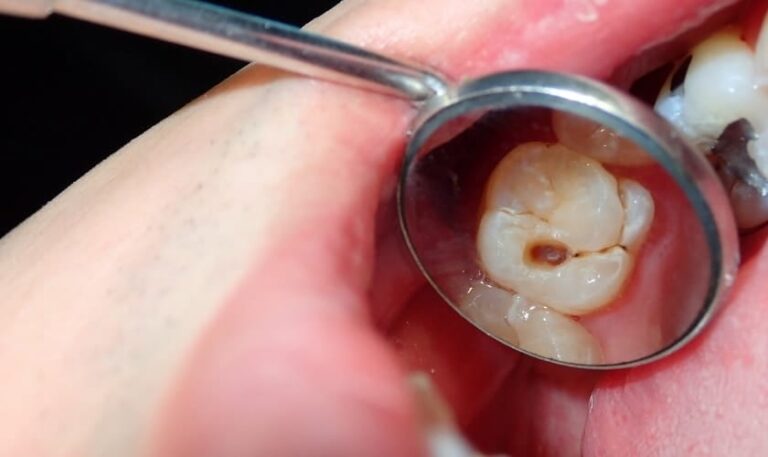
A visual dental exam — even by an experienced dentist — can only see the surfaces of your teeth and gums. Dental X-rays show what’s happening beneath the surface:
Between Teeth
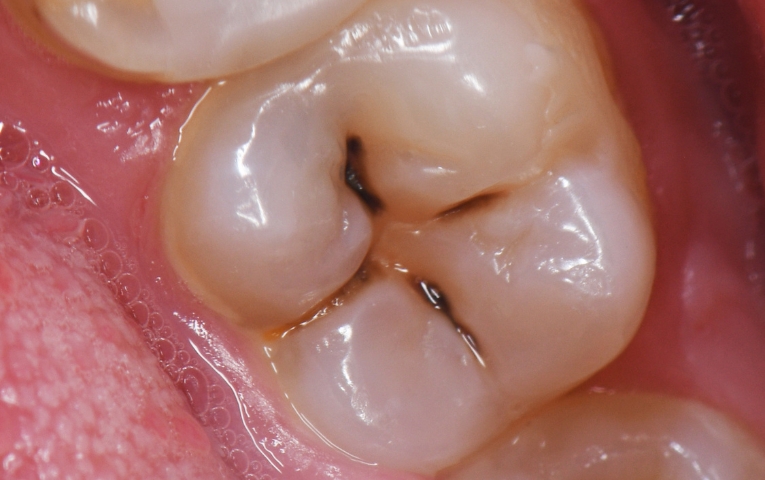
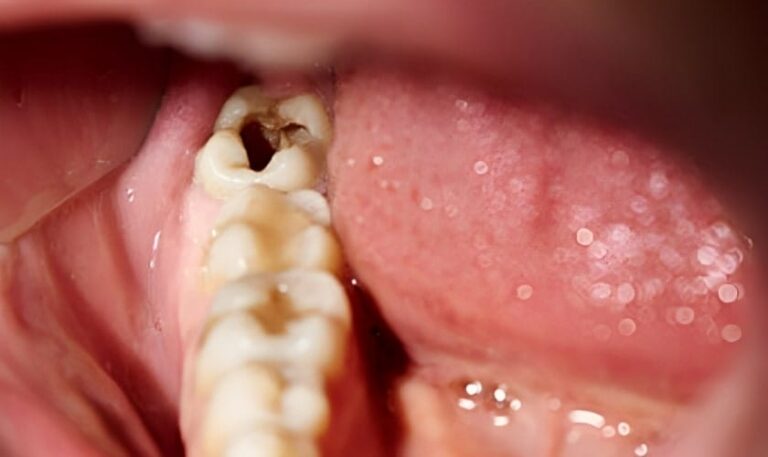
- Interproximal cavities: Decay between teeth is one of the most common types — and it’s invisible without X-rays until it’s advanced
- Tartar buildup: Calcified plaque below the gumline
Below the Gumline
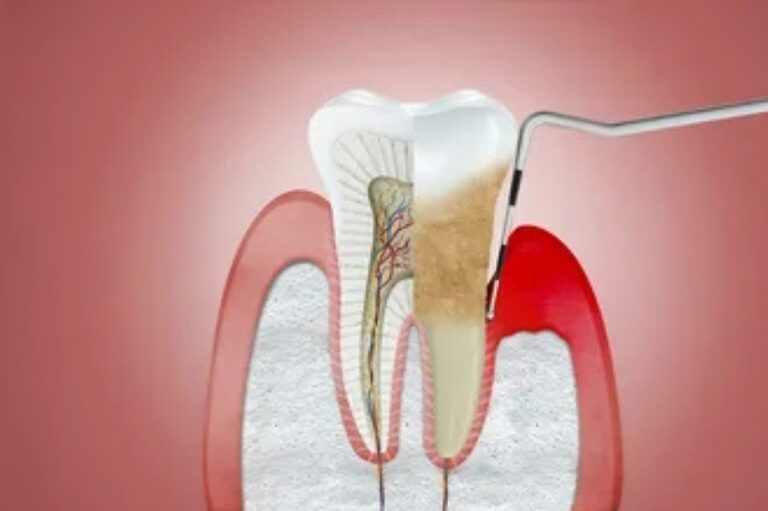
- Bone loss: Gum disease causes gradual bone loss that X-rays detect early
- Root infections: Abscesses at the tip of a tooth root
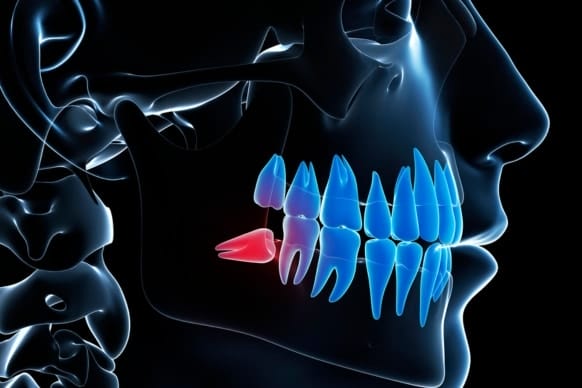
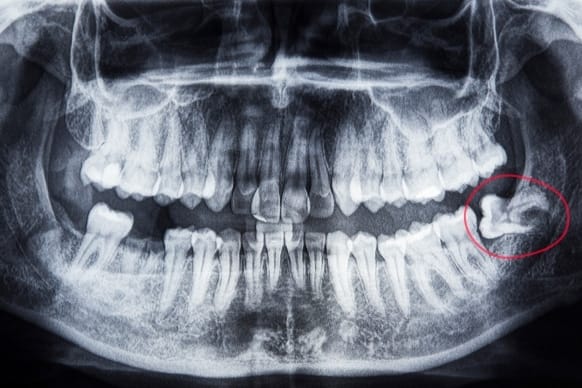
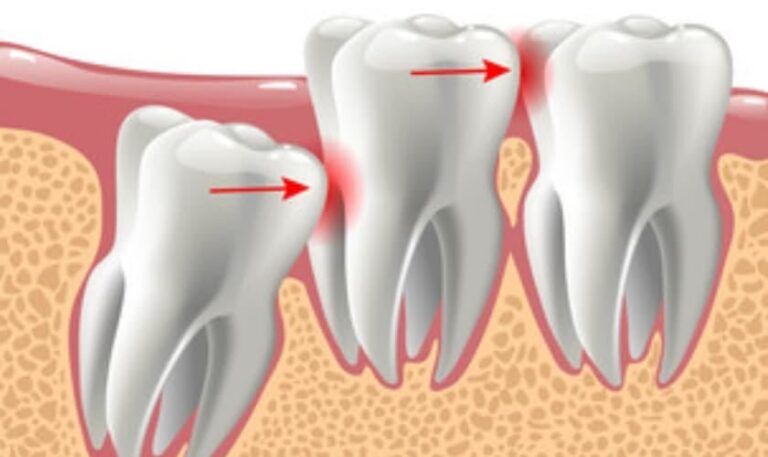
- Impacted teeth: Wisdom teeth or other teeth that haven’t erupted properly
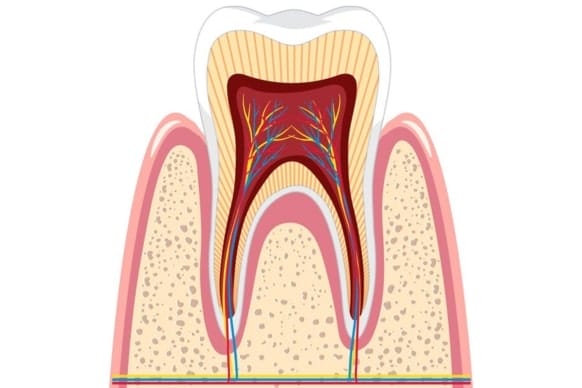
Inside the Tooth
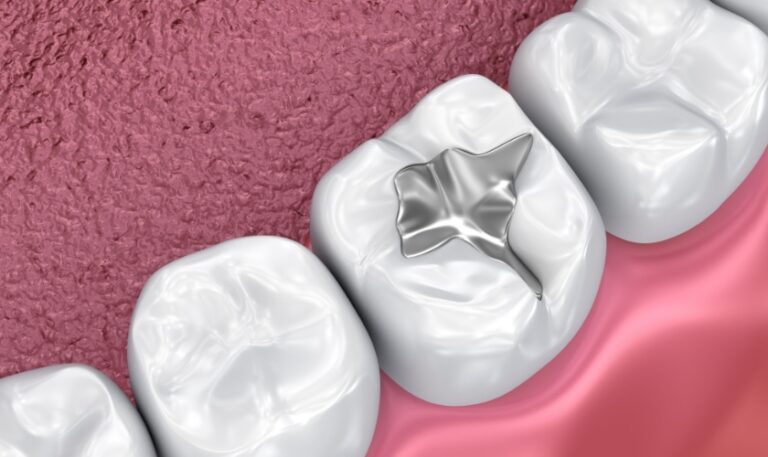
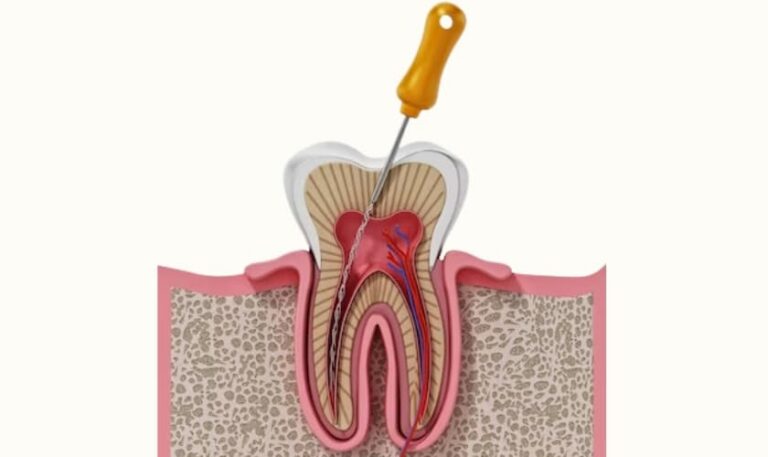
- Decay under existing fillings: Old fillings can develop decay underneath
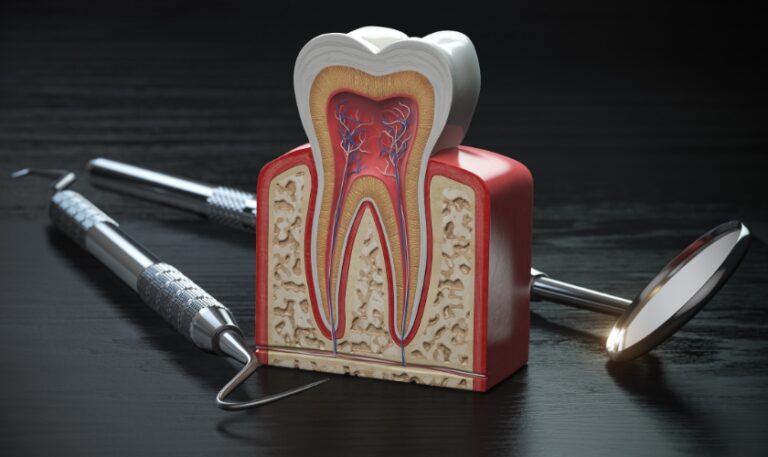
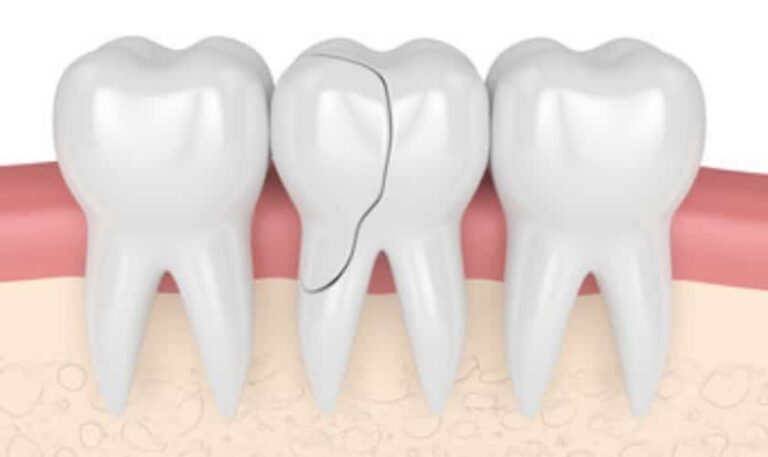
- Root fractures: Cracked roots that don’t show any visible symptoms
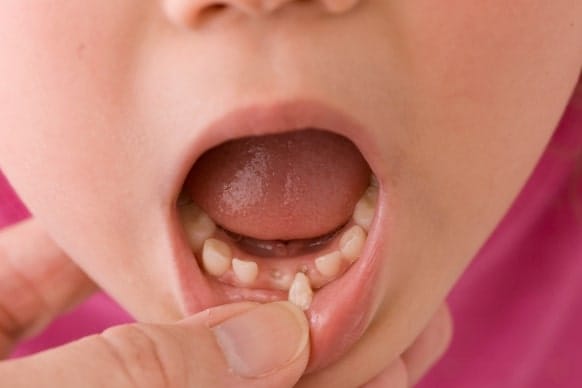
- Developmental issues in children: Missing, extra, or malpositioned teeth
Types of Dental X-Rays
| Type | What It Shows | How Often |
|---|---|---|
| Bitewing | Crowns of upper and lower back teeth; detects cavities between teeth | Every 12 months |
| Periapical | Entire tooth from crown to root tip; shows infections and bone loss | As needed |
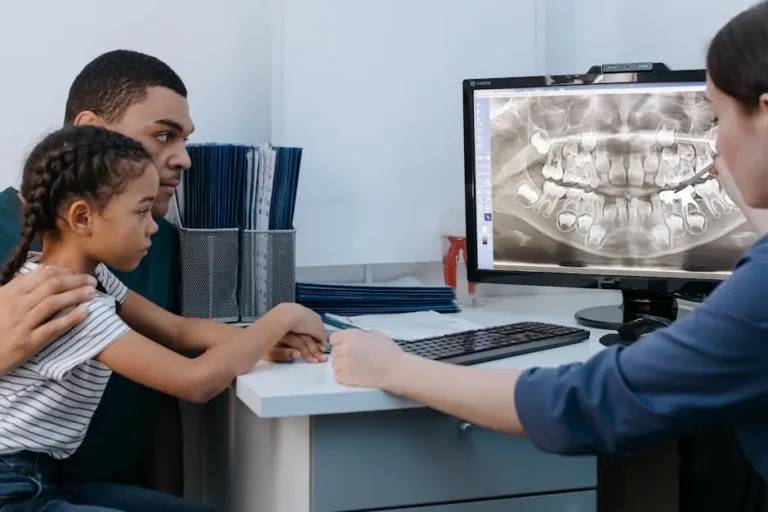
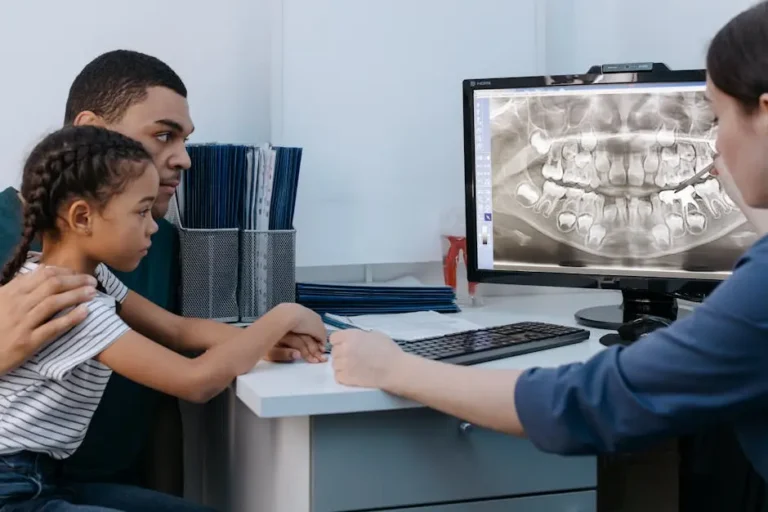
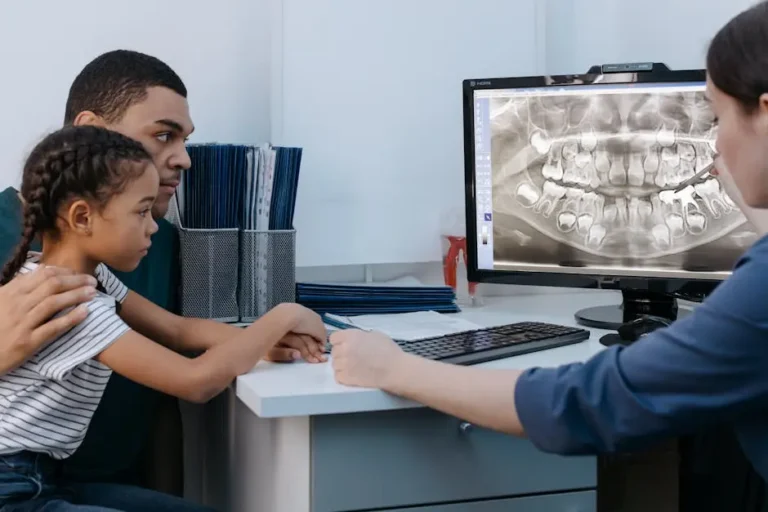
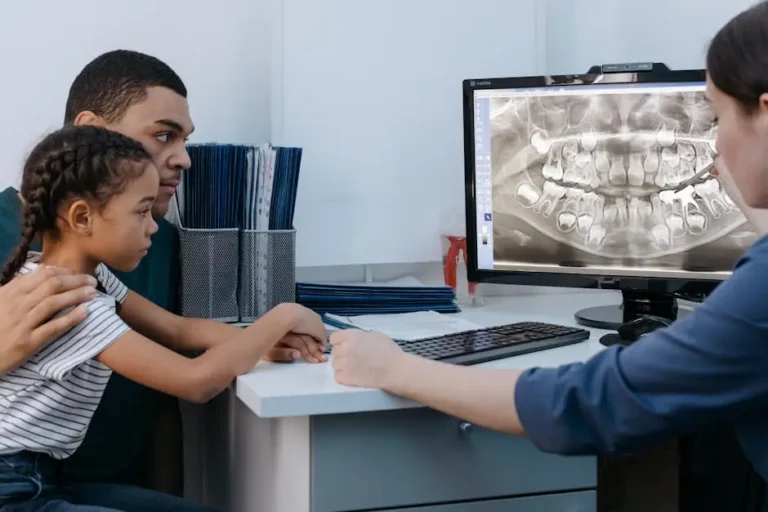
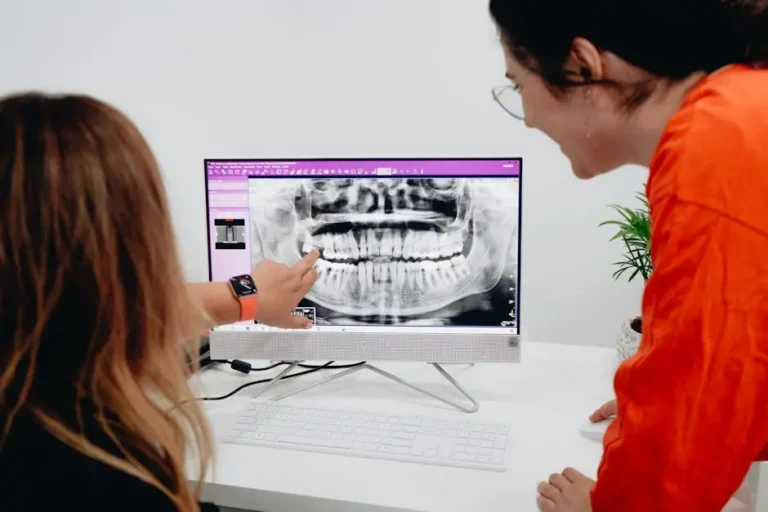
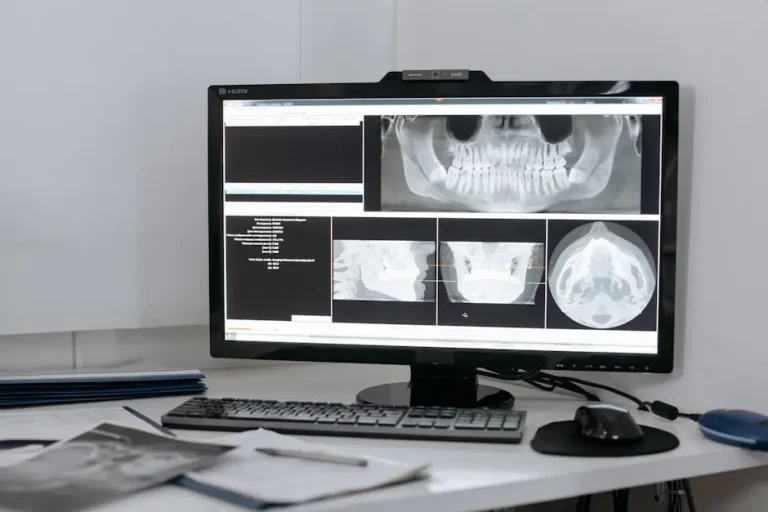
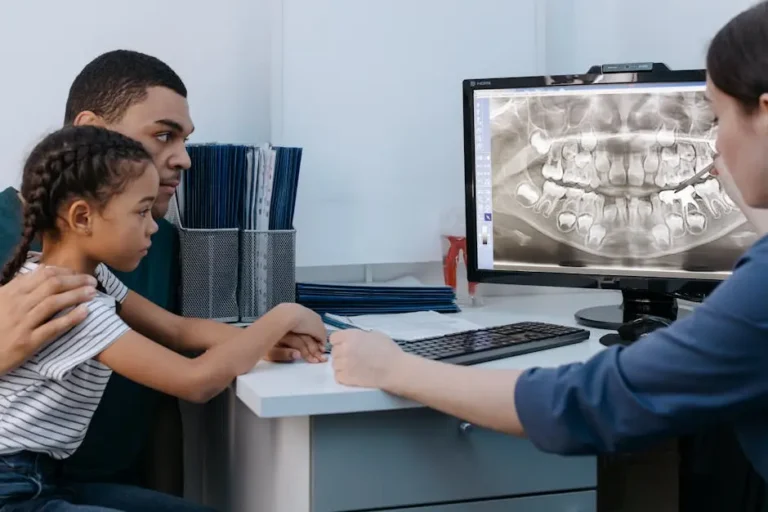
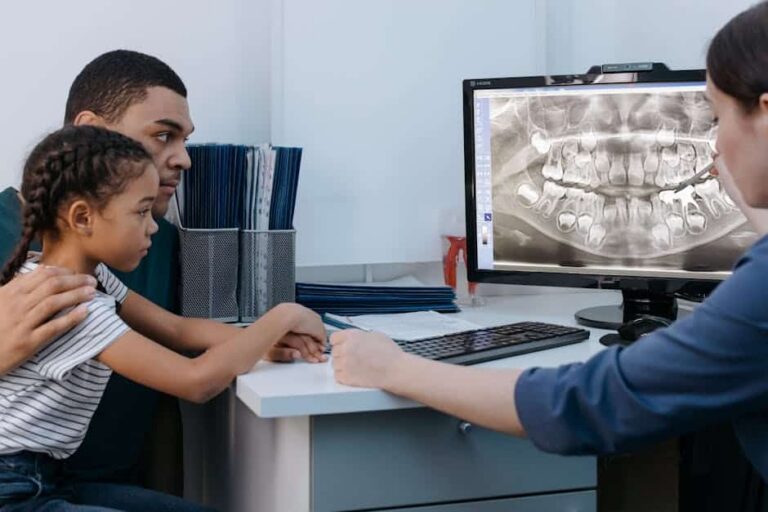
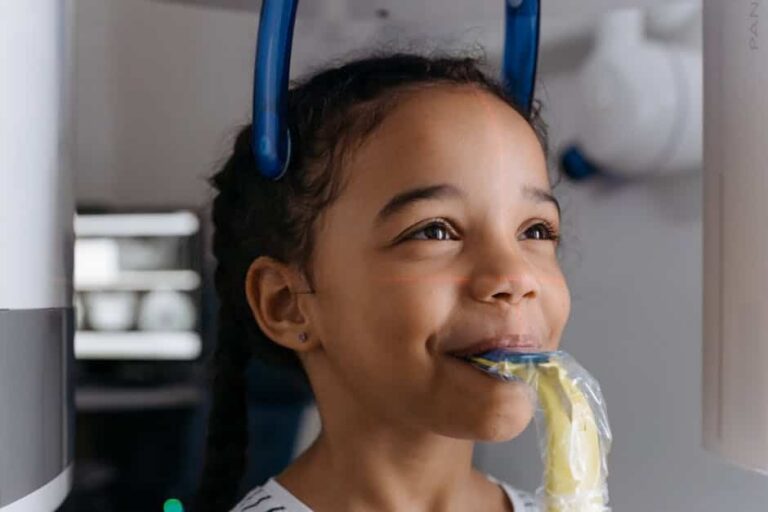
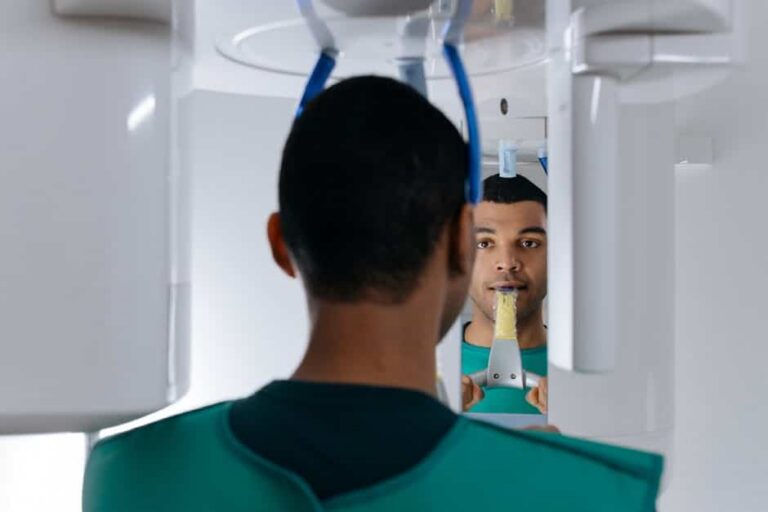
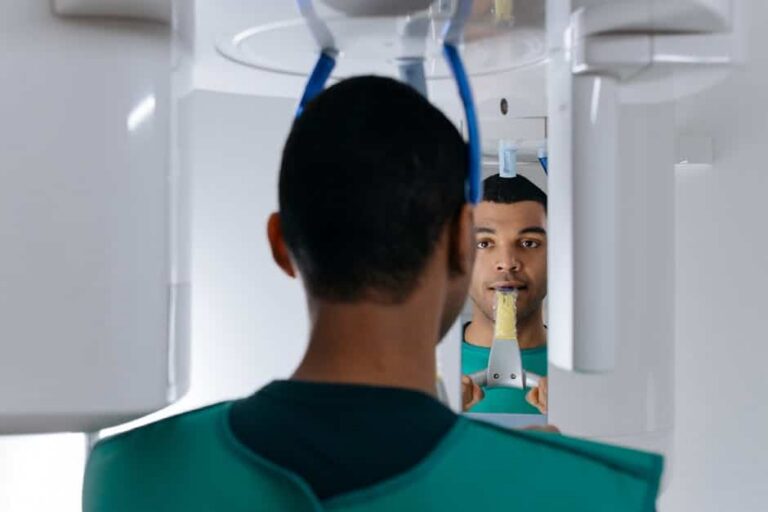
| Panoramic | Full jaw, all teeth, sinuses, and jaw joints in one image | Every 3–5 years |
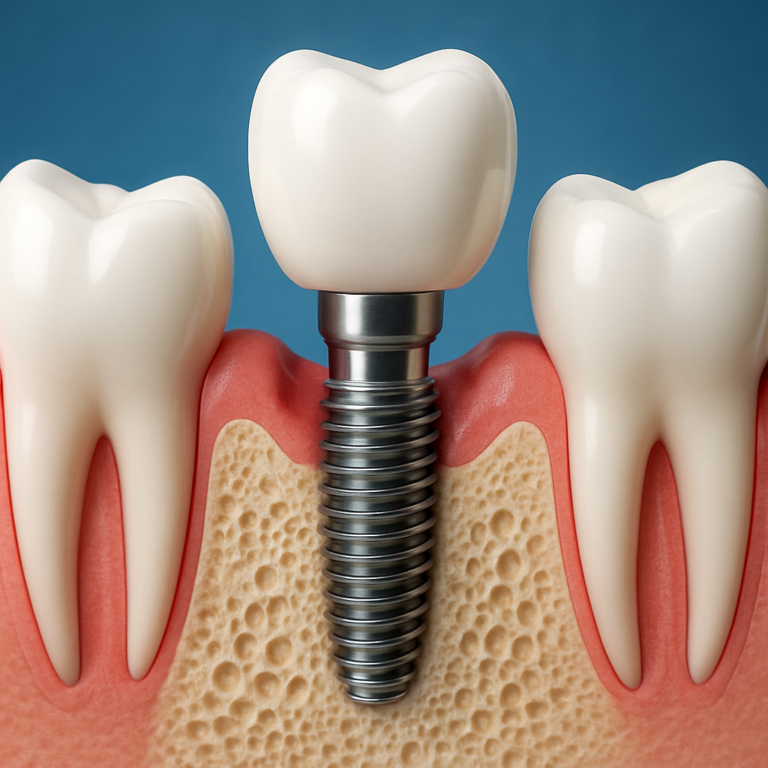
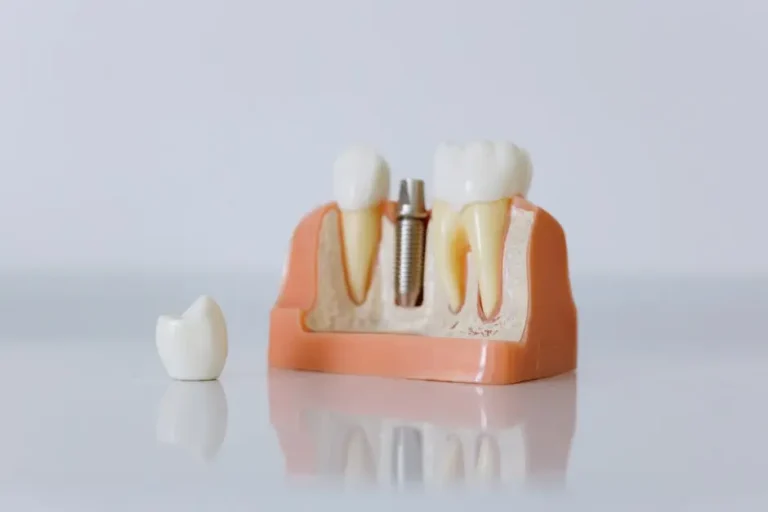
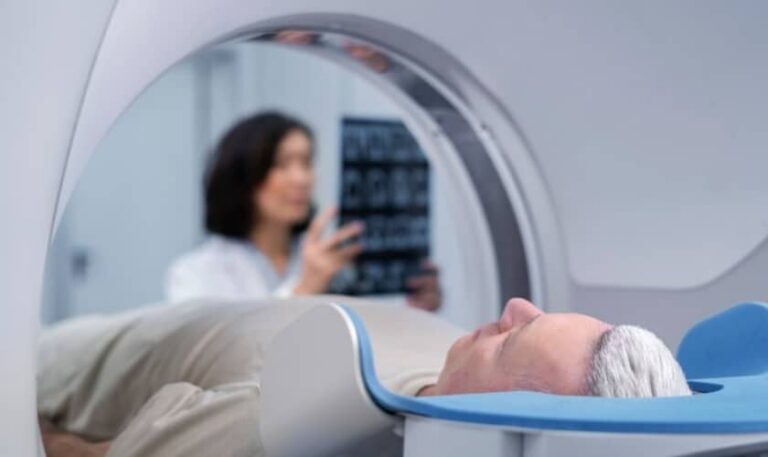
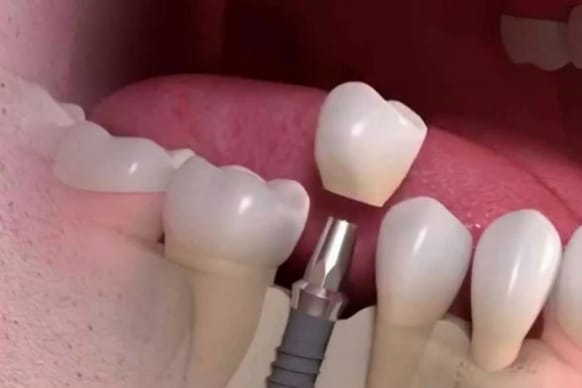
| CBCT (3D) | Three-dimensional view; used for implant planning and complex cases | As needed for specific procedures |
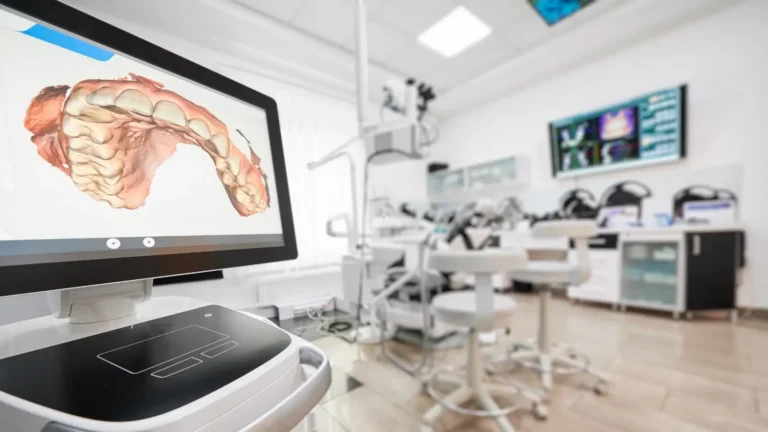
At Smile Avenue, we use digital X-rays exclusively, which offer several advantages over traditional film:
- Up to 80% less radiation than film X-rays
- Instant results — images appear on screen in seconds
- Enhanced detail — digital images can be zoomed, adjusted, and compared side-by-side
- Environmentally friendly — no chemical processing required
Radiation: Putting It in Perspective
Many patients worry about X-ray radiation. Here’s how dental X-rays compare to everyday radiation exposure:
- 4 bitewing X-rays: 0.005 mSv (about the same as 1 hour of airplane flight)
- Panoramic X-ray: 0.01 mSv (about the same as a day of natural background radiation)
- Chest X-ray: 0.1 mSv (10x more than a panoramic dental X-ray)
- CT scan of the head: 2.0 mSv (200x more than a panoramic dental X-ray)
The diagnostic benefit of dental X-rays far outweighs the minimal radiation exposure.
When to Ask About X-Rays
At your next preventive dental visit, ask your dentist:
- When were my last X-rays taken?
- Is it time for new ones?
- What are my current X-rays showing?
Your dentist will recommend X-rays based on your individual risk factors, dental history, and clinical findings — never more than necessary.