Invisalign vs. Braces: Which Is Right for You? (Complete Comparison)
TL;DR — Quick Summary
Invisalign is best for mild-to-moderate alignment issues in patients who want a discreet, removable option. Traditional braces handle complex cases better, including severe overcrowding and significant bite issues. Invisalign averages $3,500–$6,000 vs. $3,000–$7,000 for braces. Treatment time is similar (12–18 months). Choose based on your specific case, lifestyle, and budget.
The Complete Invisalign vs. Braces Comparison
Choosing between Invisalign and traditional braces is one of the biggest decisions patients face when considering orthodontic treatment. Both options can give you a straighter, healthier smile — but they work differently and each has distinct advantages.
How Each Treatment Works
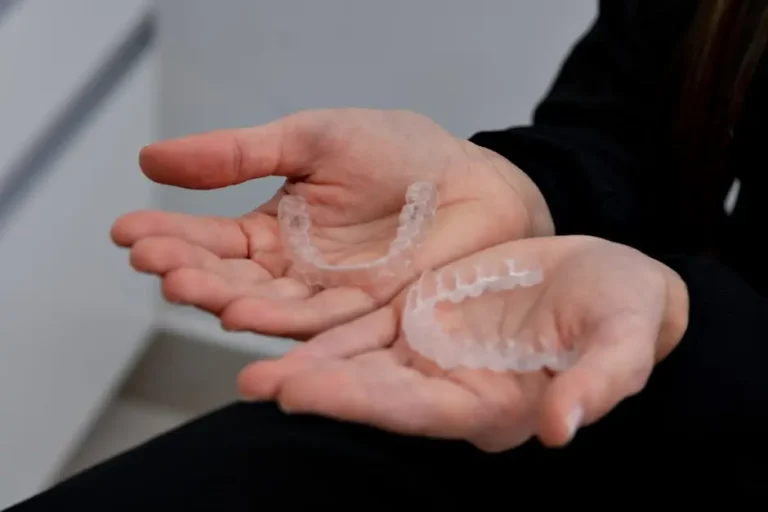
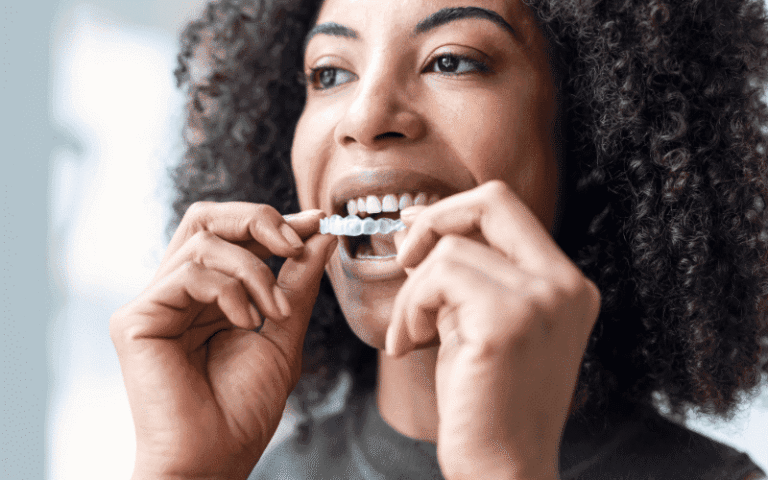
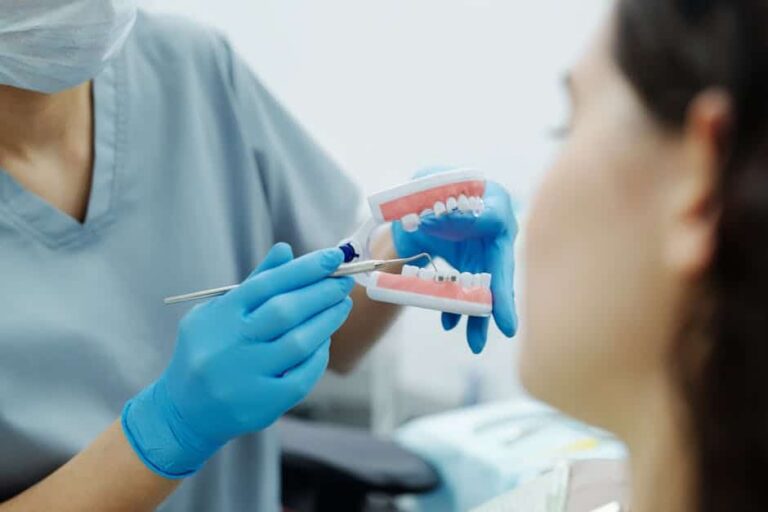
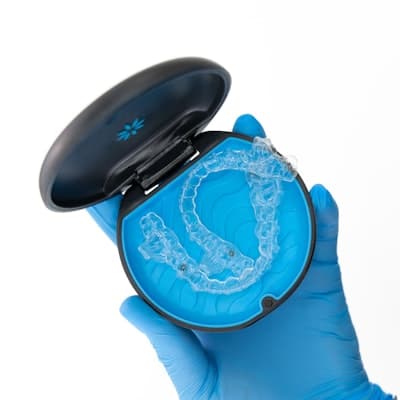
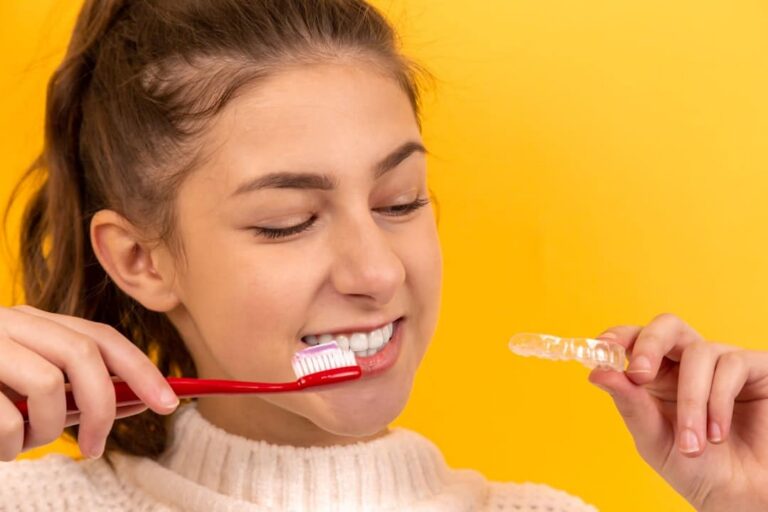
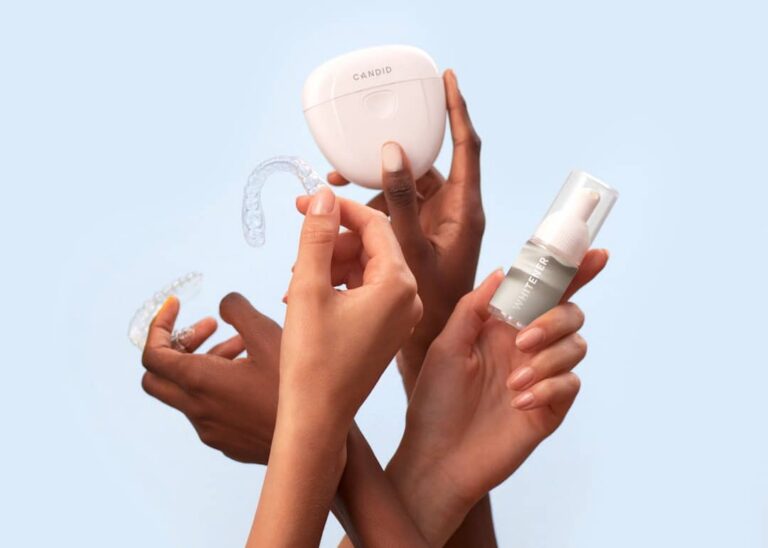
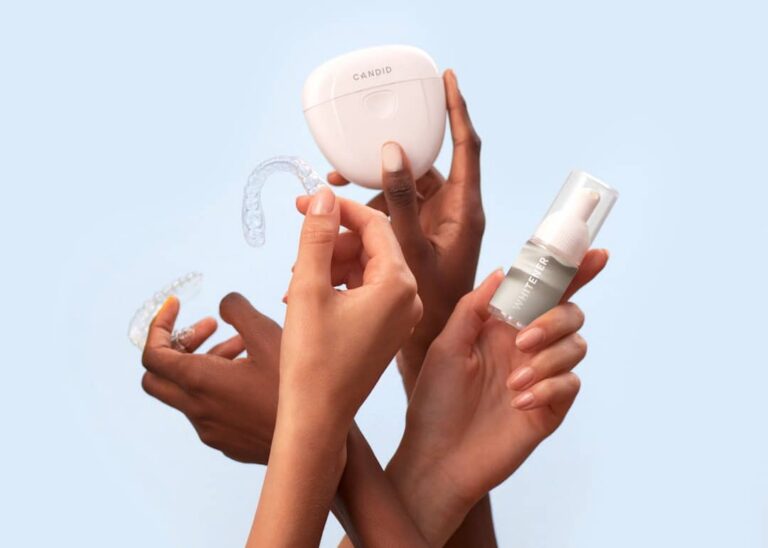
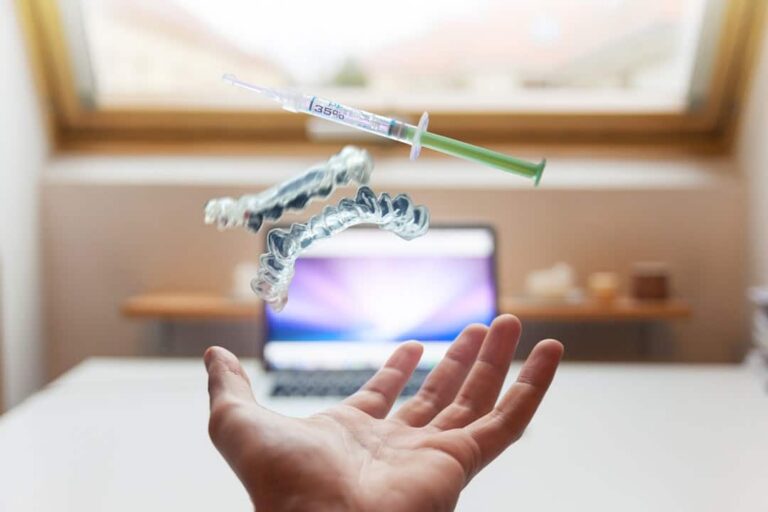
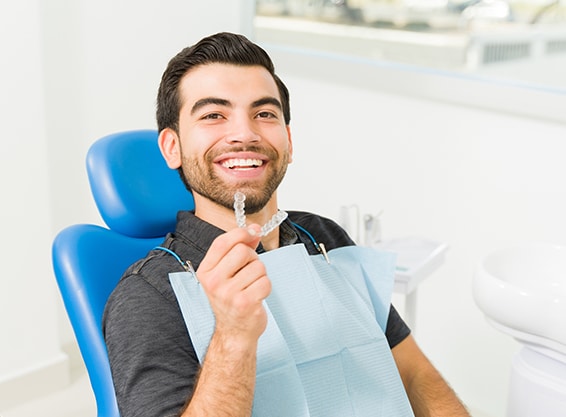
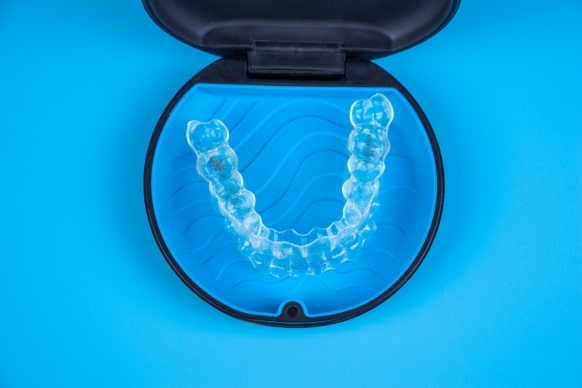
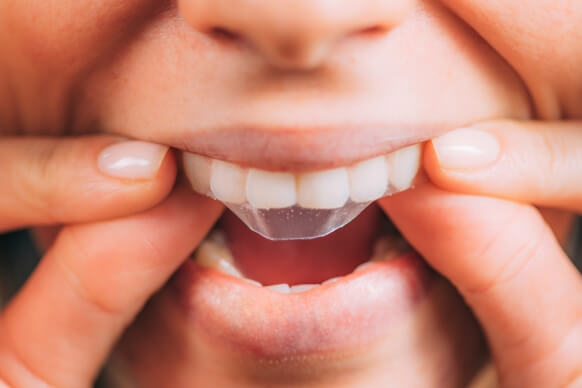
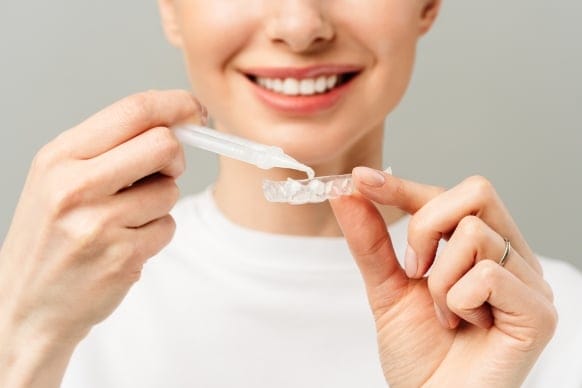
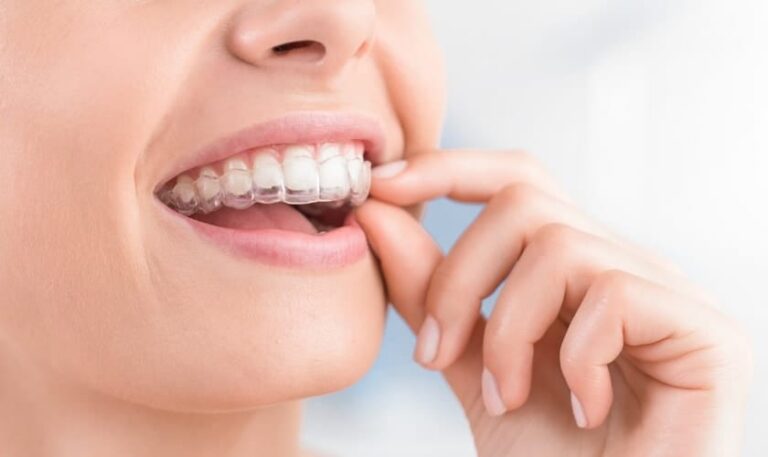
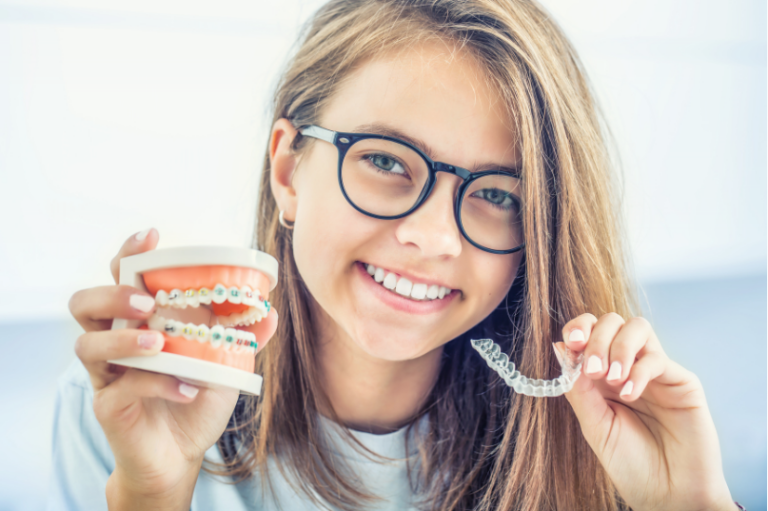
Invisalign uses a series of custom-made clear plastic aligners that gradually shift your teeth into position. You wear each set of aligners for 1–2 weeks, then switch to the next set. The aligners are removable for eating and brushing.
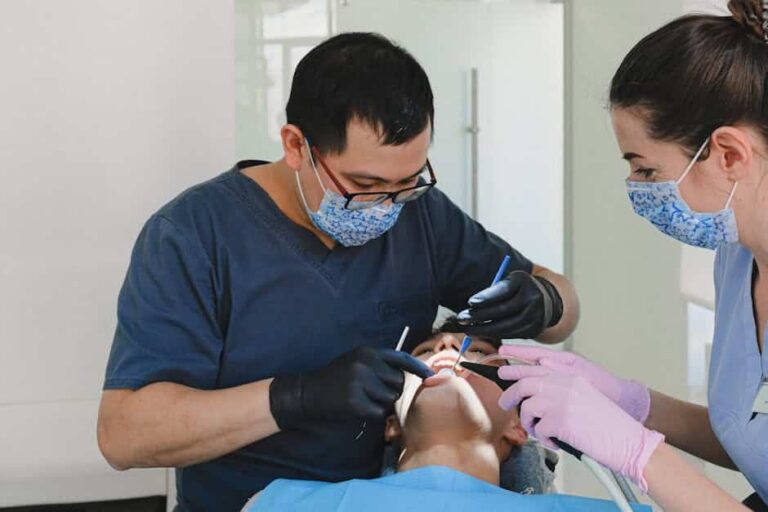
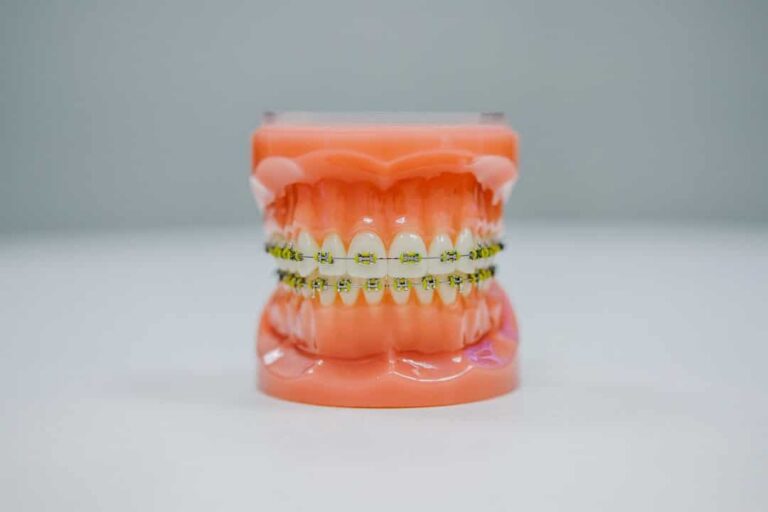
Traditional braces use metal or ceramic brackets bonded to your teeth, connected by archwires that apply continuous pressure to move teeth. Your orthodontist adjusts the wires every 4–8 weeks to progress the treatment.
Aesthetics: The Visibility Factor
This is where Invisalign has a clear advantage. The aligners are nearly invisible — most people won’t notice you’re wearing them. This makes Invisalign the preferred choice for adults and professionals who don’t want visible orthodontic hardware.
Traditional braces are more noticeable, though ceramic (clear) brackets are less visible than metal. Lingual braces (placed behind the teeth) offer near-invisibility but are more expensive and can affect speech.
Comfort Comparison
Invisalign is generally more comfortable. The smooth plastic aligners don’t irritate your cheeks and lips the way bracket edges and wires can. You’ll feel pressure when switching to new aligners, but it typically subsides within a day or two.
Braces can cause soreness after adjustments and may irritate soft tissues. Orthodontic wax helps, but broken wires and poking brackets are common complaints, especially in the first few months.
What Each Treats Best
Invisalign excels at:
- Mild to moderate crowding
- Spacing and gaps
- Minor overbite or underbite
- Cosmetic alignment refinements
- Relapse correction (if you had braces as a teen)
Braces are better for:
- Severe crowding or rotation
- Complex bite issues (deep overbite, crossbite, open bite)
- Significant jaw alignment problems
- Cases requiring tooth extraction and space closure
- Young teens who may not be compliant with removable aligners
Treatment Time
Both options take approximately 12–18 months for average cases. However:
- Simple Invisalign cases (minor spacing or crowding) can finish in 6–10 months
- Complex braces cases may take 24–36 months
- Invisalign requires 20–22 hours of daily wear to stay on schedule — poor compliance extends treatment time
Cost Comparison
In the Cypress and Katy area, typical costs are:
- Invisalign: $3,500–$6,000
- Metal braces: $3,000–$6,000
- Ceramic braces: $4,000–$7,000
Most dental insurance plans cover orthodontic treatment equally regardless of the method. At Smile Avenue, we offer flexible financing to make either option affordable.
Lifestyle Considerations
Eating: Invisalign wins — remove your aligners and eat whatever you want. Braces require avoiding hard, sticky, and crunchy foods that can break brackets.
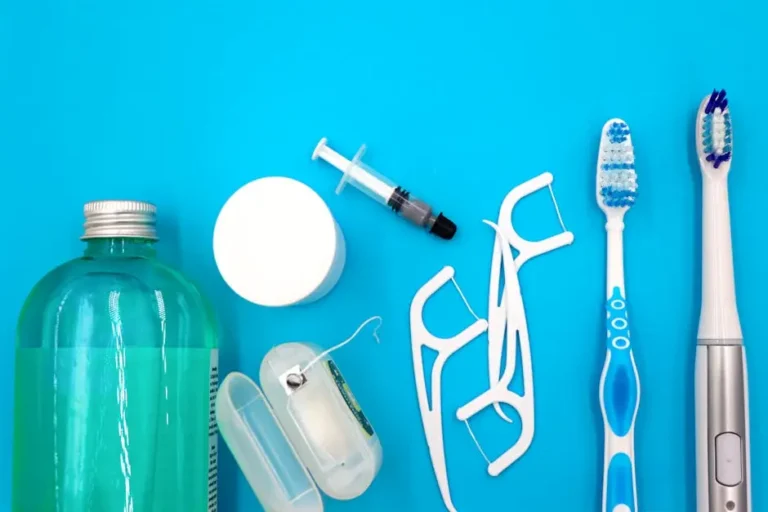
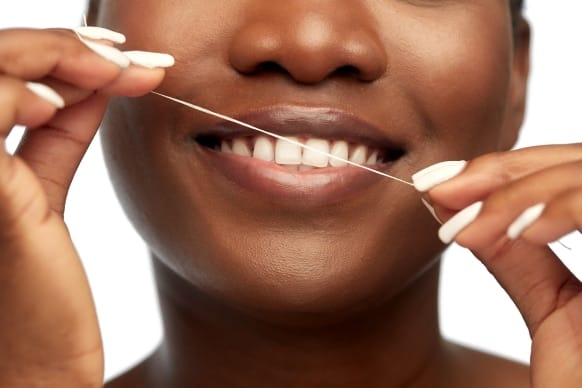
Oral hygiene: Invisalign makes brushing and flossing easier since you remove the aligners. Braces require special floss threaders and interdental brushes to clean around brackets.
Compliance: Braces work 24/7 whether you think about them or not. Invisalign requires discipline — you must wear aligners at least 20 hours daily for the treatment to work.
Sports and activities: Invisalign aligners provide some protection and can be removed for contact sports (with a mouthguard). Braces require a special orthodontic mouthguard.
Making Your Decision
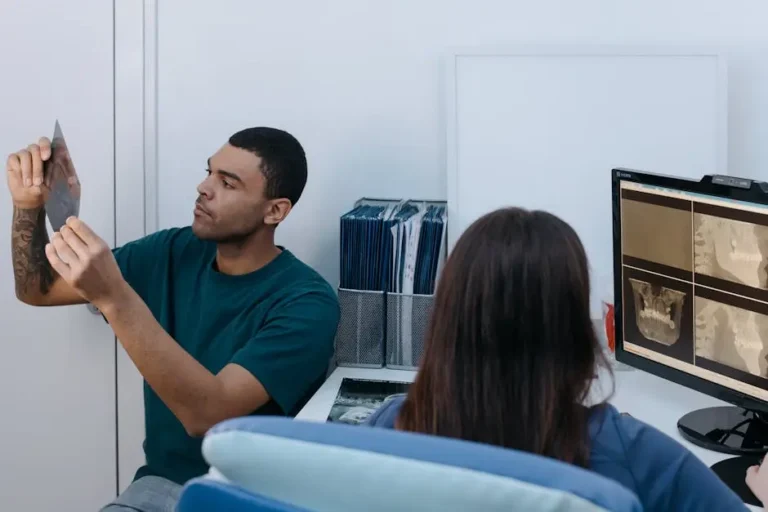
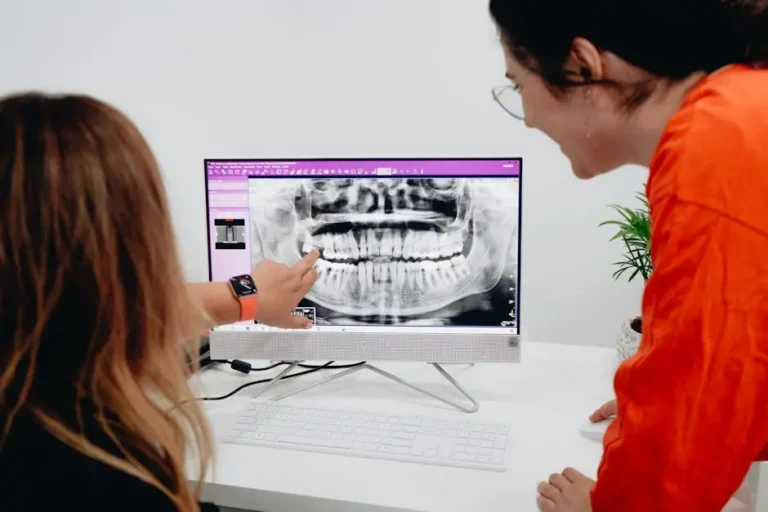
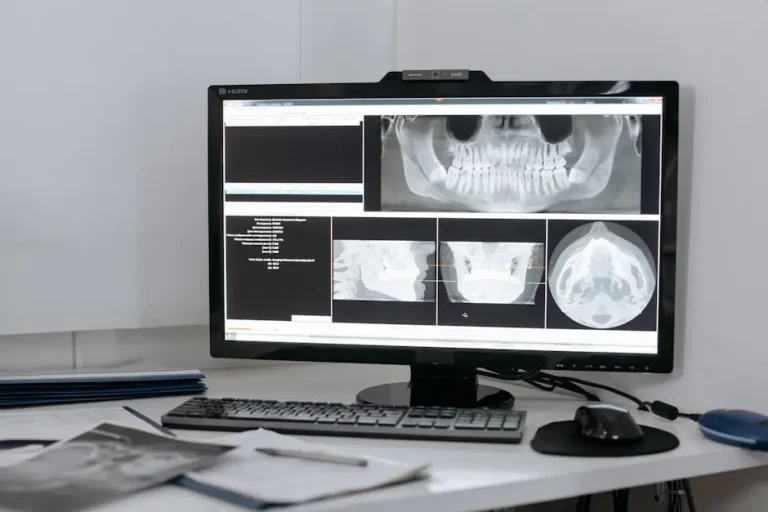
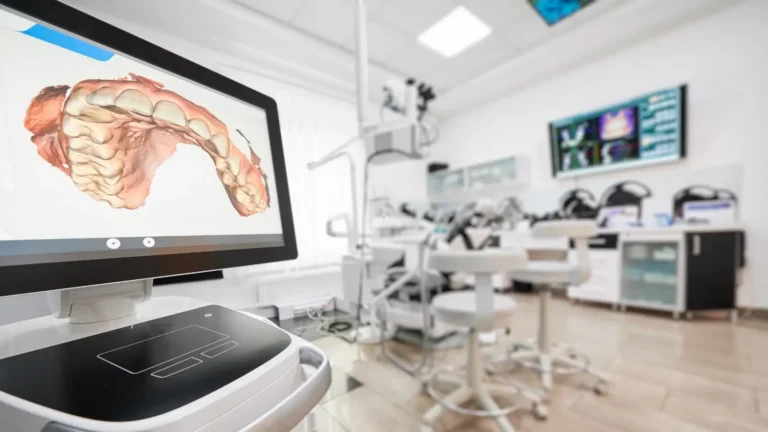
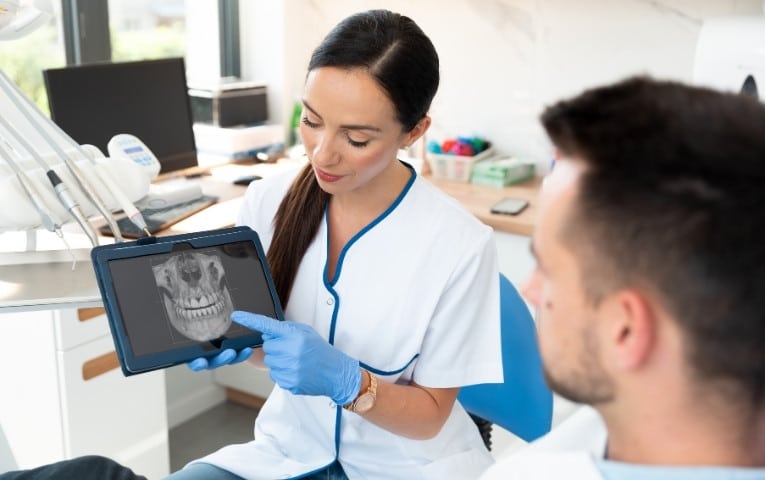
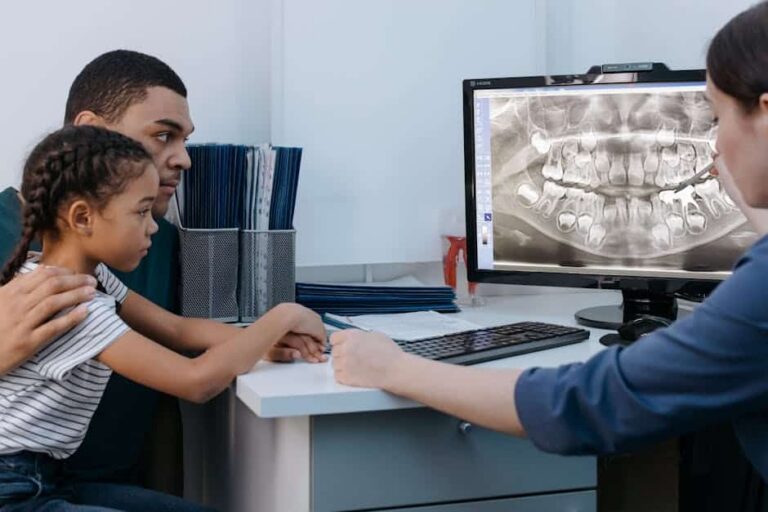
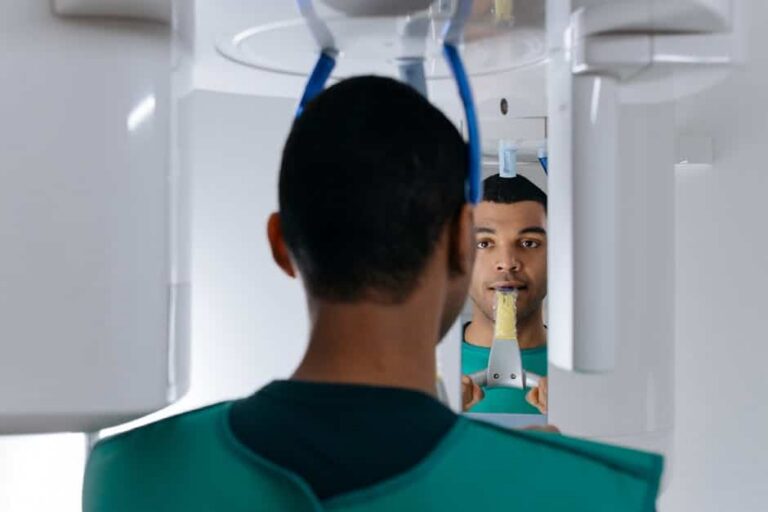
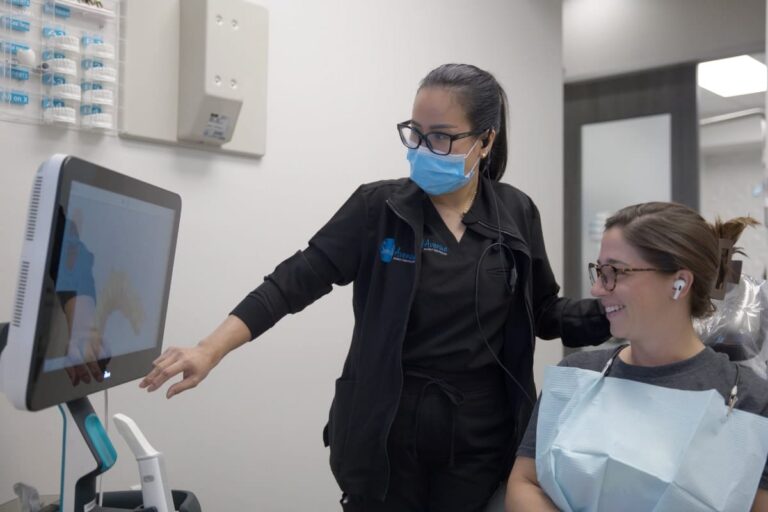
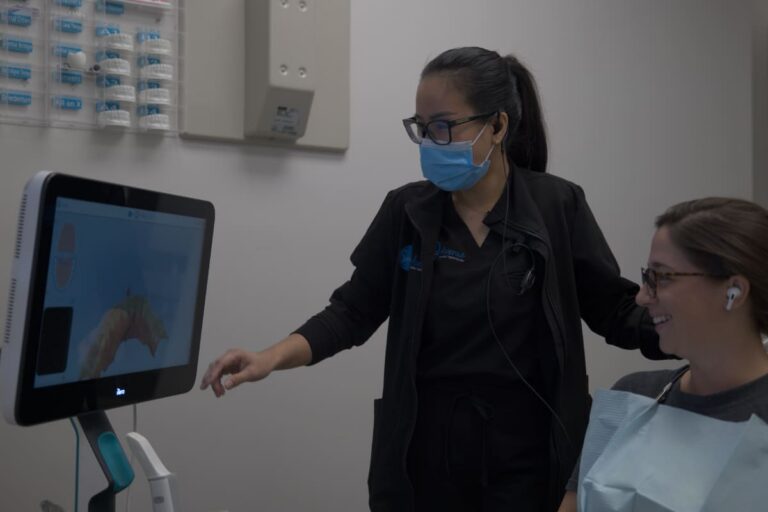
The best choice depends on your specific orthodontic needs, lifestyle, and preferences. During your free consultation at Smile Avenue, we’ll take digital scans of your teeth, show you a 3D simulation of your Invisalign results, and discuss whether clear aligners or braces will give you the best outcome for your case.