
Hospitality-driven care·Zero judgment, all heart·Your comfort comes first·Genuine, not just gentle·5-star experience, every visit·Modern tools, proven results·Family dentistry reimagined·Houston's trusted team·Hospitality-driven care·Zero judgment, all heart·Your comfort comes first·Genuine, not just gentle·5-star experience, every visit·Modern tools, proven results·Family dentistry reimagined·Houston's trusted team·

7 Signs You Need a Root Canal (Don’t Ignore #3)

Emergency February 1, 2026 by UserName LastName 7 min read

TL;DR — Quick Summary

The 7 signs you may need a root canal: persistent toothache, prolonged sensitivity to hot/cold, darkened tooth, swollen gums near the tooth, a pimple on the gums (abscess), pain when chewing, and a cracked or deeply decayed tooth. Modern root canals use local anesthesia and are no more painful than getting a filling. Delaying treatment risks abscess, bone loss, and tooth loss.

7 Warning Signs You May Need a Root Canal

A root canal is one of the most misunderstood procedures in dentistry. Many patients delay treatment because they fear the procedure — but the reality is that a root canal relieves pain rather than causing it. Here are seven signs that the nerve inside your tooth may be infected or dying.

1. Persistent Toothache

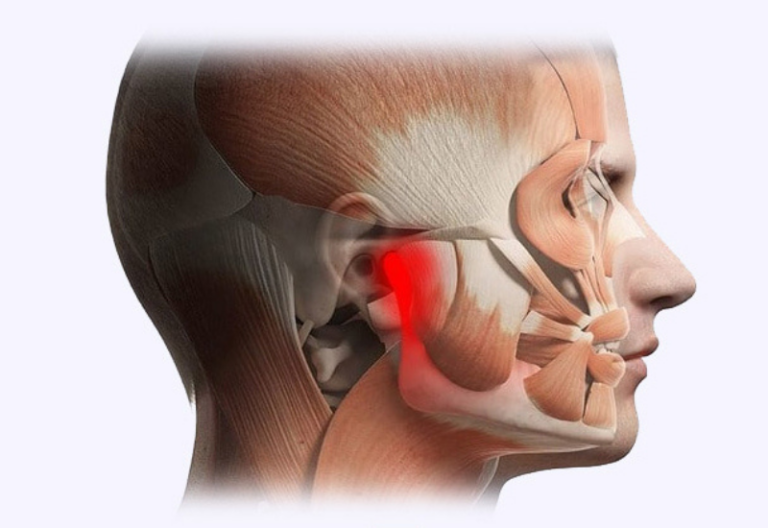
The most common sign is a toothache that won’t go away. The pain may be constant or come and go, but it keeps returning. It may radiate to your jaw, face, or other teeth. If you’ve had a toothache for more than a day or two, it’s time to see a dentist.

Root canal pain is different from cavity pain. Cavity pain is usually sharp and triggered by specific stimuli. Root canal pain tends to be a deeper, throbbing ache that may pulse with your heartbeat.

2. Prolonged Sensitivity to Hot and Cold

It’s normal for teeth to be briefly sensitive to temperature changes. But if drinking hot coffee or eating ice cream causes lingering pain that lasts 30 seconds or more after the stimulus is removed, the nerve inside your tooth may be damaged.

This lingering sensitivity — especially to heat — is one of the most reliable indicators of irreversible nerve damage.

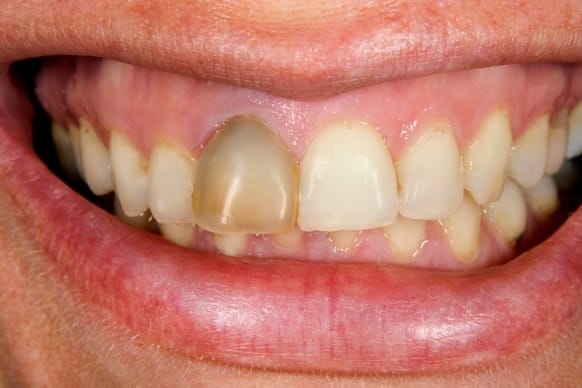
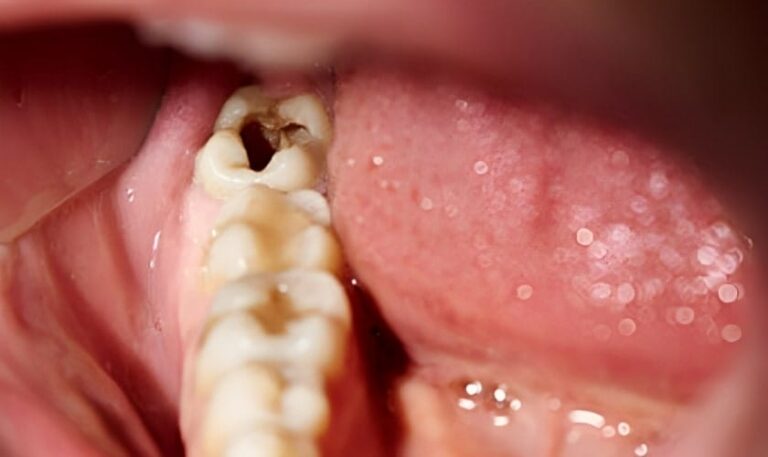
3. Darkened or Discolored Tooth

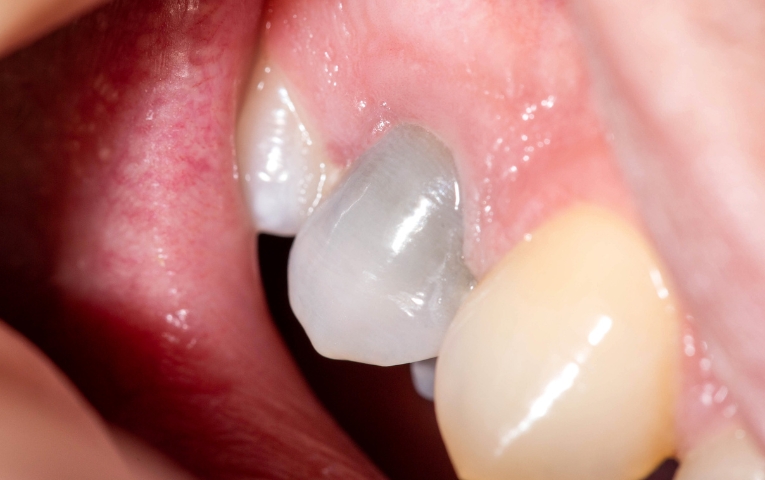
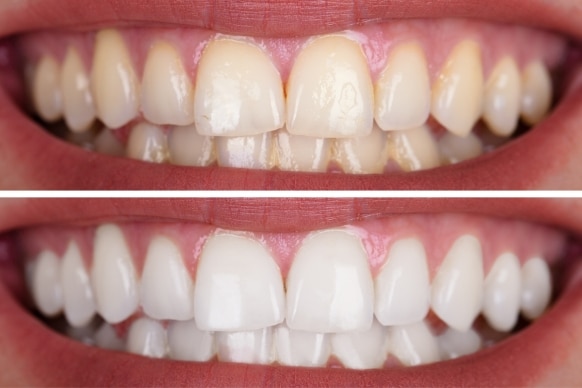
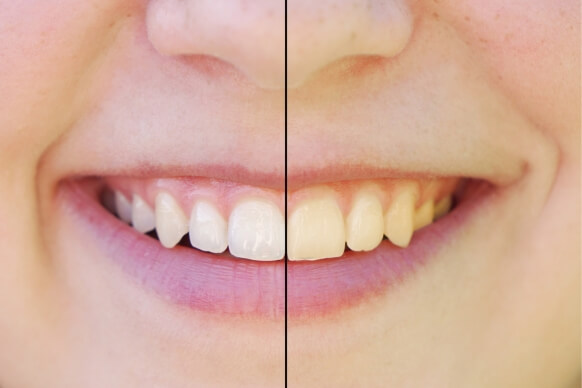
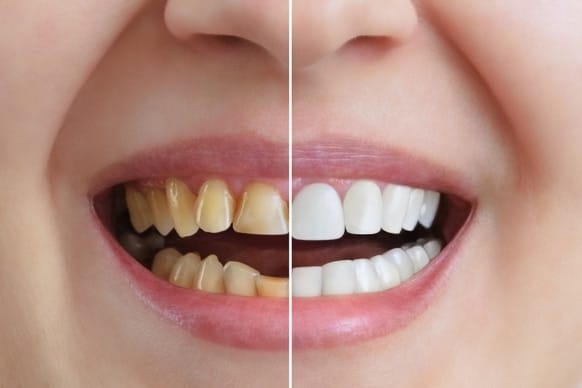
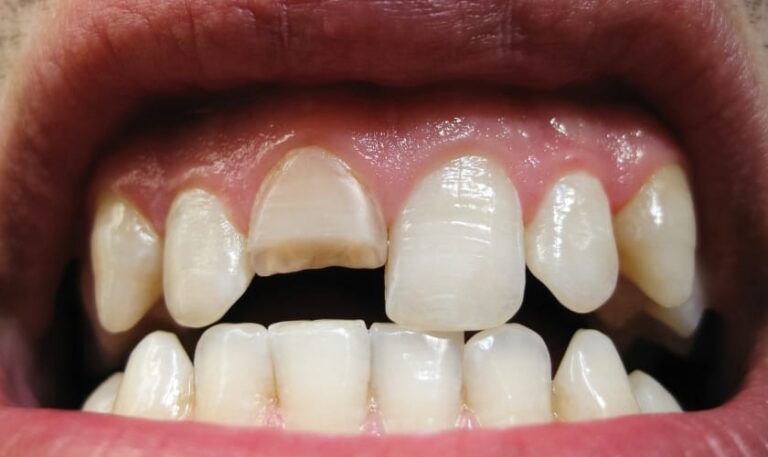
A tooth that has turned gray, dark yellow, or brownish compared to surrounding teeth may have a dying or dead nerve. The discoloration comes from the breakdown of internal tissue and blood supply.

This is the sign patients most often ignore because it doesn’t always involve pain. But a discolored tooth almost always indicates a problem that needs treatment.

4. Swollen Gums Near the Affected Tooth

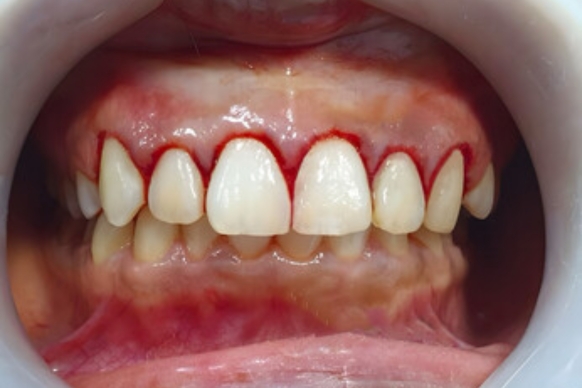
Infection from a diseased tooth nerve often causes localized gum swelling. The gums around the affected tooth may be tender, puffy, or slightly raised. The swelling may come and go as the infection waxes and wanes.

5. A Pimple on Your Gums (Dental Abscess)

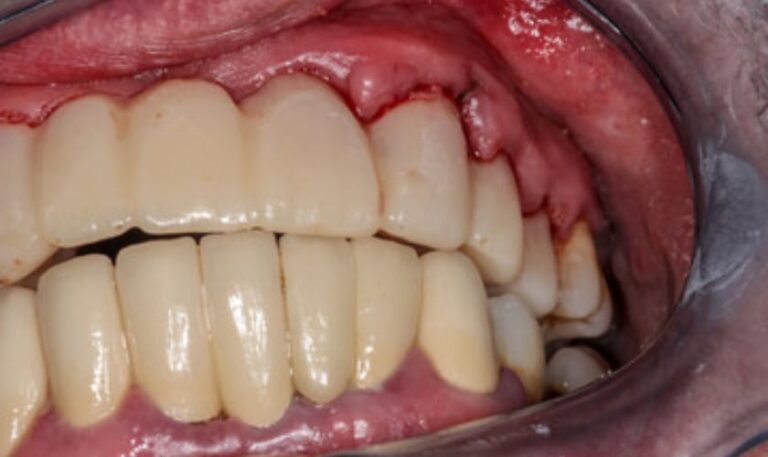
A small bump that looks like a pimple on your gums (called a parulis or fistula) is a clear sign of infection. This “gum boil” is an exit point for pus draining from the infected tooth root. You may notice a bad taste in your mouth from the drainage.

This is a definitive sign of infection. If you see this, schedule an emergency appointment as soon as possible.

6. Pain When Chewing or Touching the Tooth

If biting down or pressing on a specific tooth causes sharp pain, the ligaments around the tooth root may be inflamed from infection. This is called periapical inflammation and is a strong indicator that the nerve is compromised.

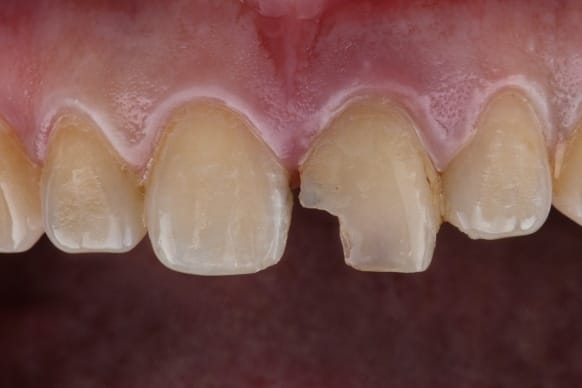
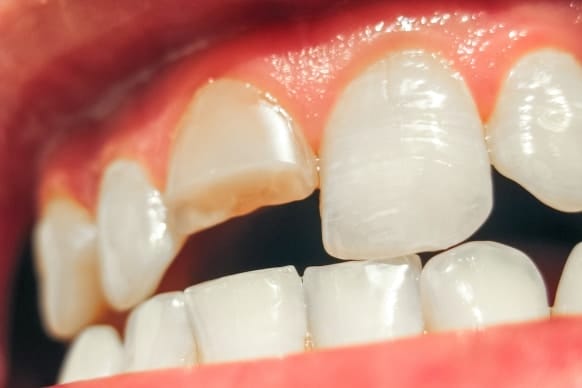
7. Cracked or Deeply Decayed Tooth

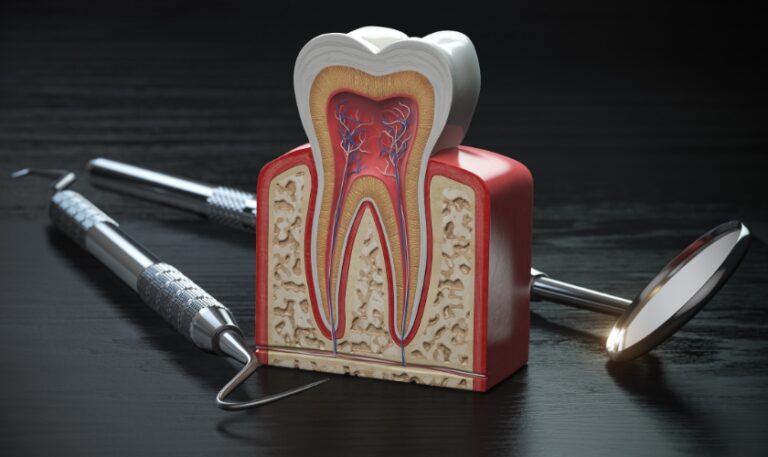
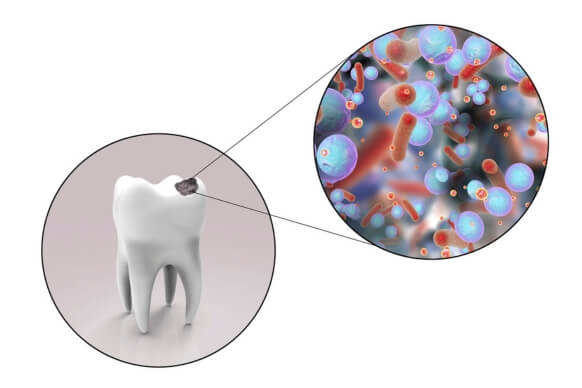
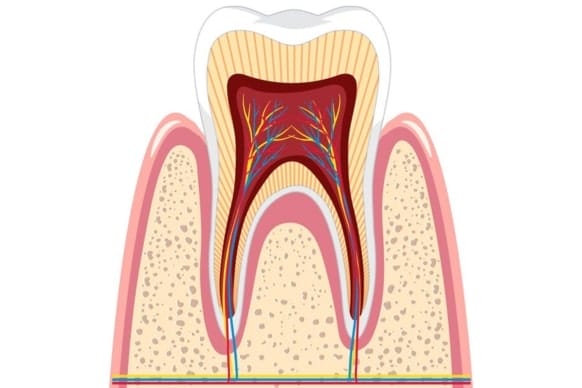
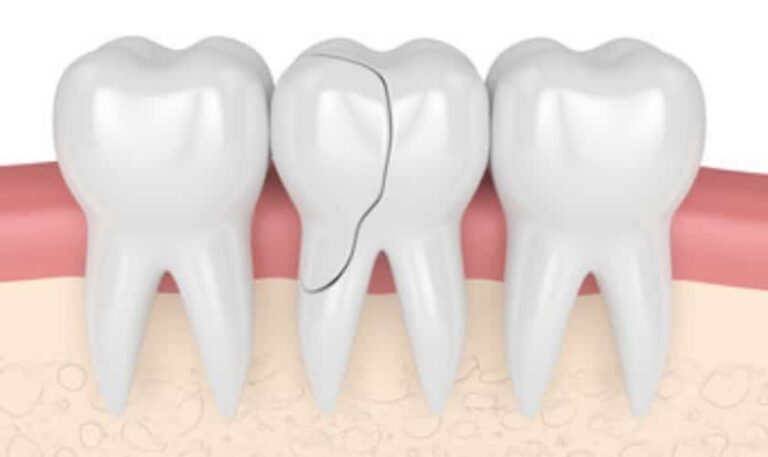
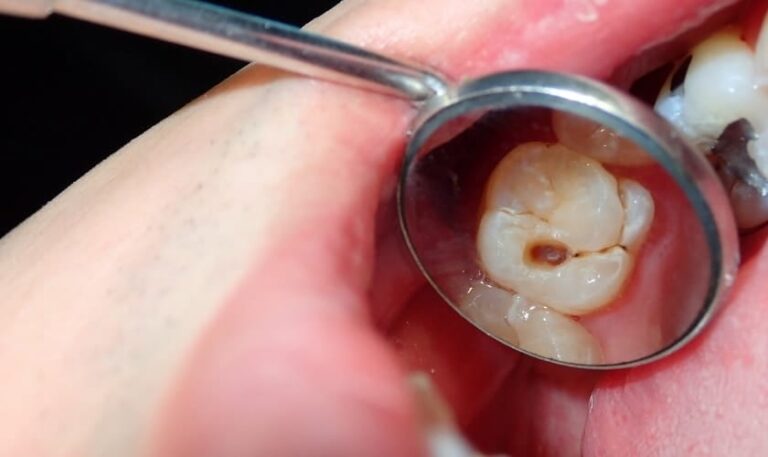
A crack that extends into the inner pulp chamber, or a cavity that has grown deep enough to reach the nerve, will eventually cause infection. Even if you don’t have symptoms yet, your dentist may recommend a root canal to prevent the inevitable infection.

What Happens During a Root Canal

Understanding the procedure reduces anxiety:

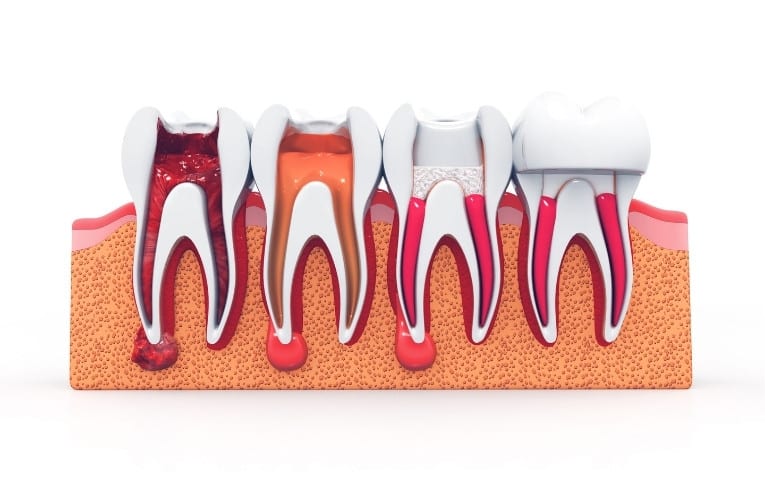
  1. Anesthesia: The tooth is completely numbed. You won’t feel pain during the procedure.
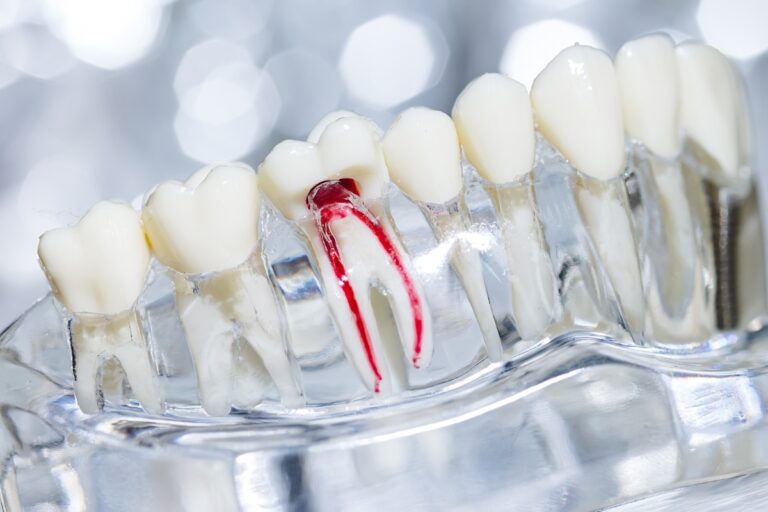
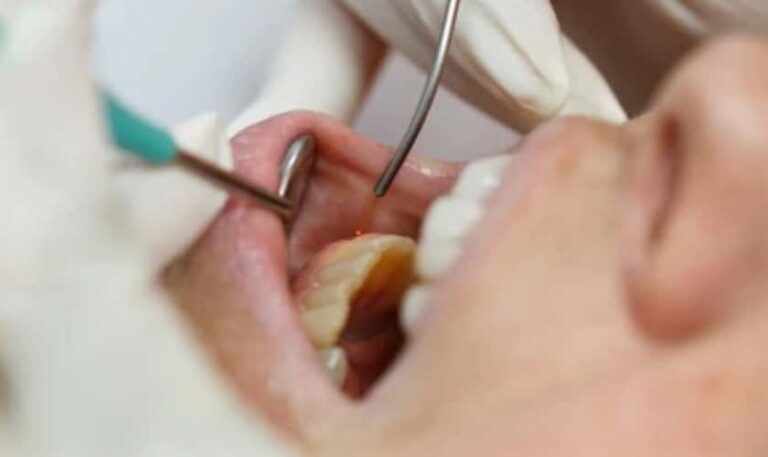
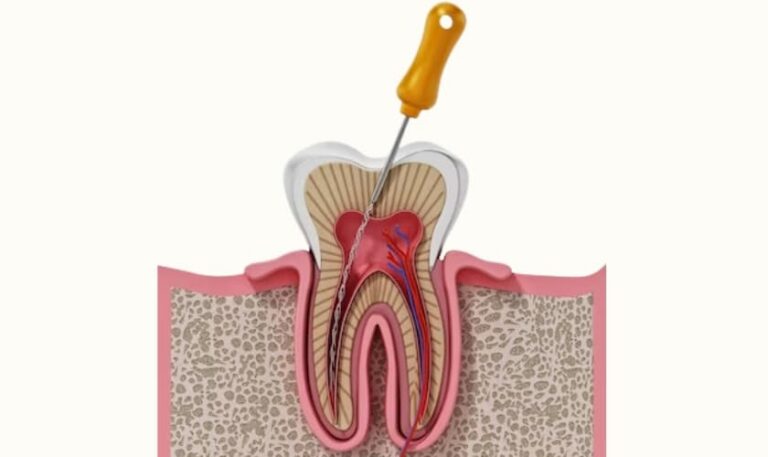
  2. Access: A small opening is made in the top of the tooth to reach the pulp chamber.
  3. Cleaning: The infected nerve tissue is removed, and the canals are cleaned, shaped, and disinfected.
  4. Filling: The empty canals are filled with a biocompatible material called gutta-percha to seal them.
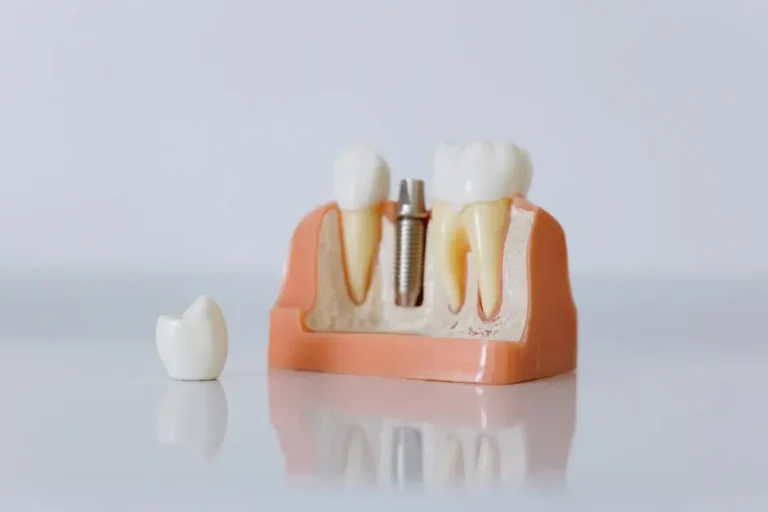
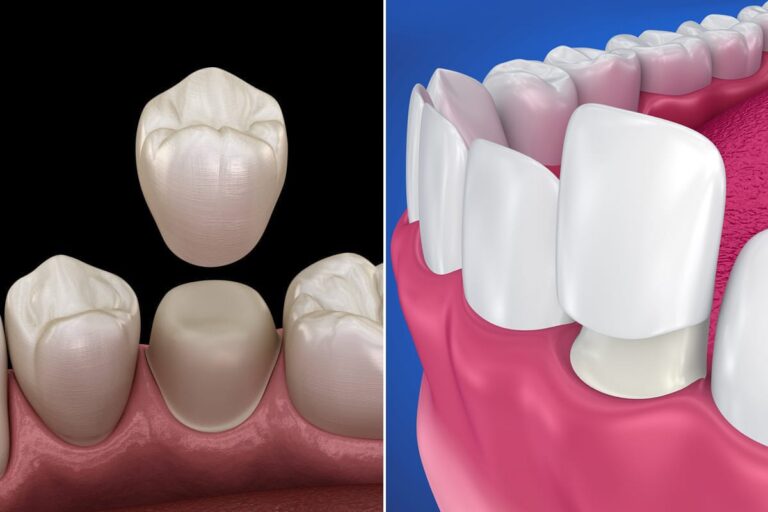
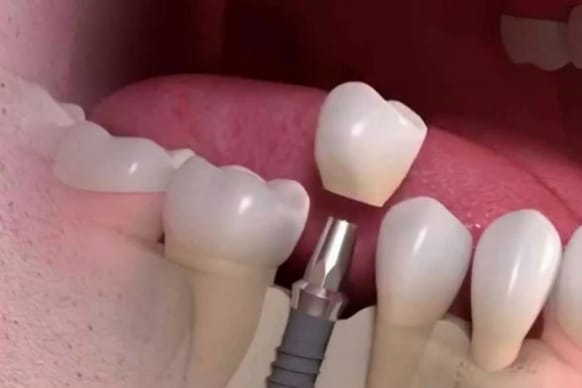
  5. Restoration: A temporary filling is placed, followed by a permanent dental crown at a follow-up visit.

The entire process takes 60–90 minutes, and most patients return to normal activities the same day.

Don’t Wait

Tooth infections don’t heal on their own. Every week you delay treatment, the infection can spread further into the bone, making treatment more complex and expensive. If you’re experiencing any of these signs, contact Smile Avenue for an evaluation — we’ll diagnose the problem and discuss your options.

Related Services at Smile Avenue

Frequently Asked Questions

Share:

Care at Smile Avenue isn't just gentle, it's genuine.