Hospitality-driven care·Zero judgment, all heart·Your comfort comes first·Genuine, not just gentle·5-star experience, every visit·Modern tools, proven results·Family dentistry reimagined·Houston's trusted team·Hospitality-driven care·Zero judgment, all heart·Your comfort comes first·Genuine, not just gentle·5-star experience, every visit·Modern tools, proven results·Family dentistry reimagined·Houston's trusted team·

When Do Kids Lose Baby Teeth? A Timeline for Parents

Pediatric March 1, 2026 by 4 min read

TL;DR — Quick Summary

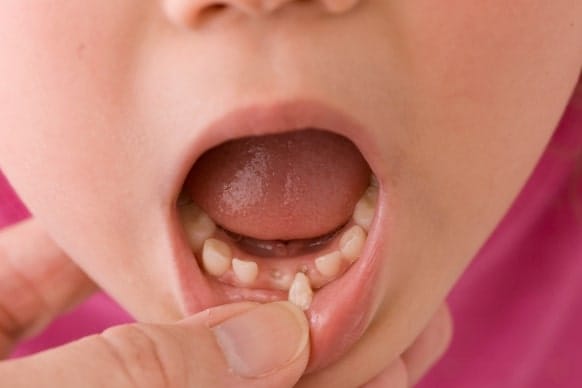
Children typically begin losing baby teeth around age 6, starting with the lower front teeth. The process continues until age 12–13 when all permanent teeth have erupted. Baby teeth usually fall out in the same order they came in. See a dentist if a baby tooth is lost before age 4, if a permanent tooth hasn’t appeared 6 months after the baby tooth fell out, or if there’s pain or infection.

The Baby Tooth Timeline

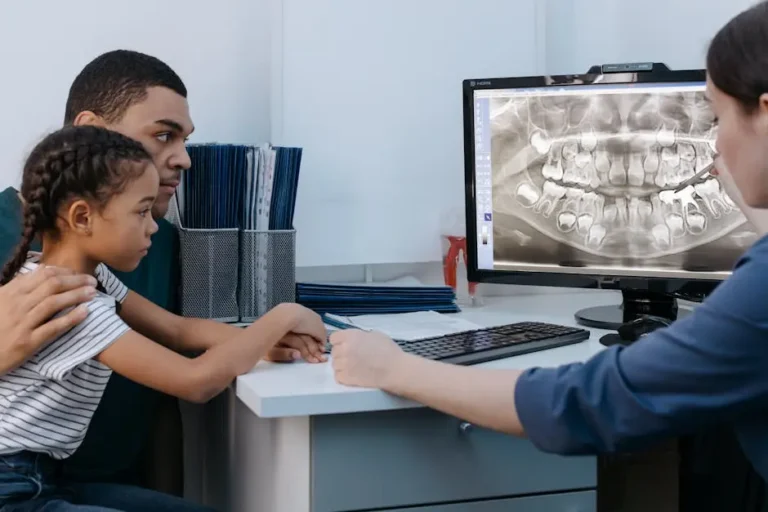
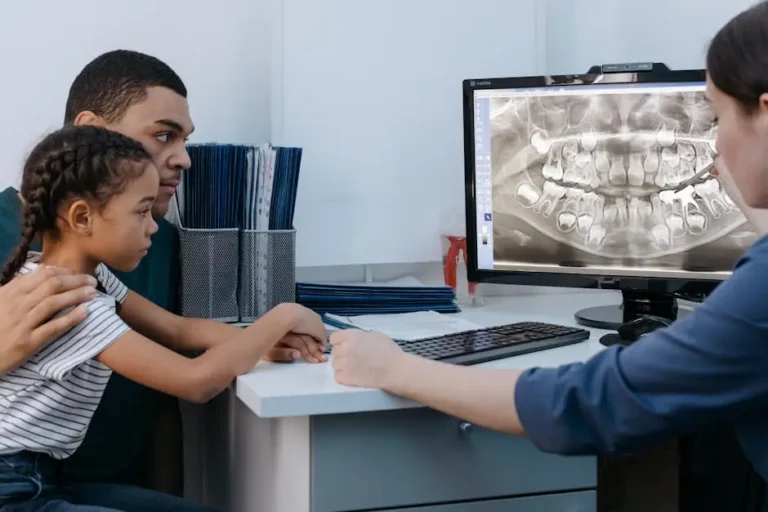
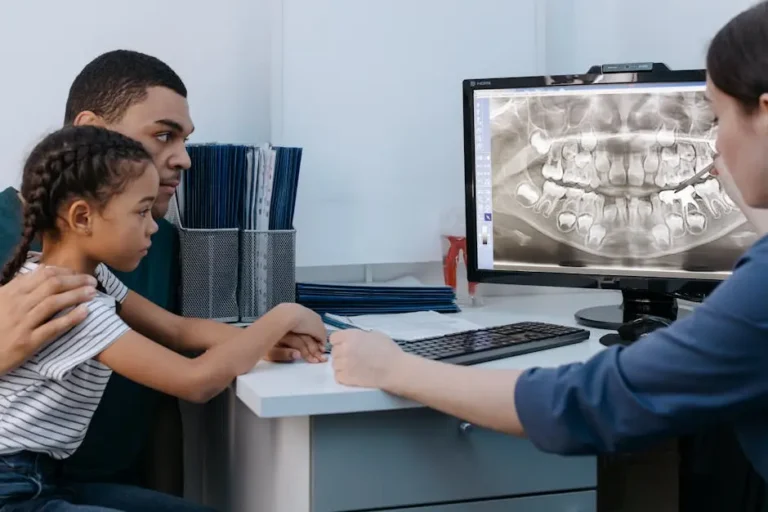
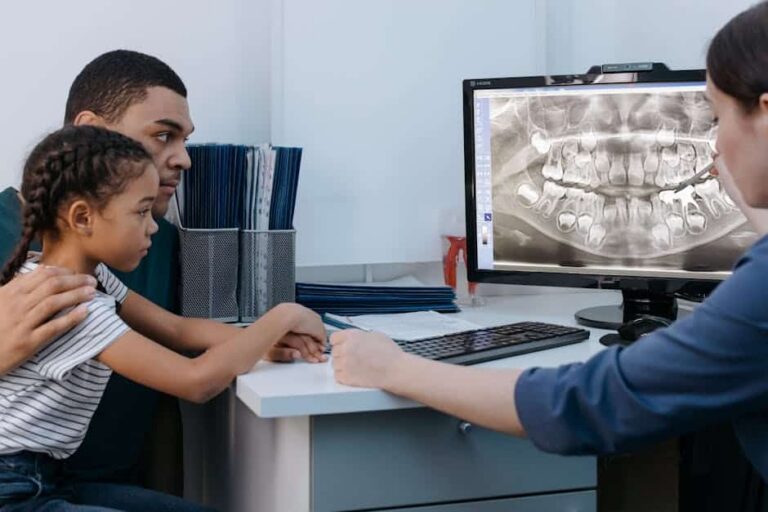
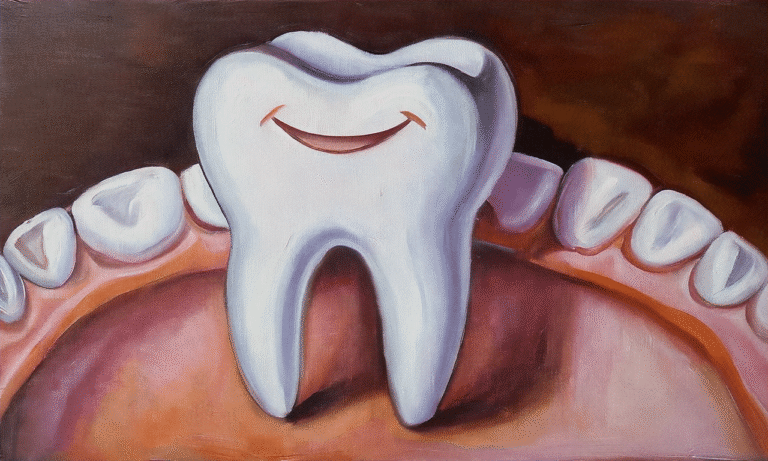
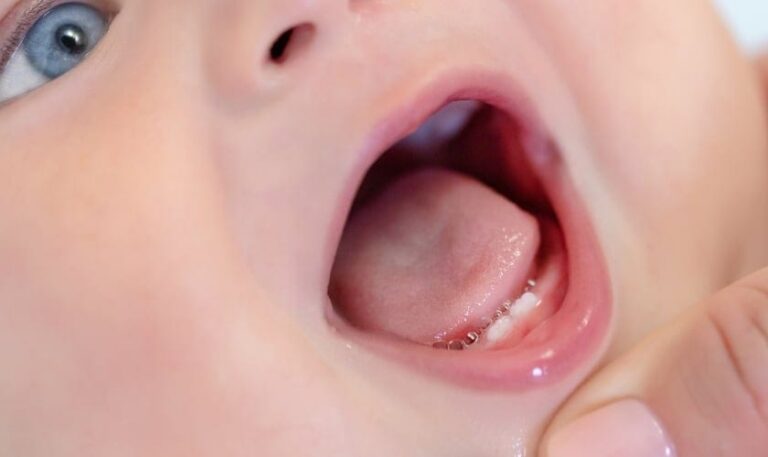
Children have 20 baby teeth (also called primary teeth) that begin erupting around 6 months of age. These teeth serve as placeholders for the 32 permanent teeth that will eventually replace them.

Here’s the typical timeline for losing baby teeth:

Age Teeth Lost
6–7 years Lower central incisors (bottom front)
7–8 years Upper central incisors (top front)
7–8 years Lower lateral incisors
8–9 years Upper lateral incisors
9–11 years Lower canines
9–12 years First molars (top and bottom)
10–12 years Upper canines
10–12 years Second molars (top and bottom)

Key pattern: Baby teeth generally fall out in the same order they came in — front teeth first, back teeth last.

What to Expect

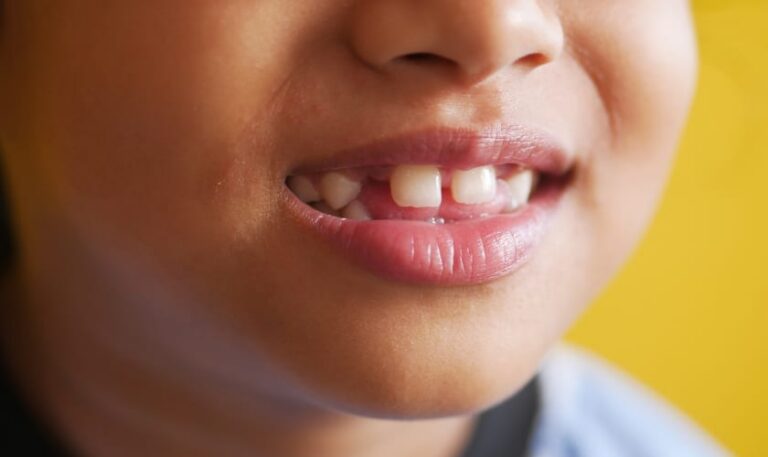
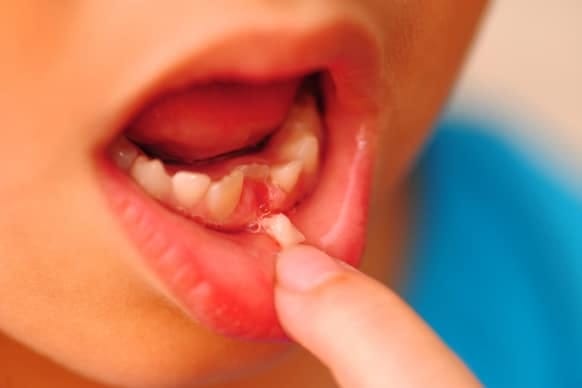
The Loose Tooth Phase

  • A tooth may be loose for several weeks before it falls out
  • Some children feel anxious about loose teeth — reassure them it’s normal
  • Let it fall out naturally when possible
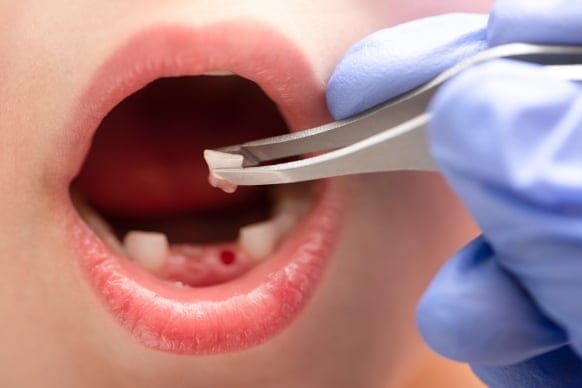
  • Mild bleeding when a tooth falls out is normal — have your child bite on a damp gauze pad

The Gap Phase

  • After a baby tooth falls out, the permanent tooth may take 1–6 months to appear
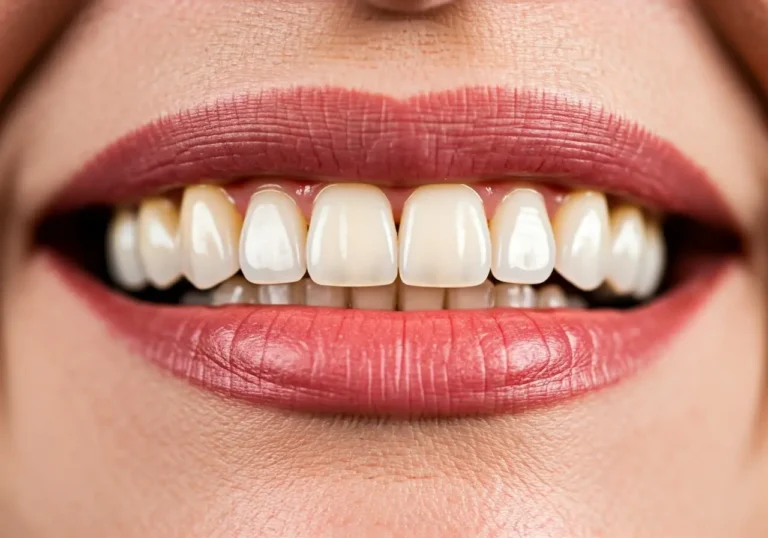
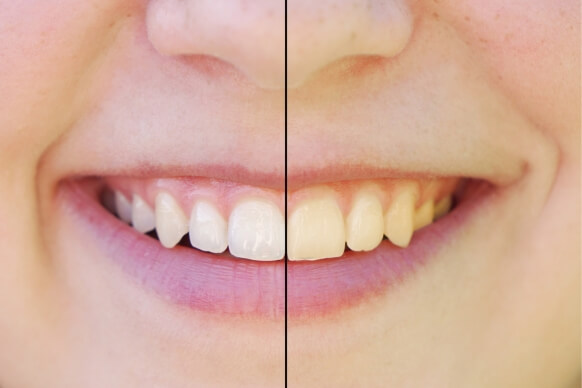
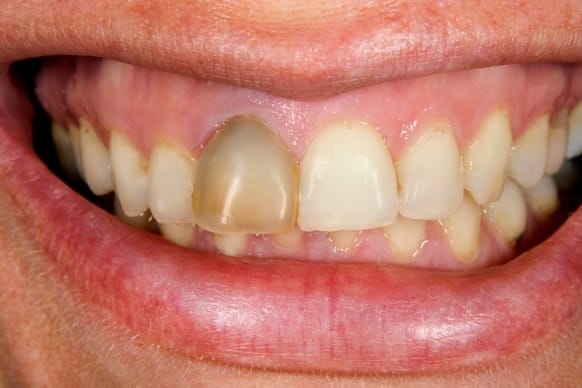
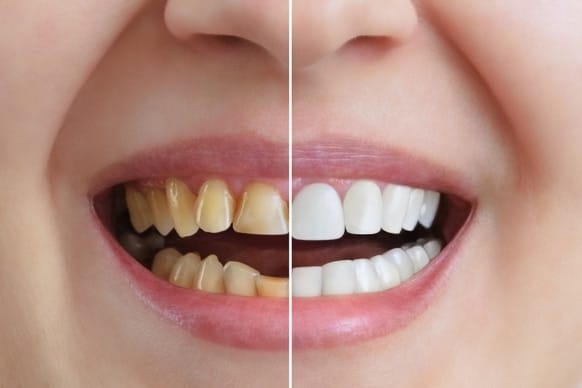
  • The new tooth may look larger and more yellow than baby teeth — this is normal
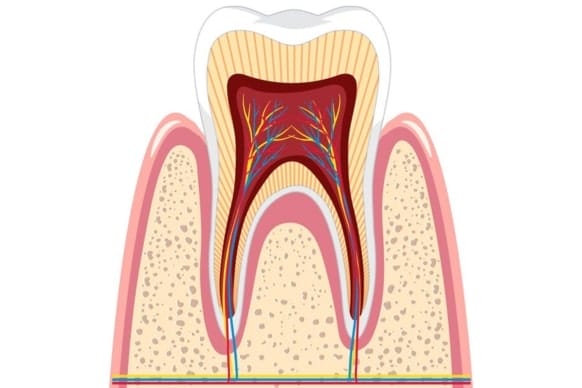
  • Permanent teeth have more dentin (the yellow layer under enamel), making them naturally less white than baby teeth

When to See the Dentist

Contact your pediatric dentist if:

  • A baby tooth falls out before age 4 — this could indicate decay or injury
  • A permanent tooth hasn’t appeared 6 months after the baby tooth was lost
  • A permanent tooth is coming in behind the baby tooth (creating a “shark tooth” — this is common and usually resolves on its own)
  • There’s pain, swelling, or signs of infection around a loose tooth
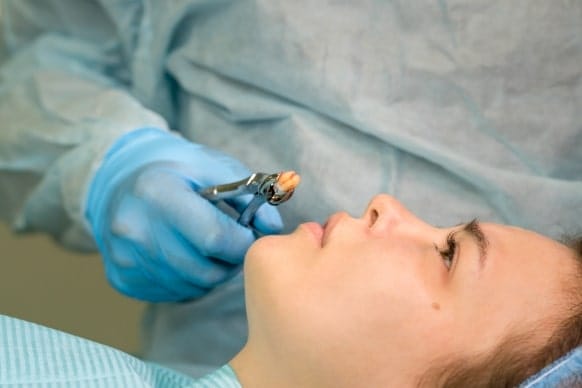
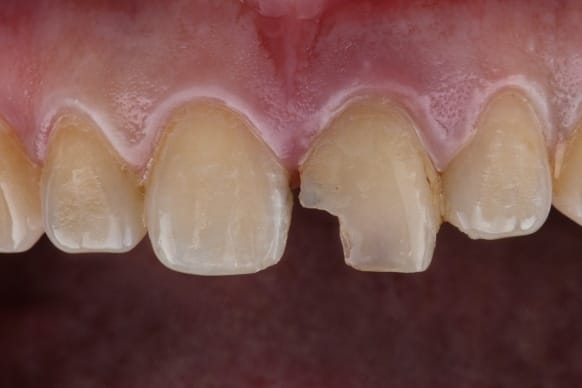
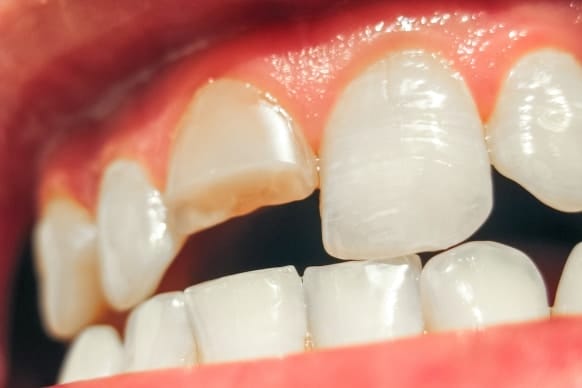
  • A tooth is knocked out due to injury — this requires immediate attention

Caring for New Permanent Teeth

Once permanent teeth come in, they’re the only teeth your child will ever have. Help protect them by:

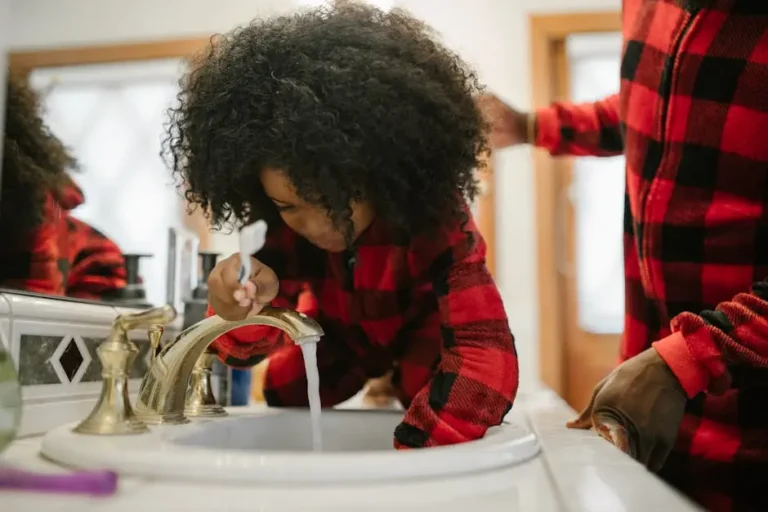
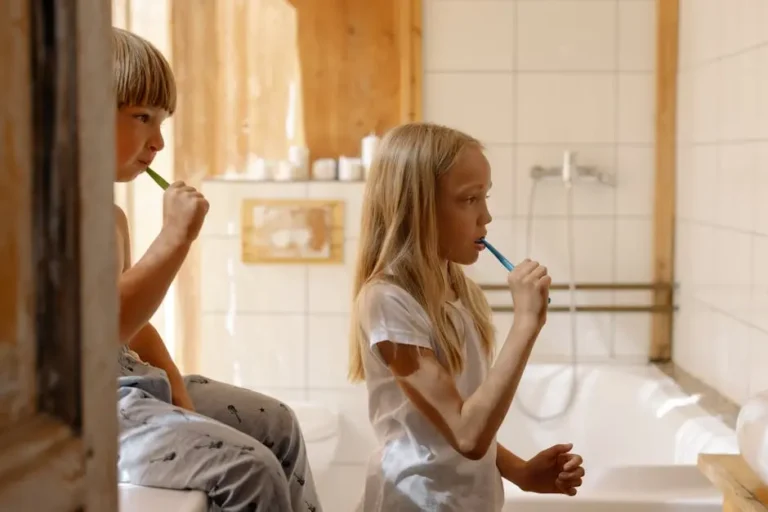
  • Continuing twice-daily brushing with fluoride toothpaste
  • Starting regular flossing between teeth that touch
  • Getting dental sealants on new molars (around ages 6 and 12)
  • Wearing a mouthguard during sports
  • Scheduling regular dental cleanings every 6 months

Related Services at Smile Avenue

Frequently Asked Questions

Share:

Care at Smile Avenue isn't just gentle, it's genuine.